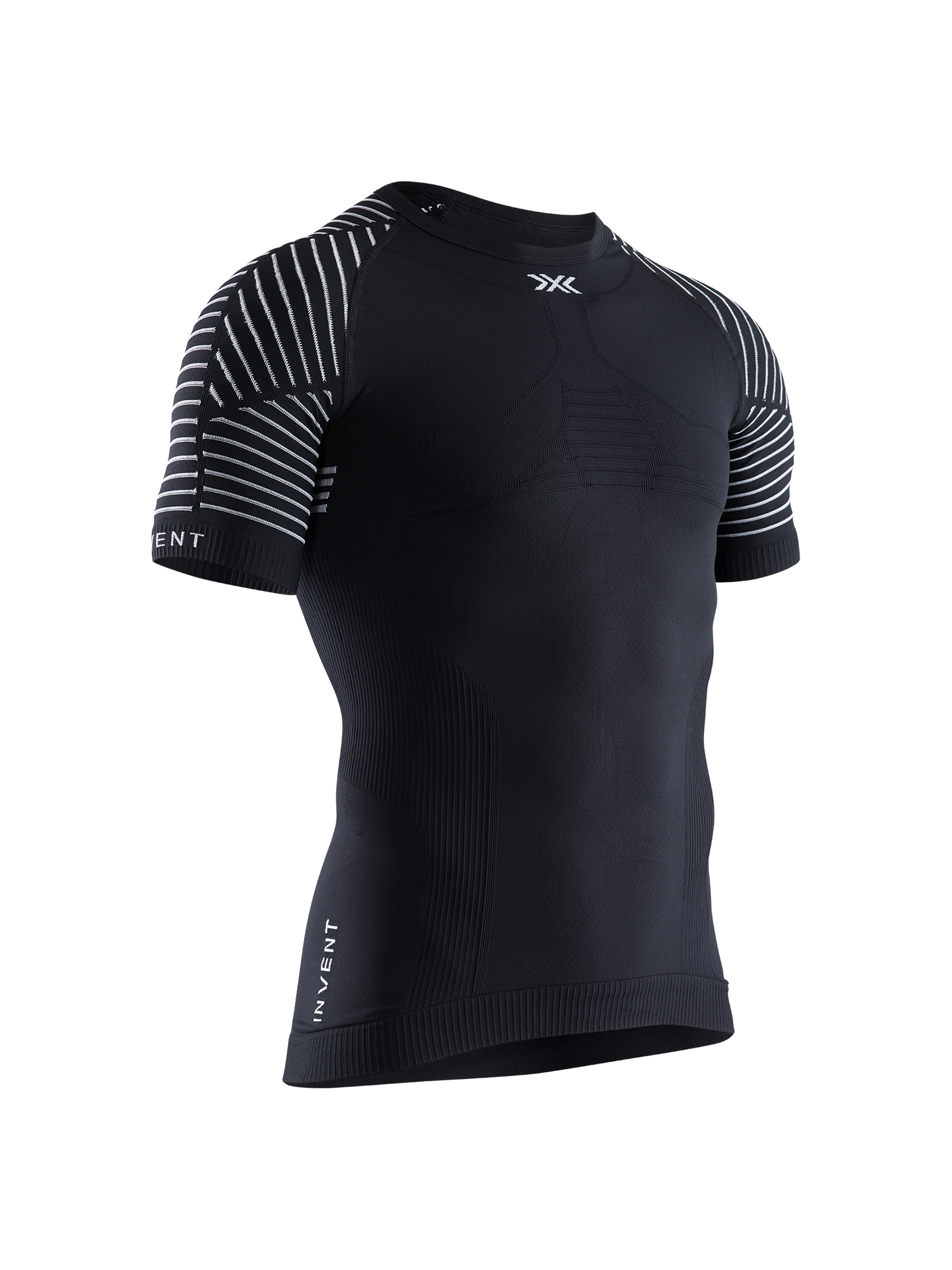
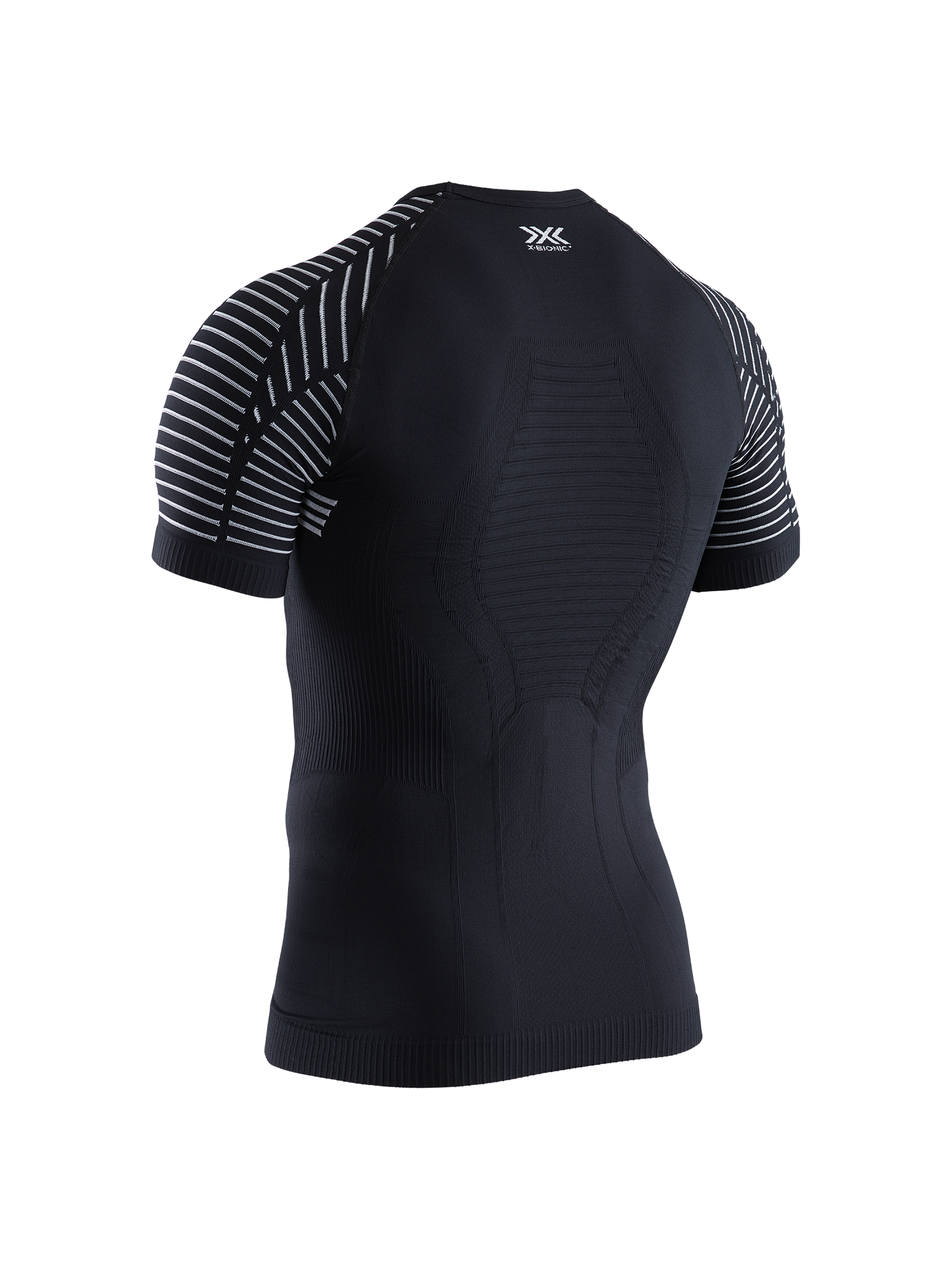
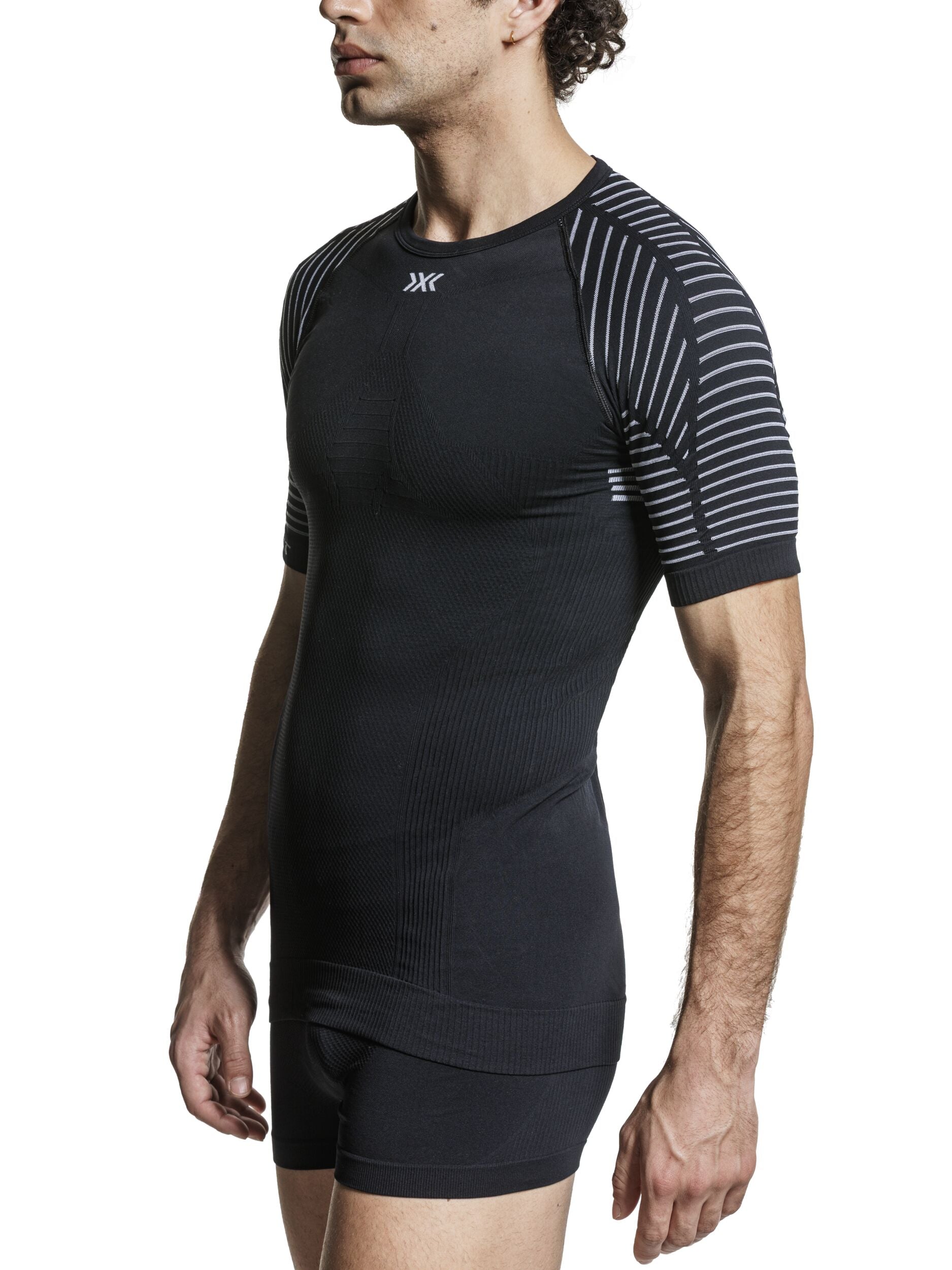
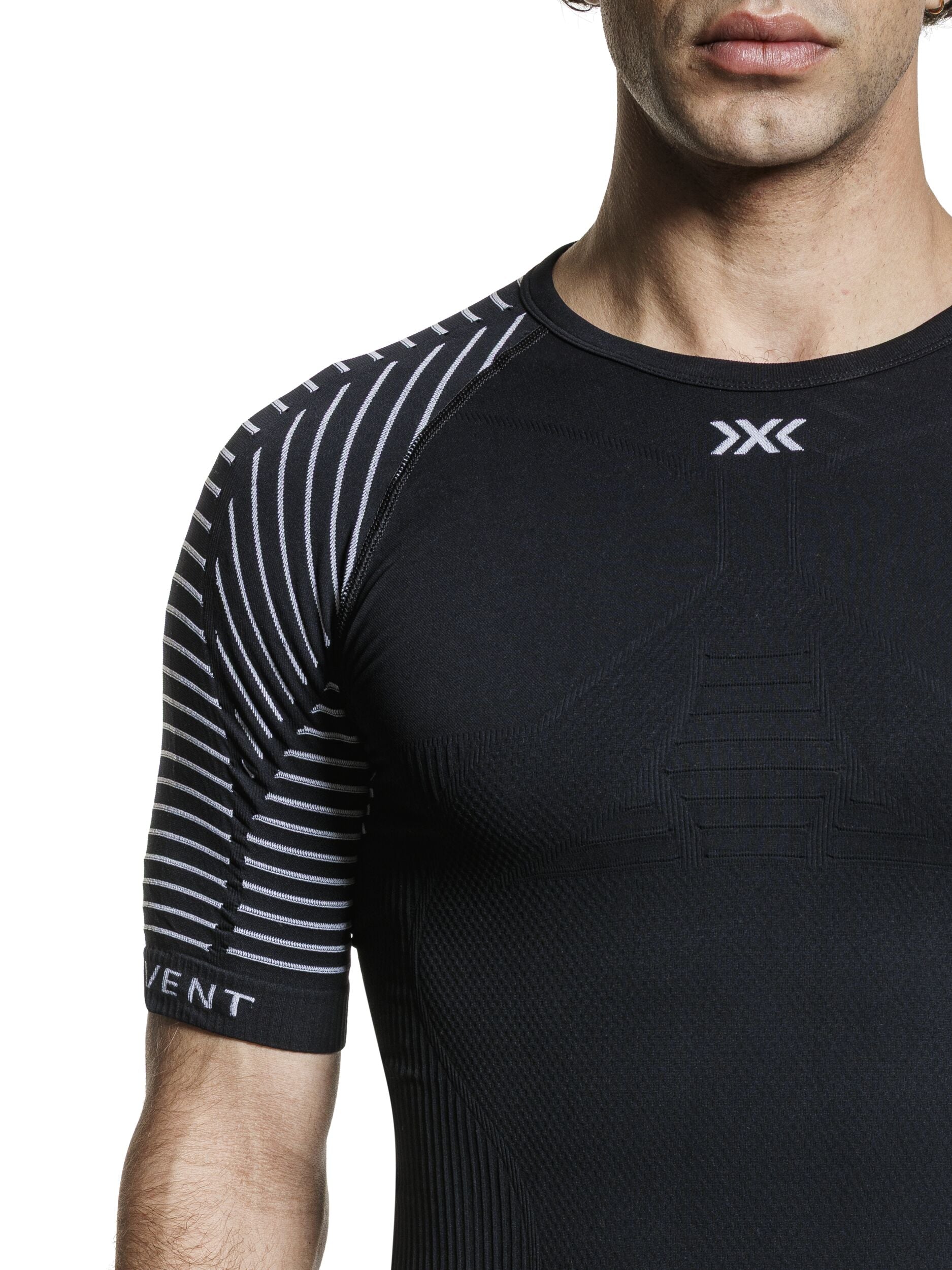
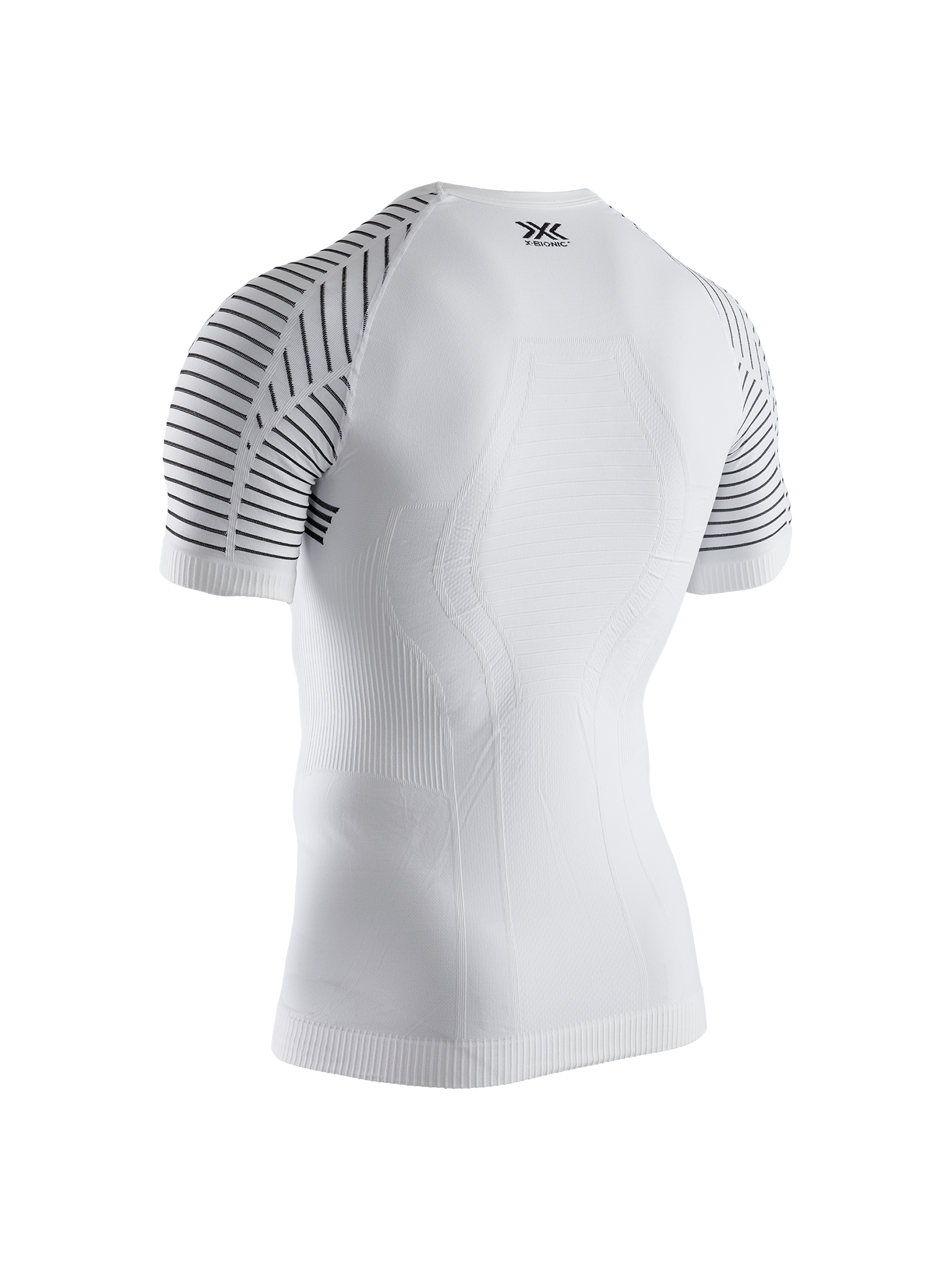
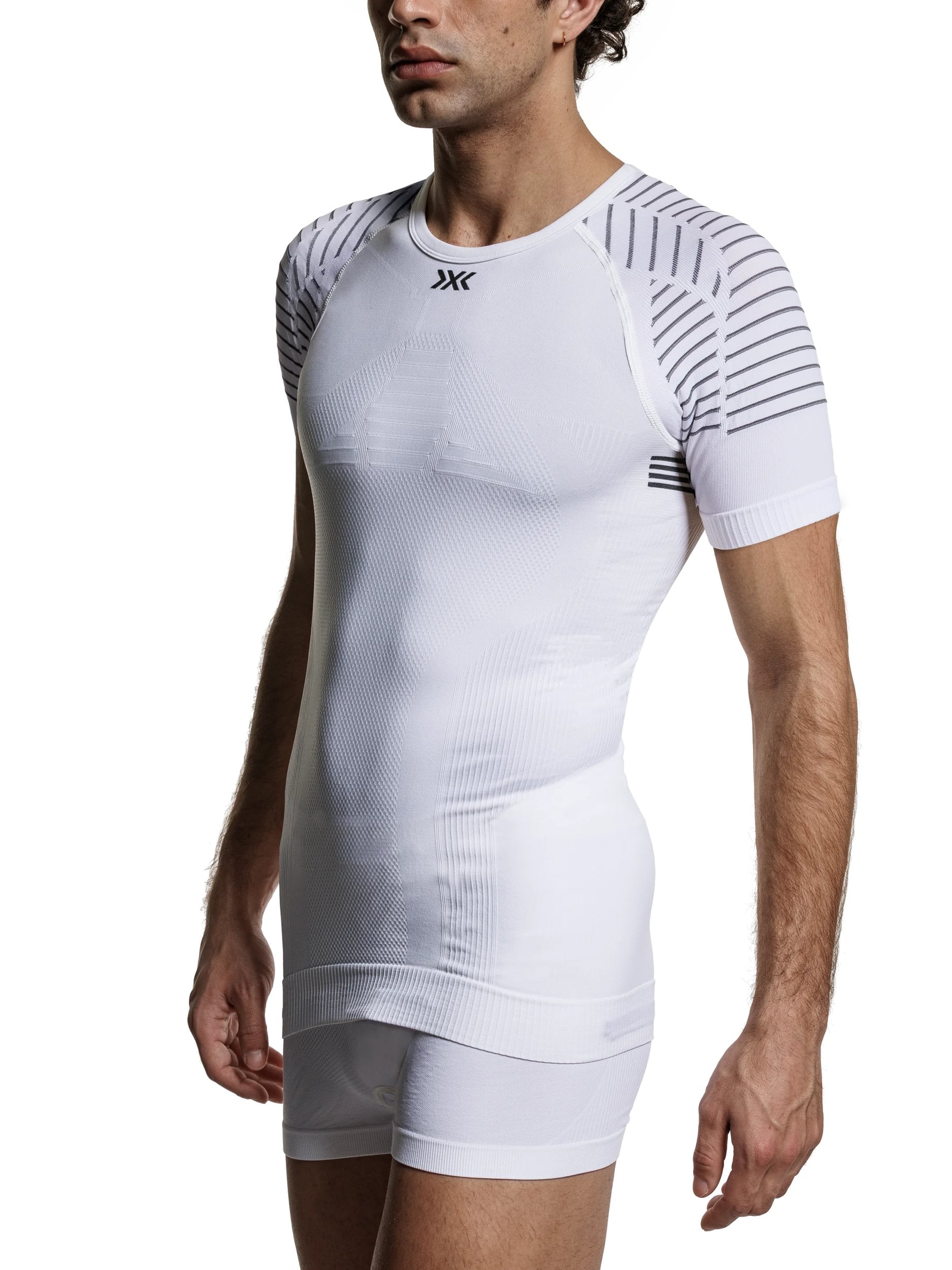
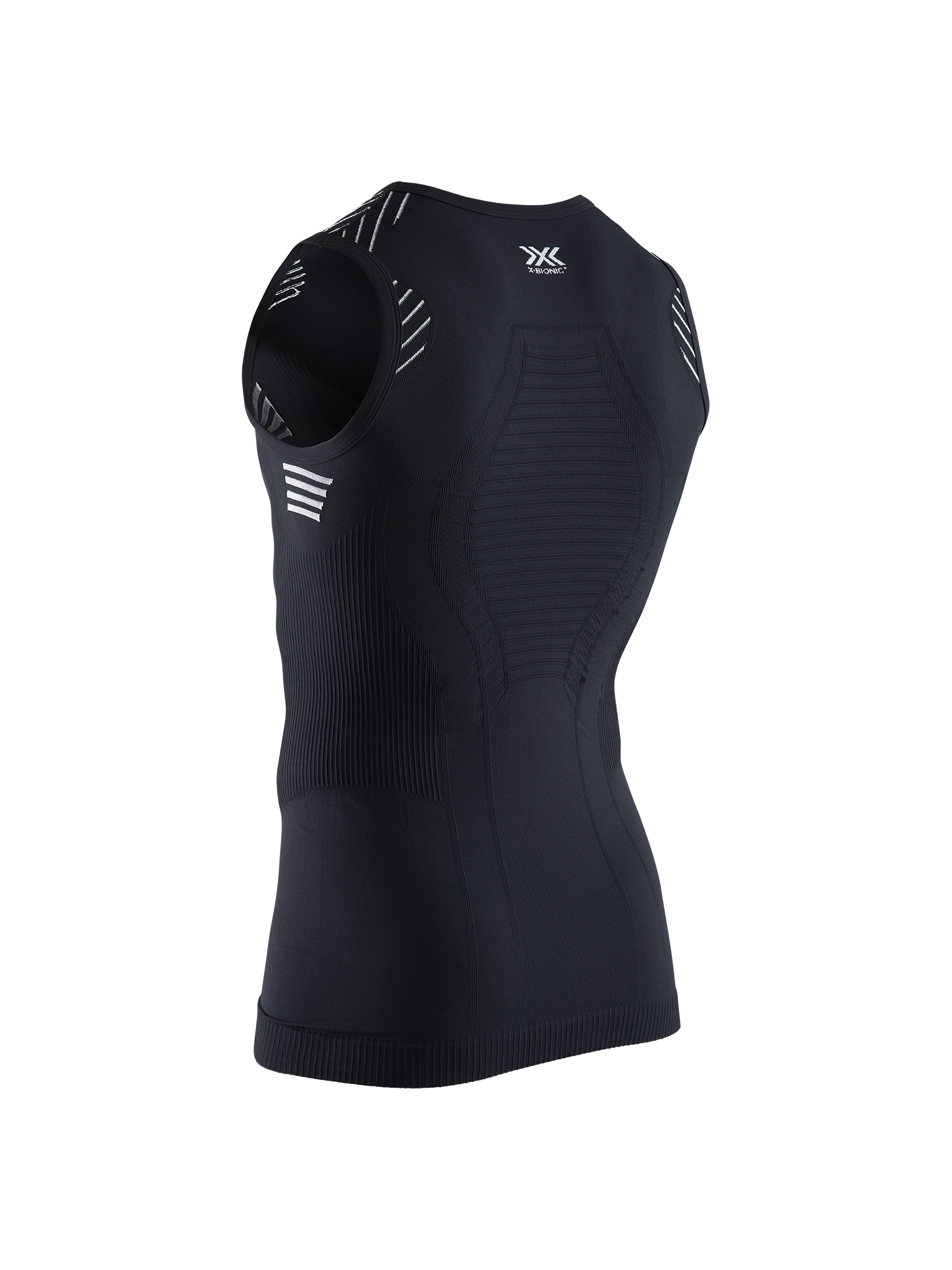
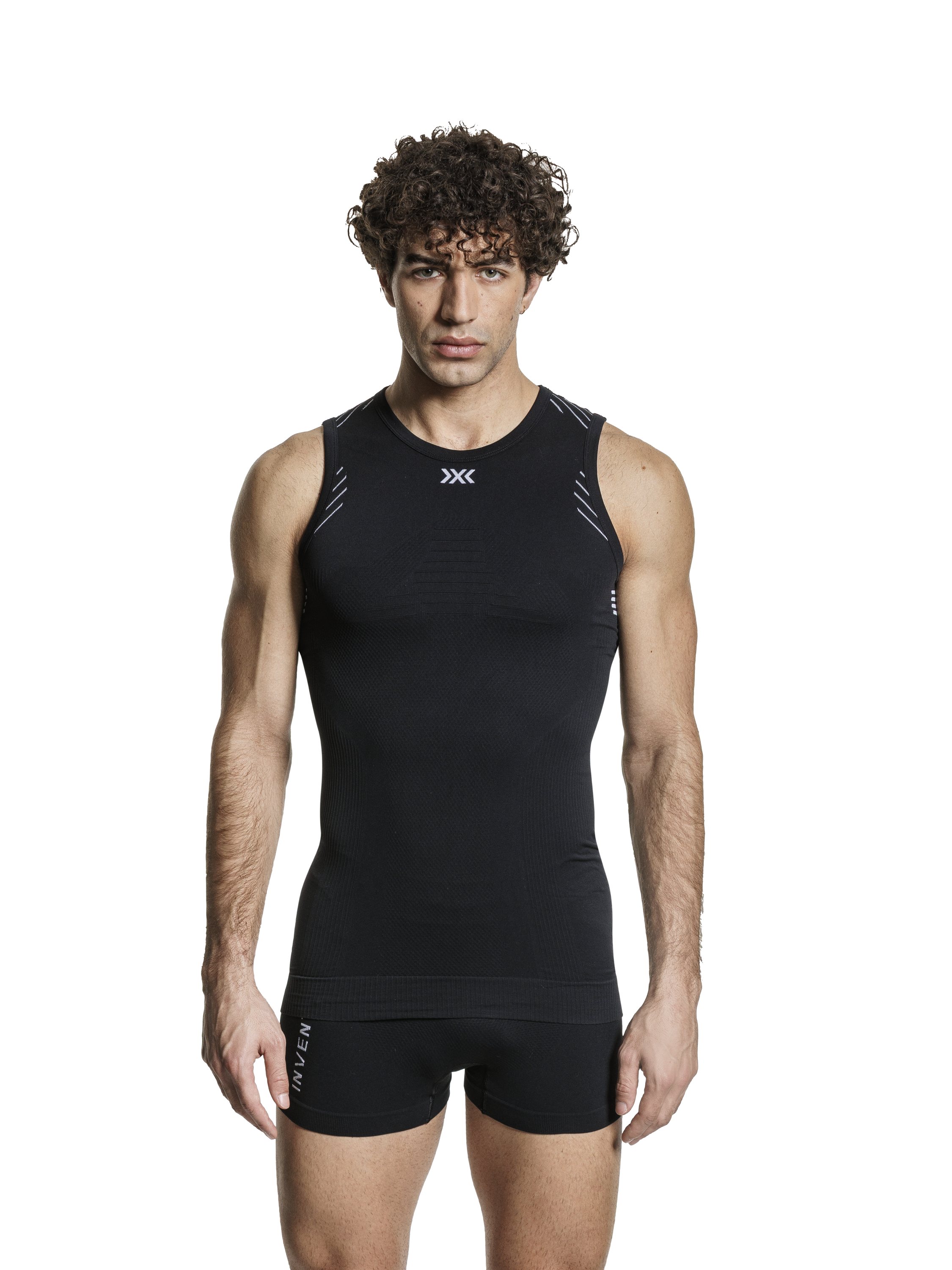
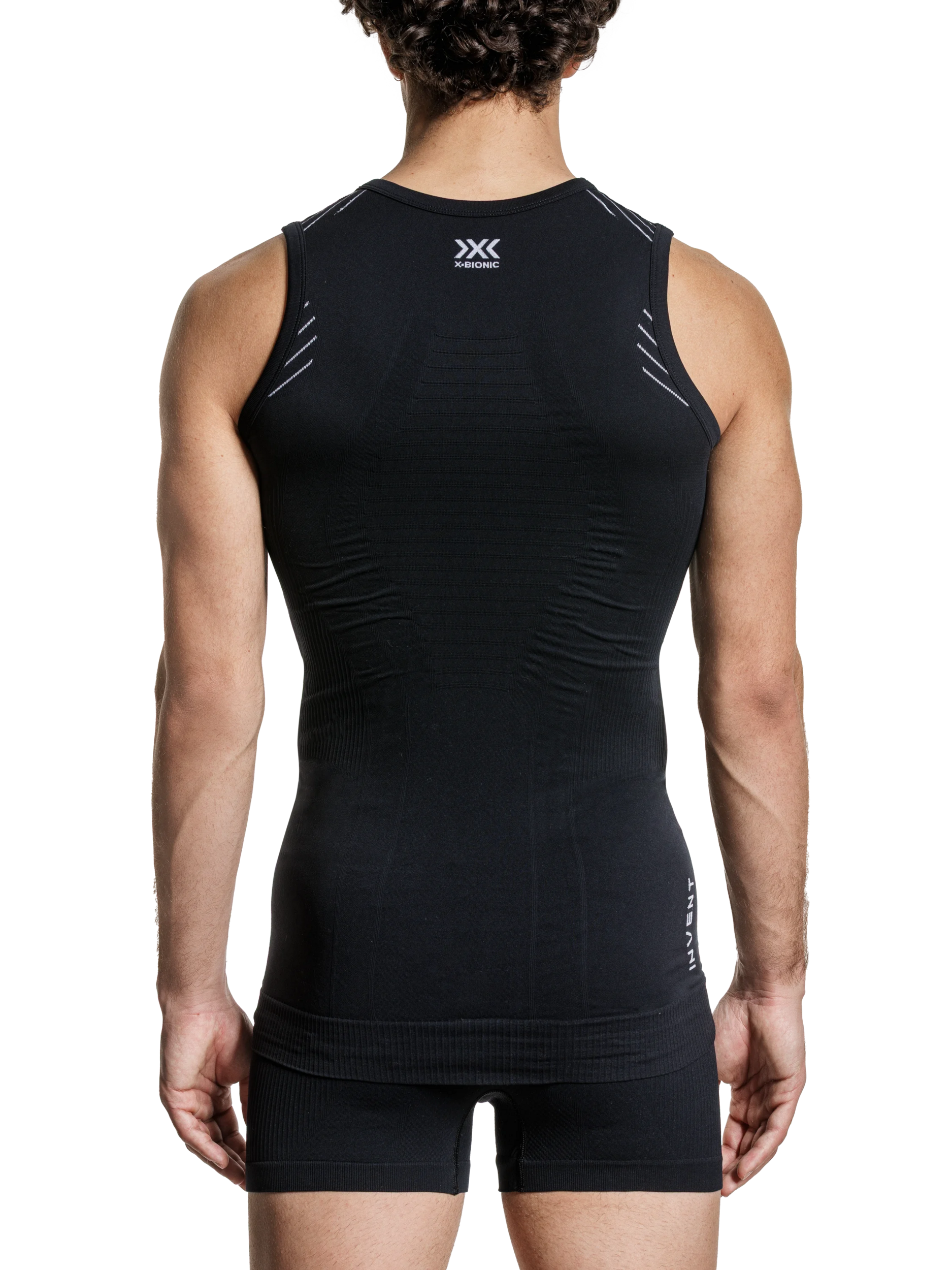
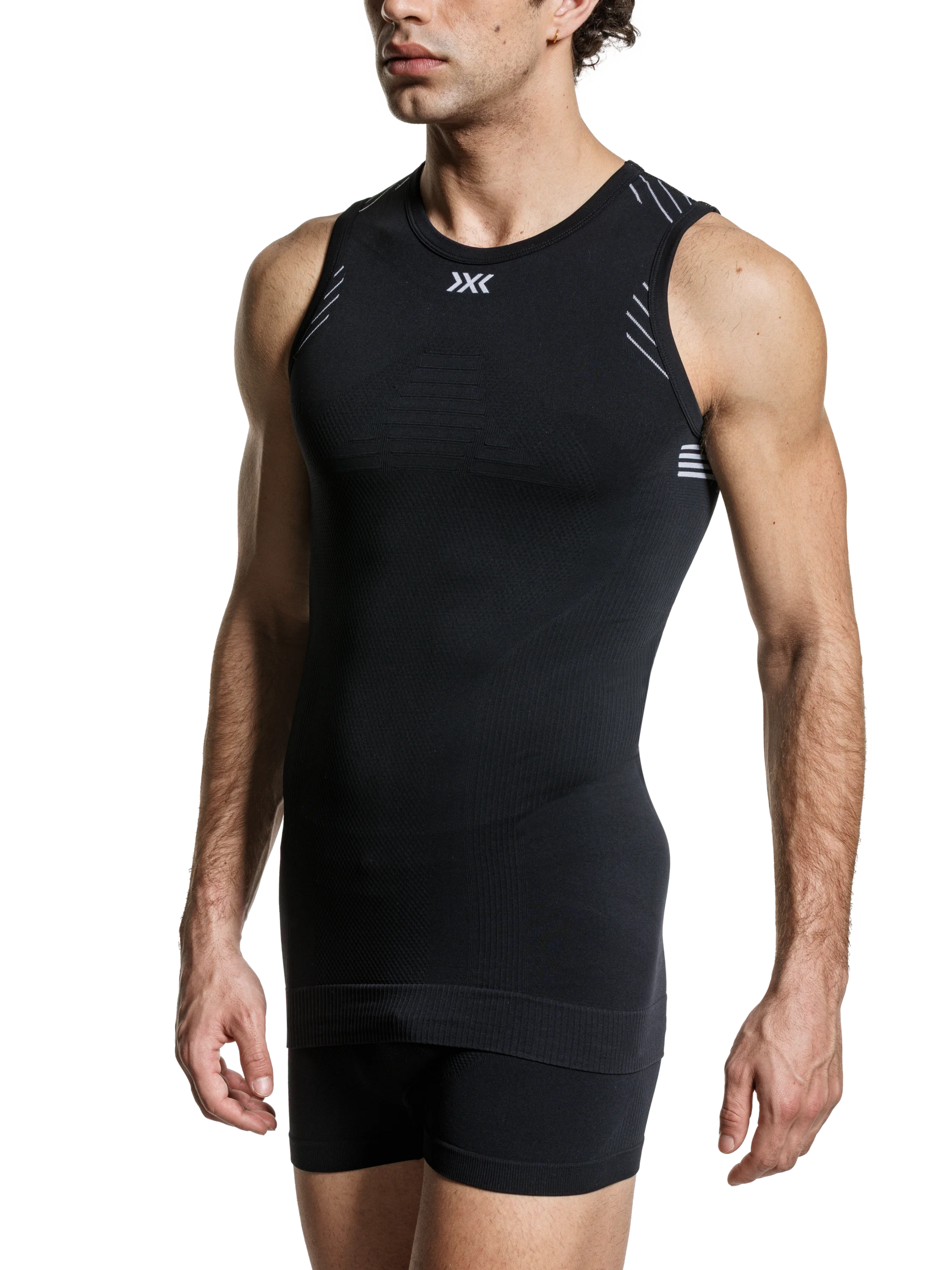
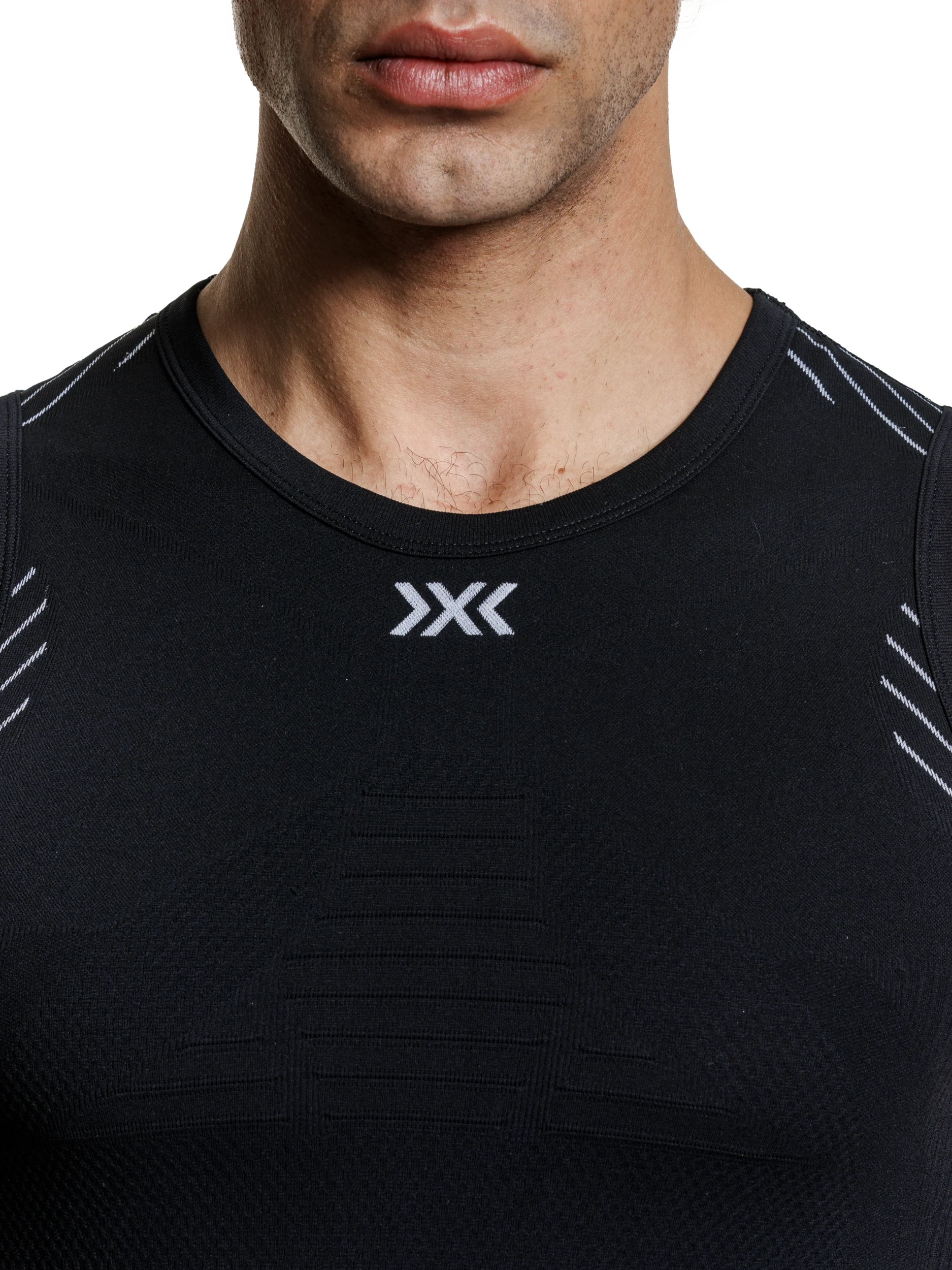
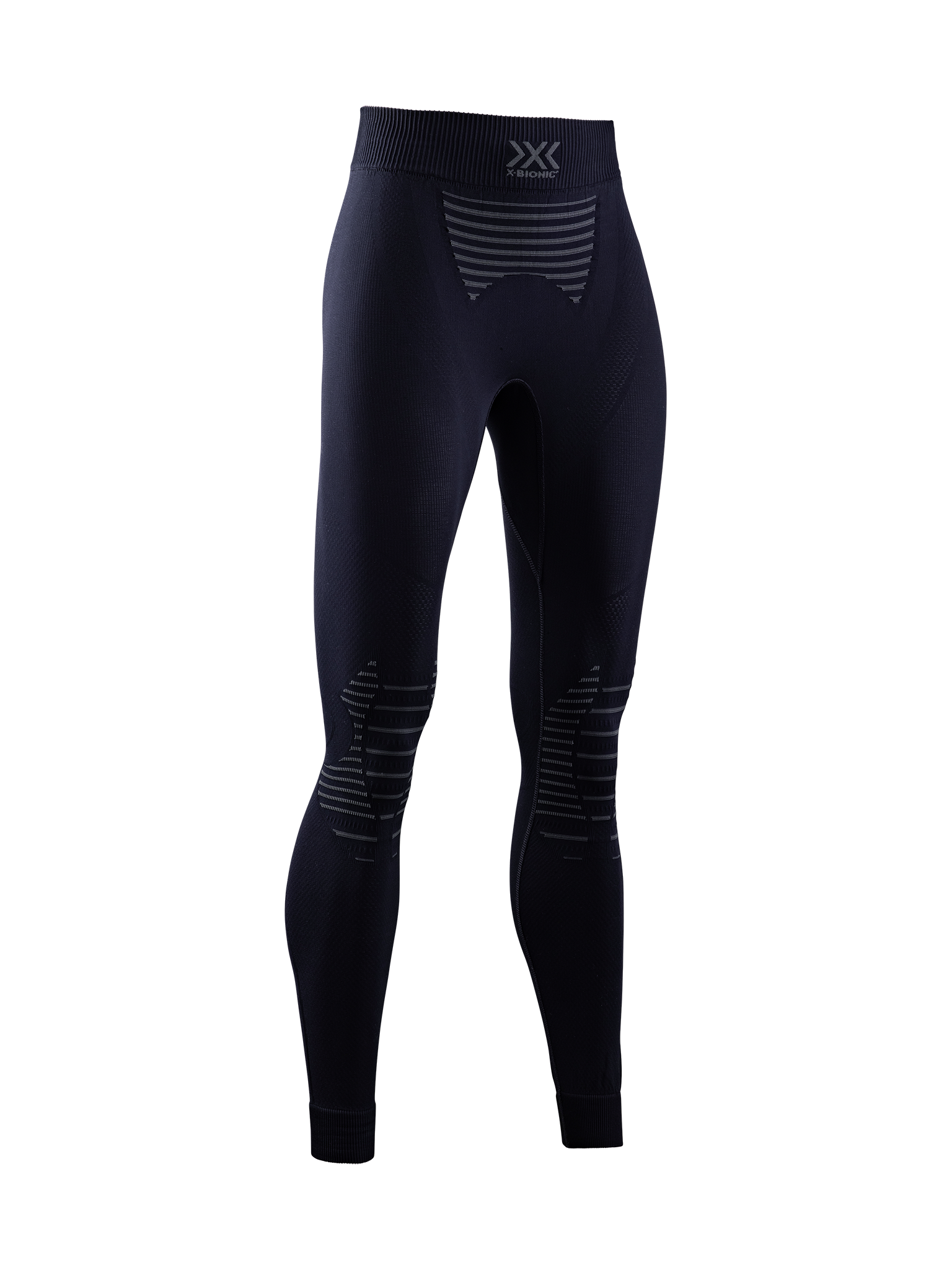
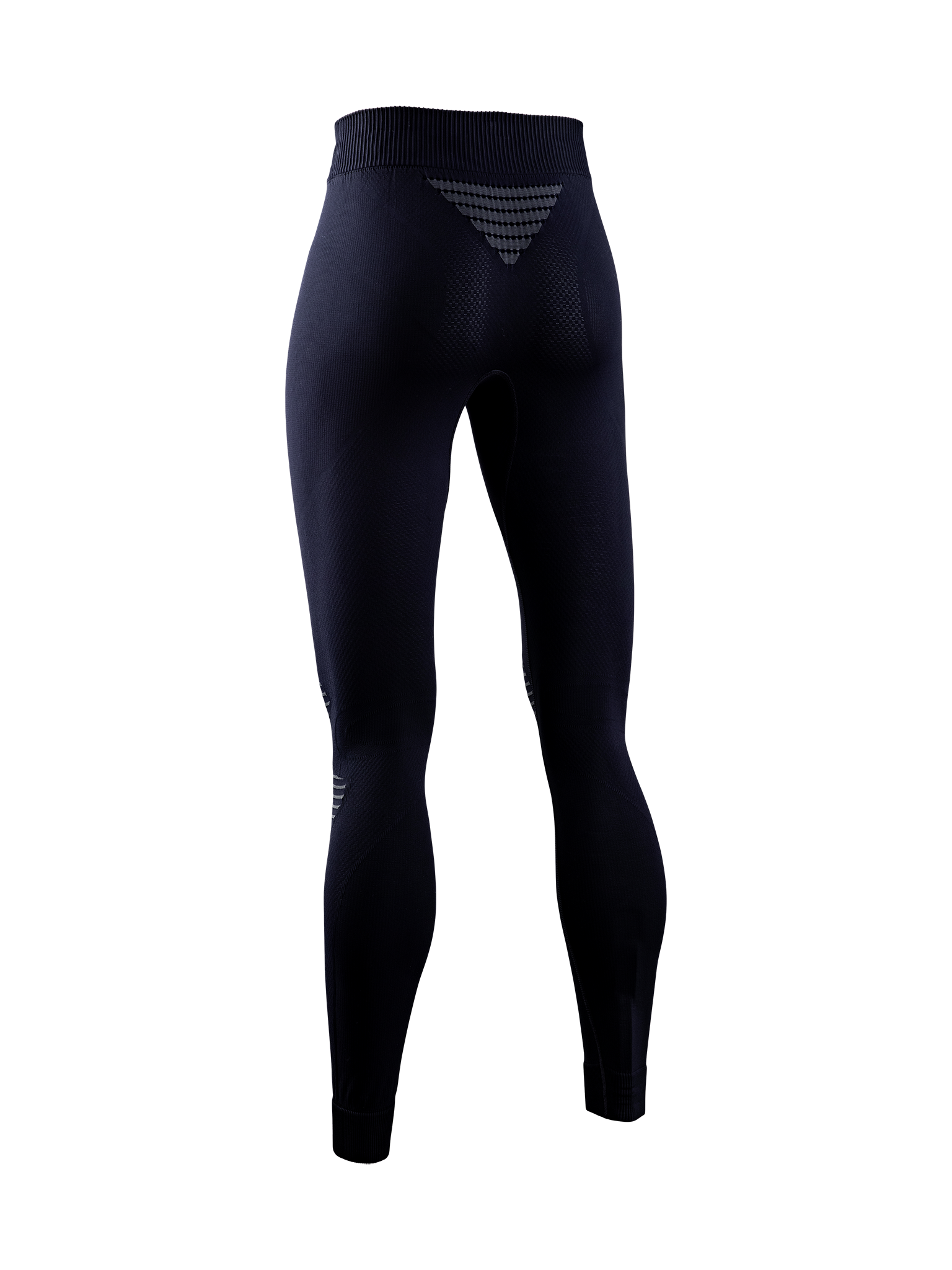
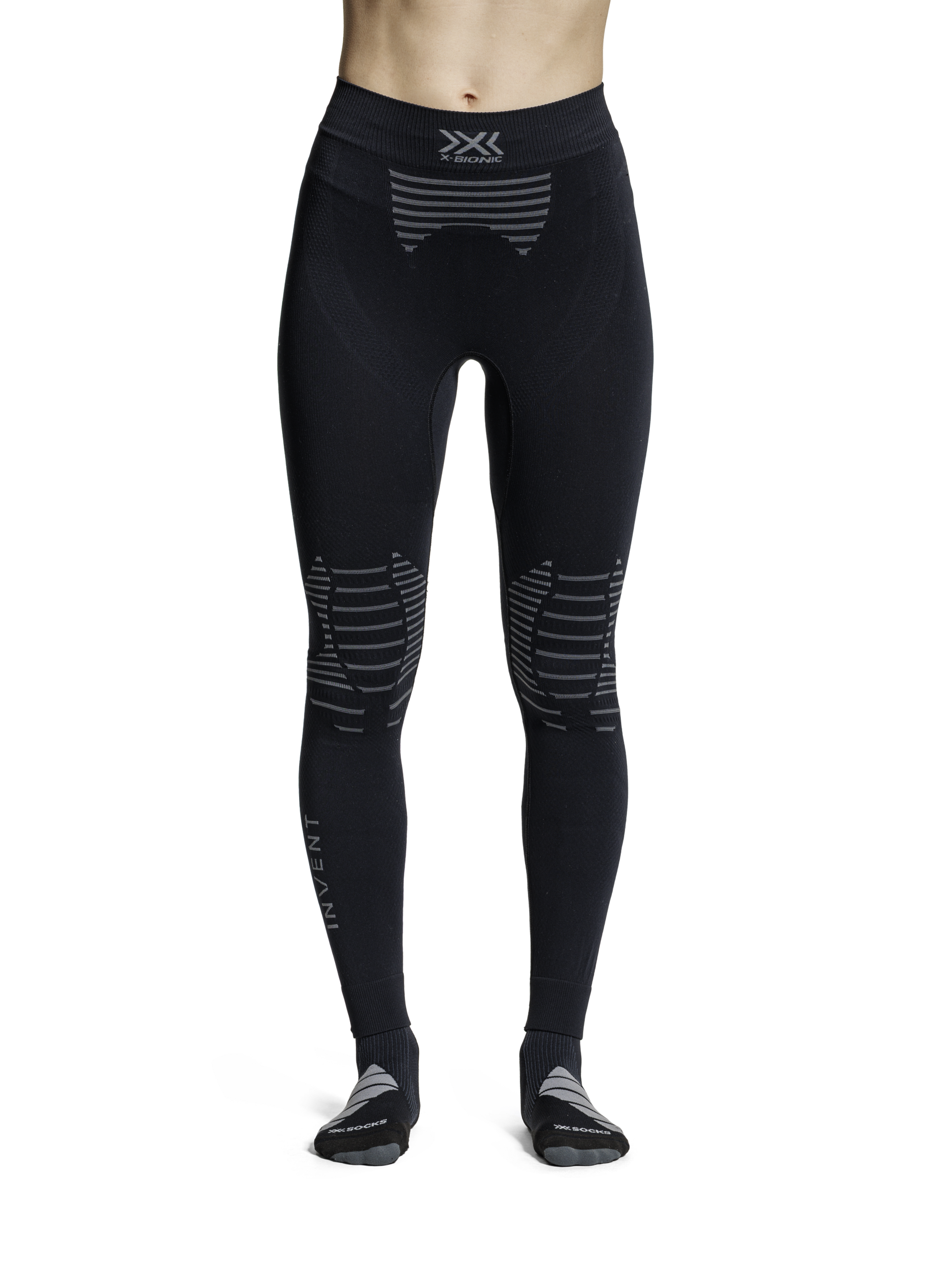
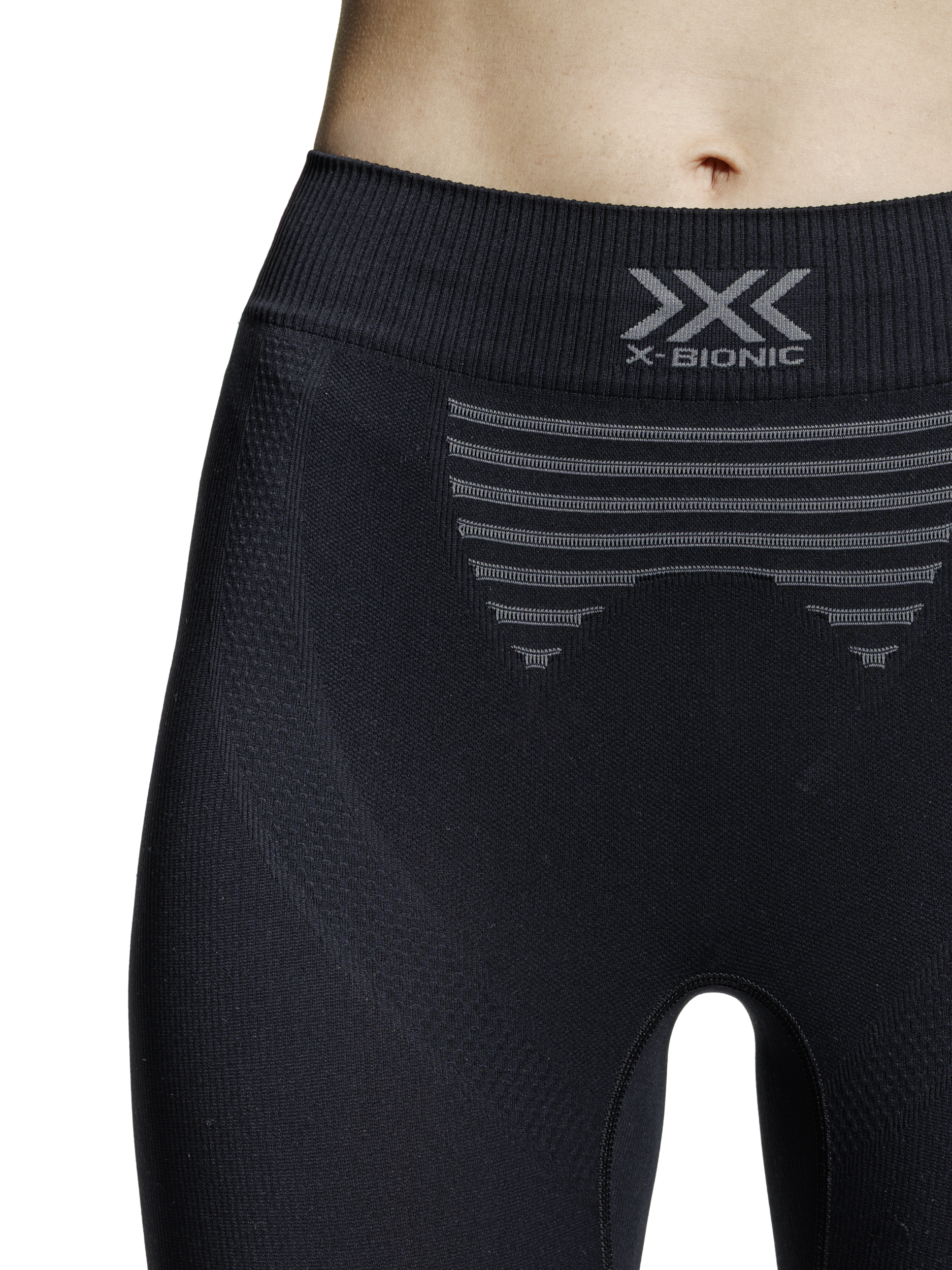
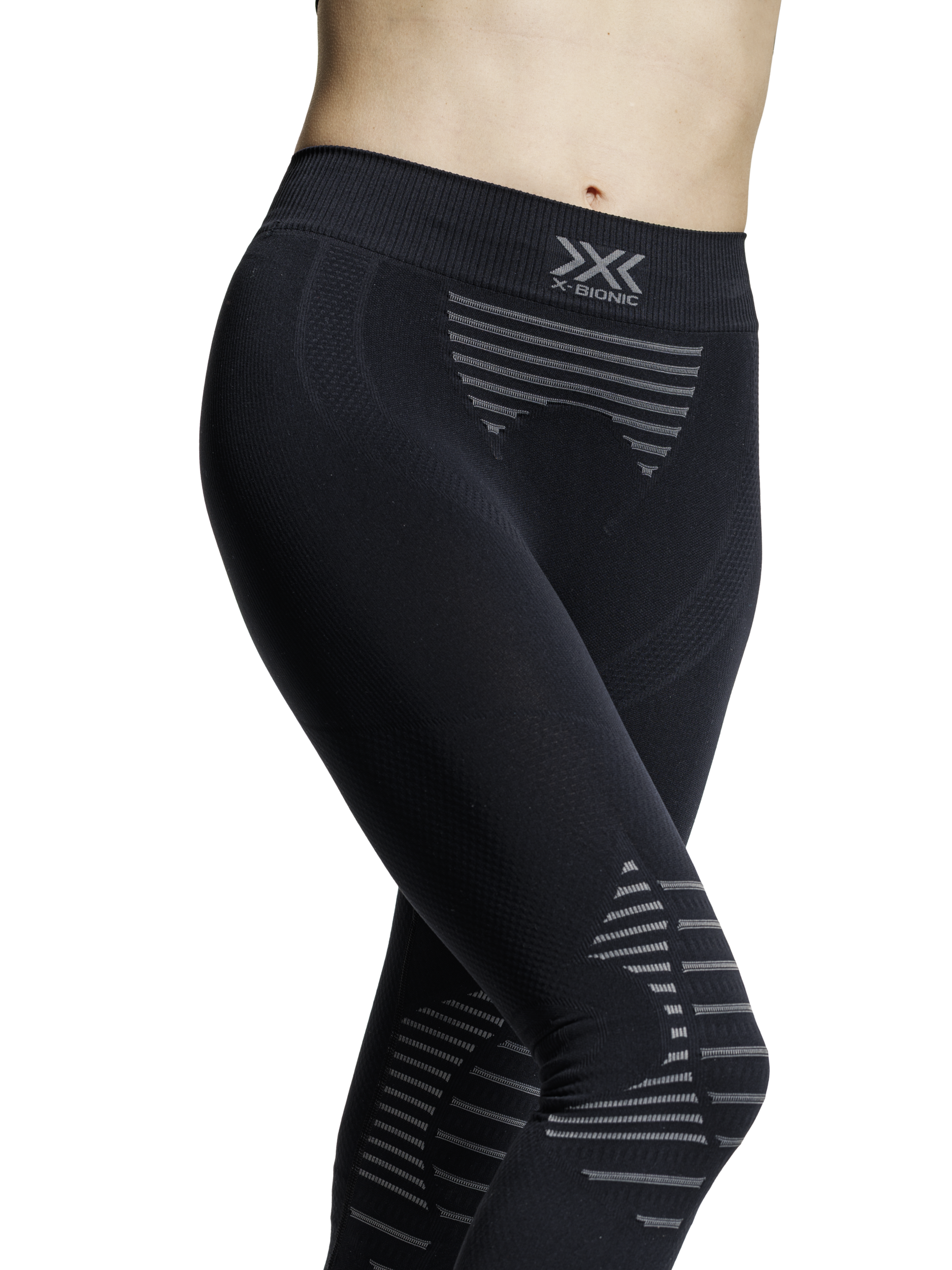
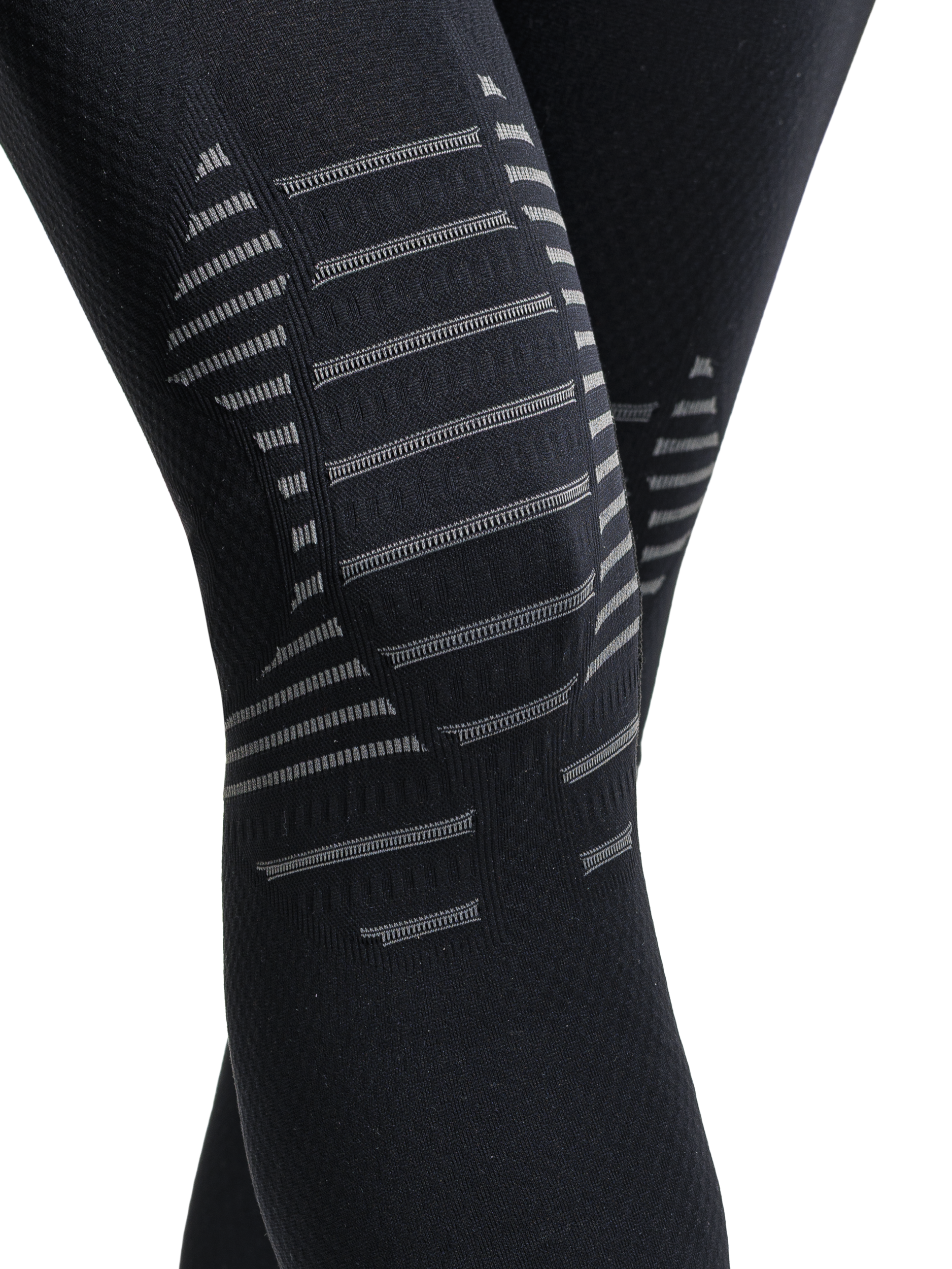
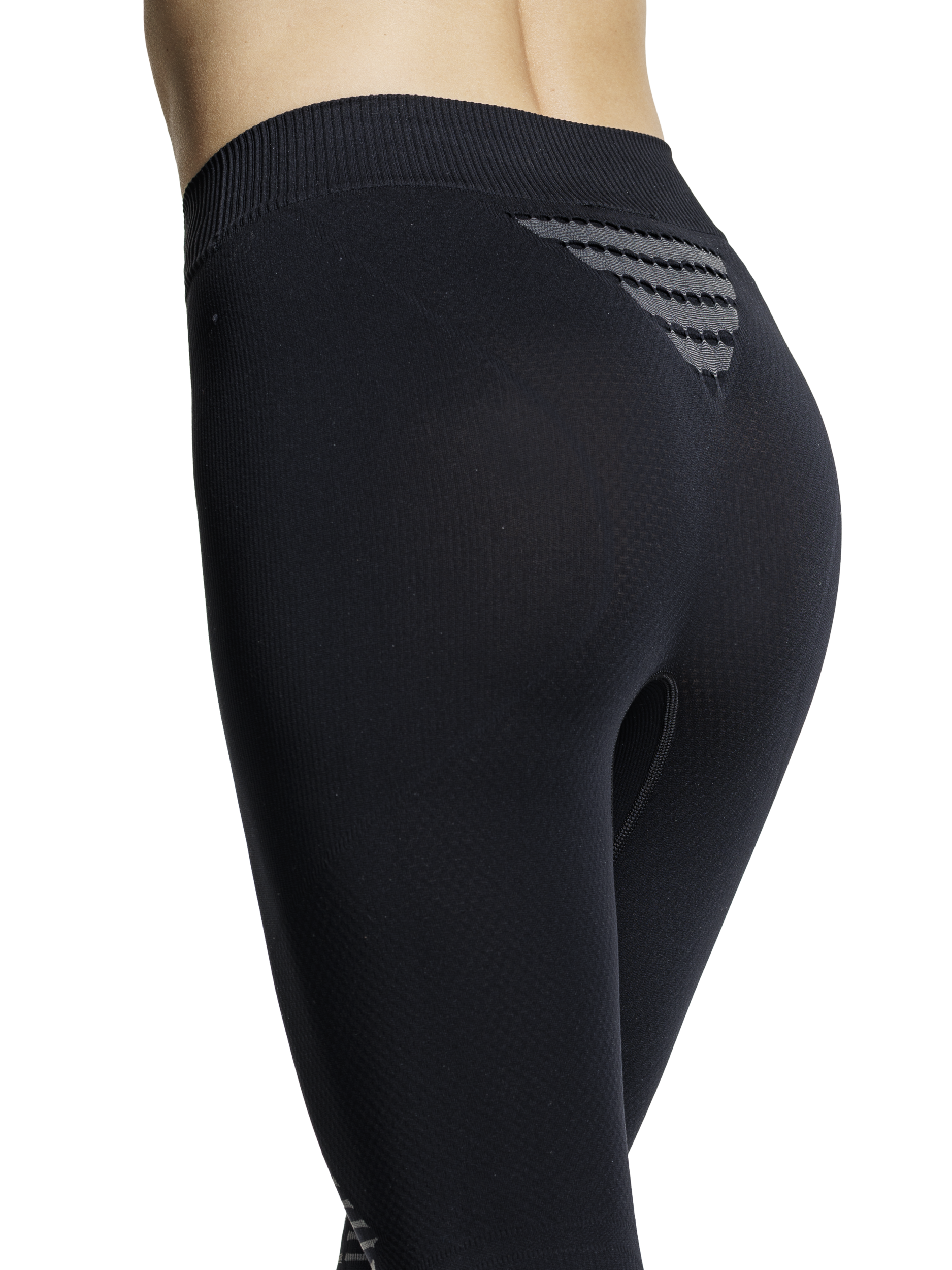
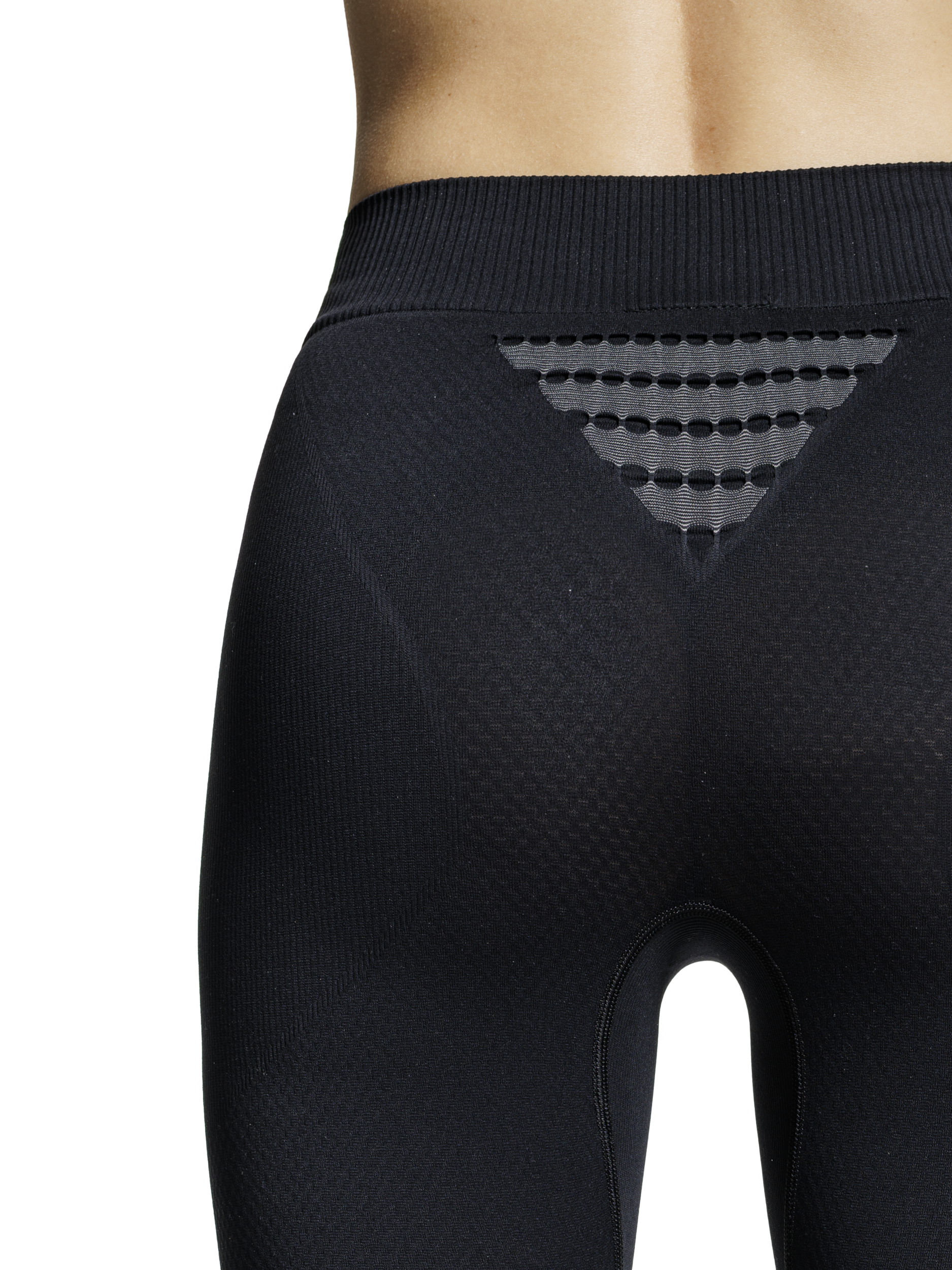
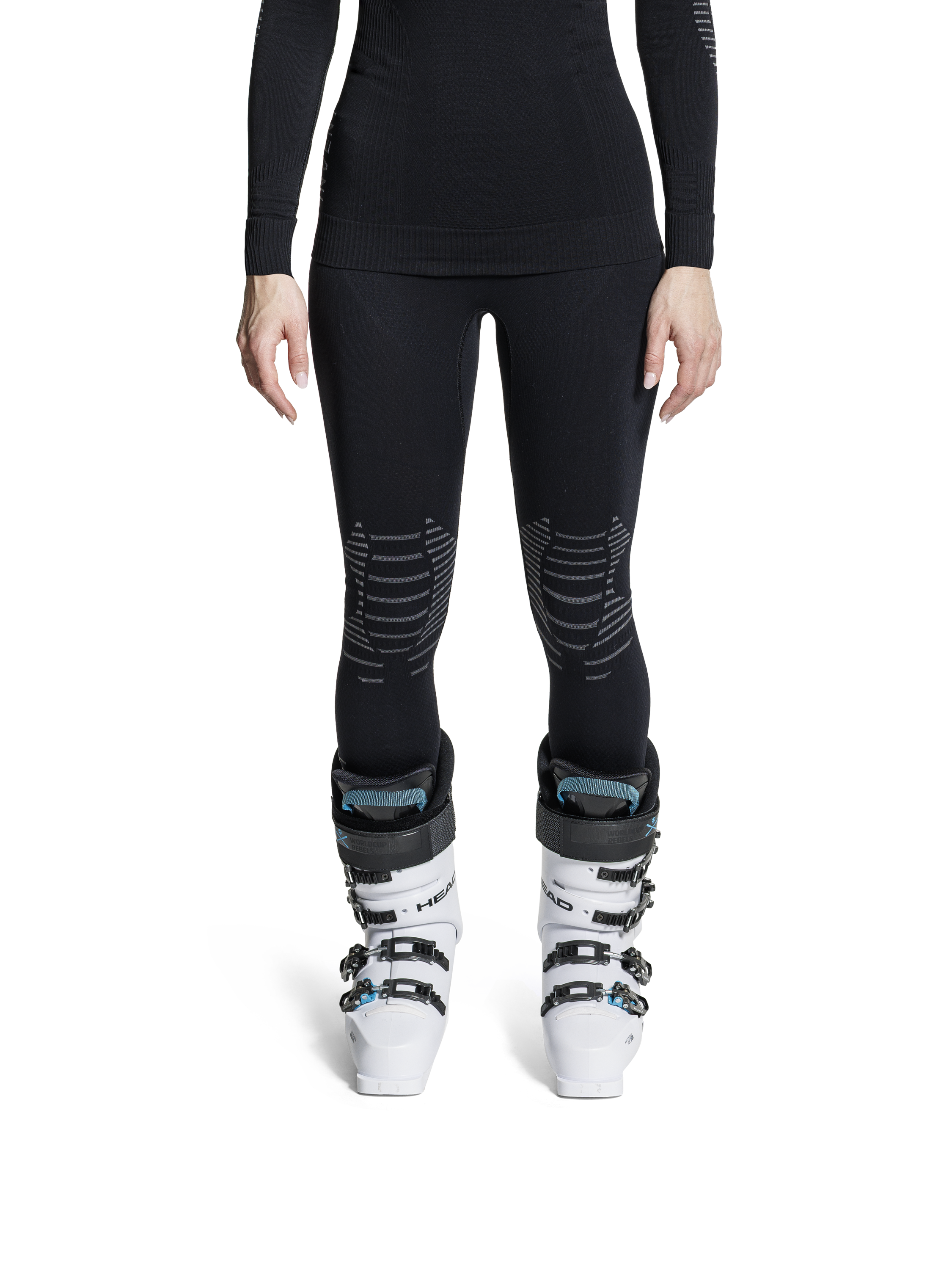
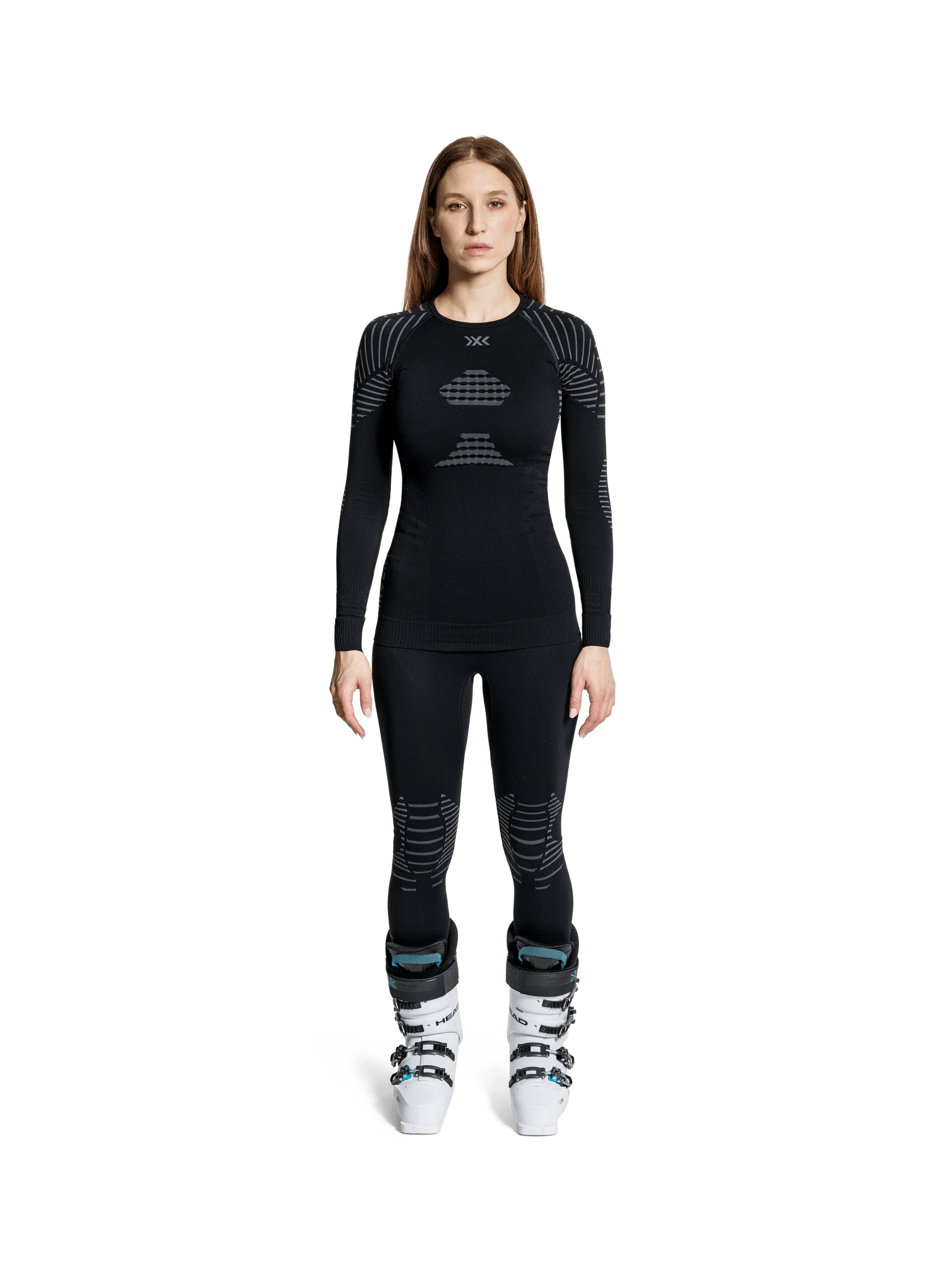
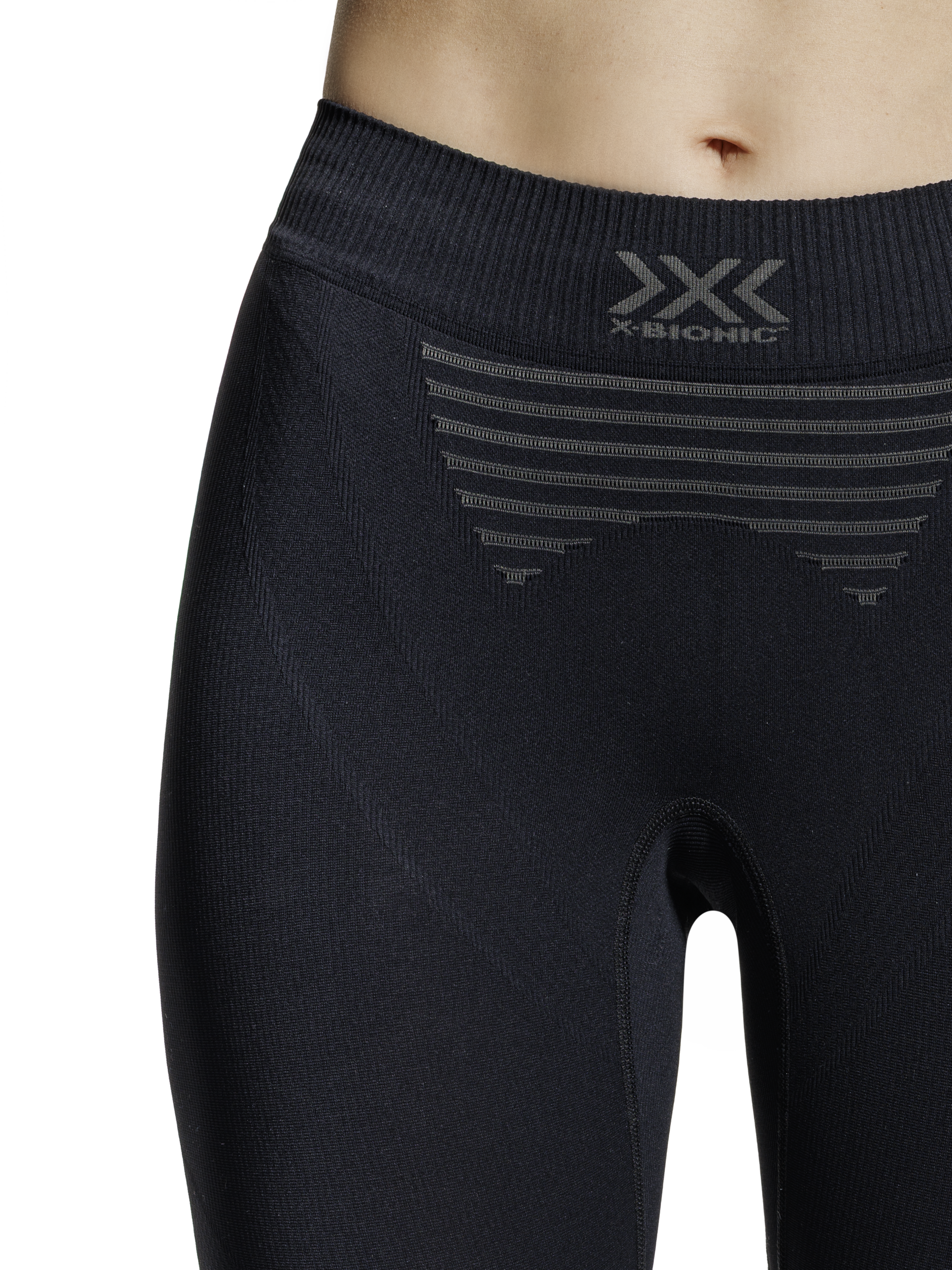
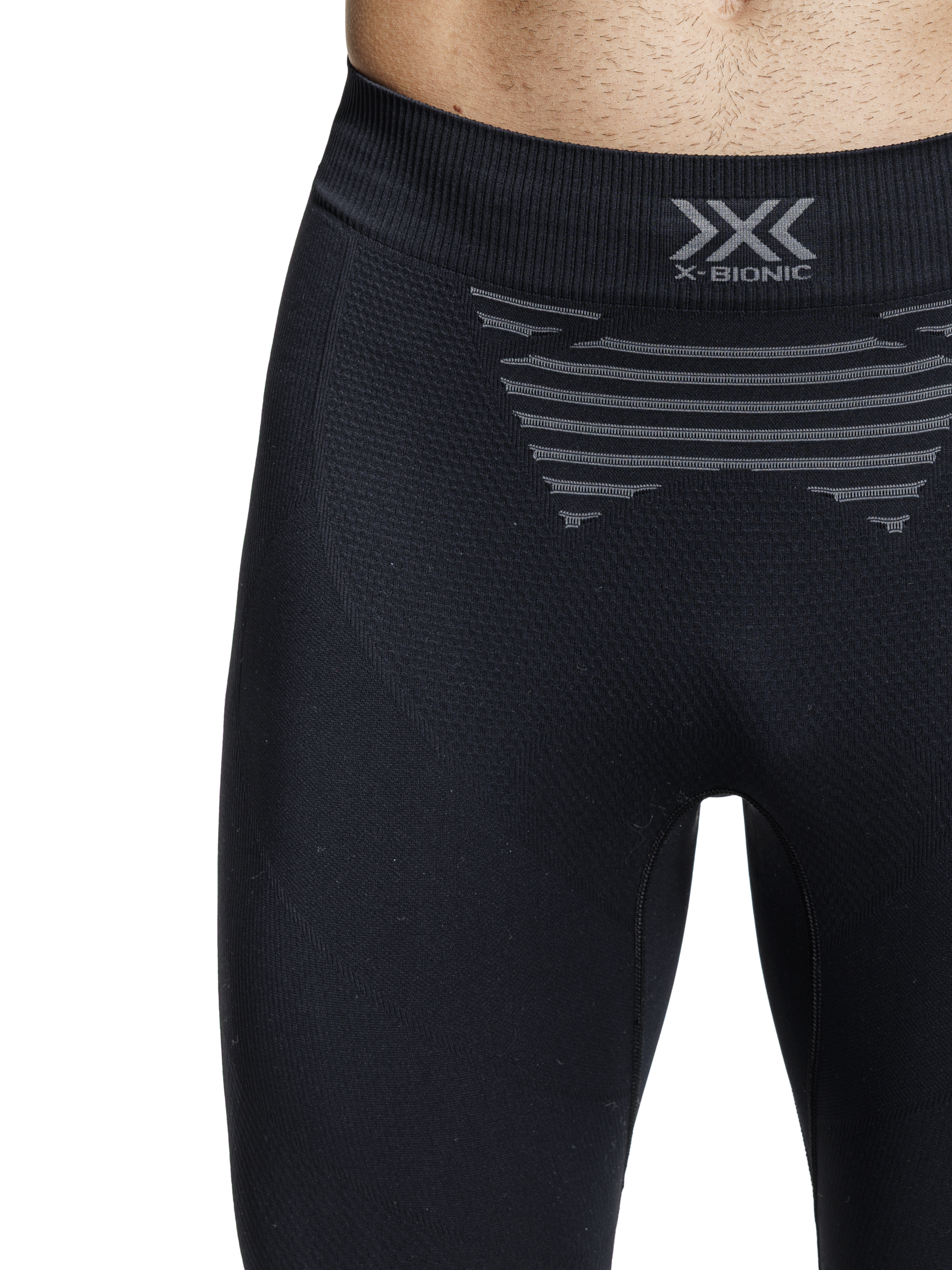
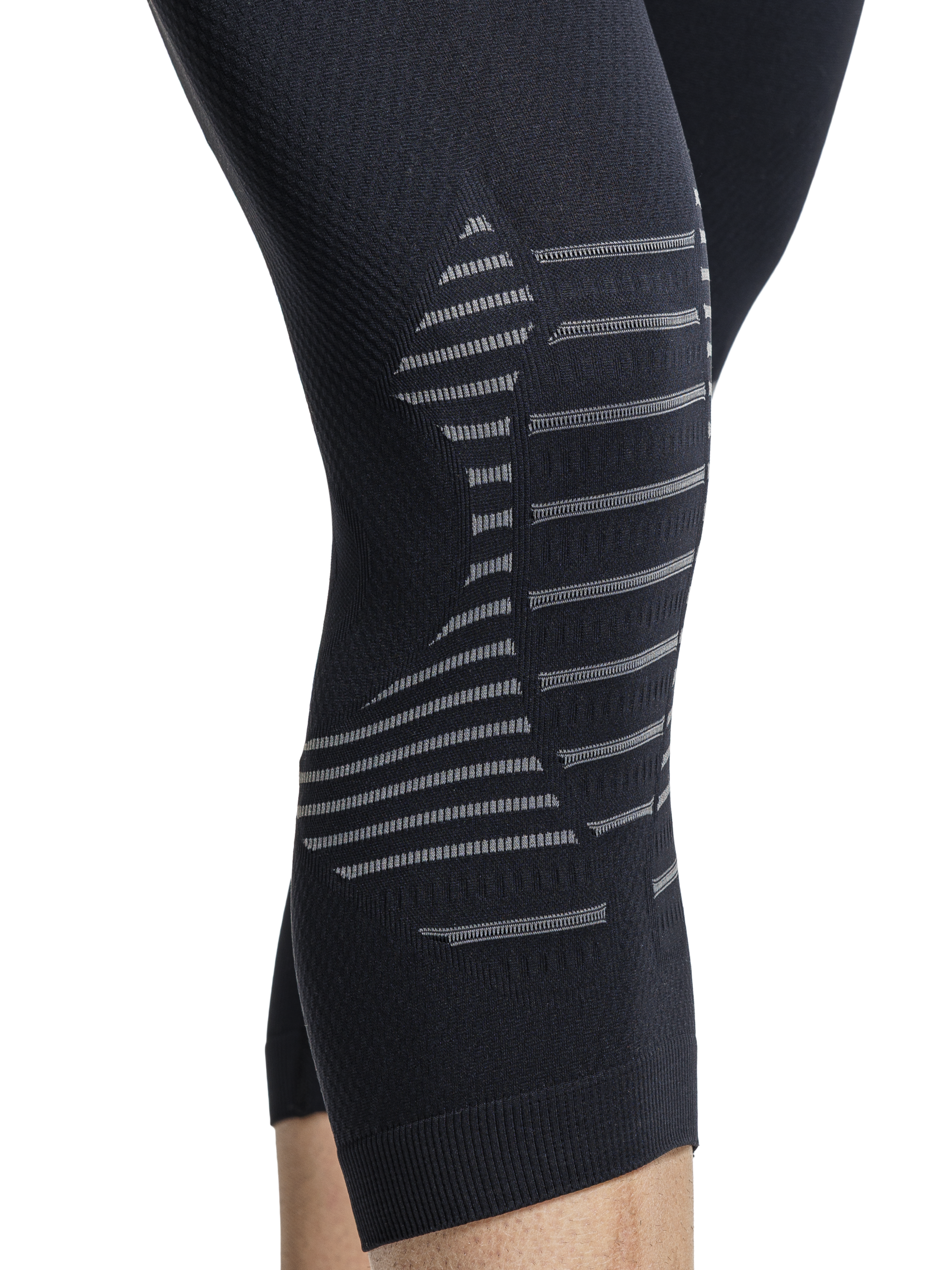
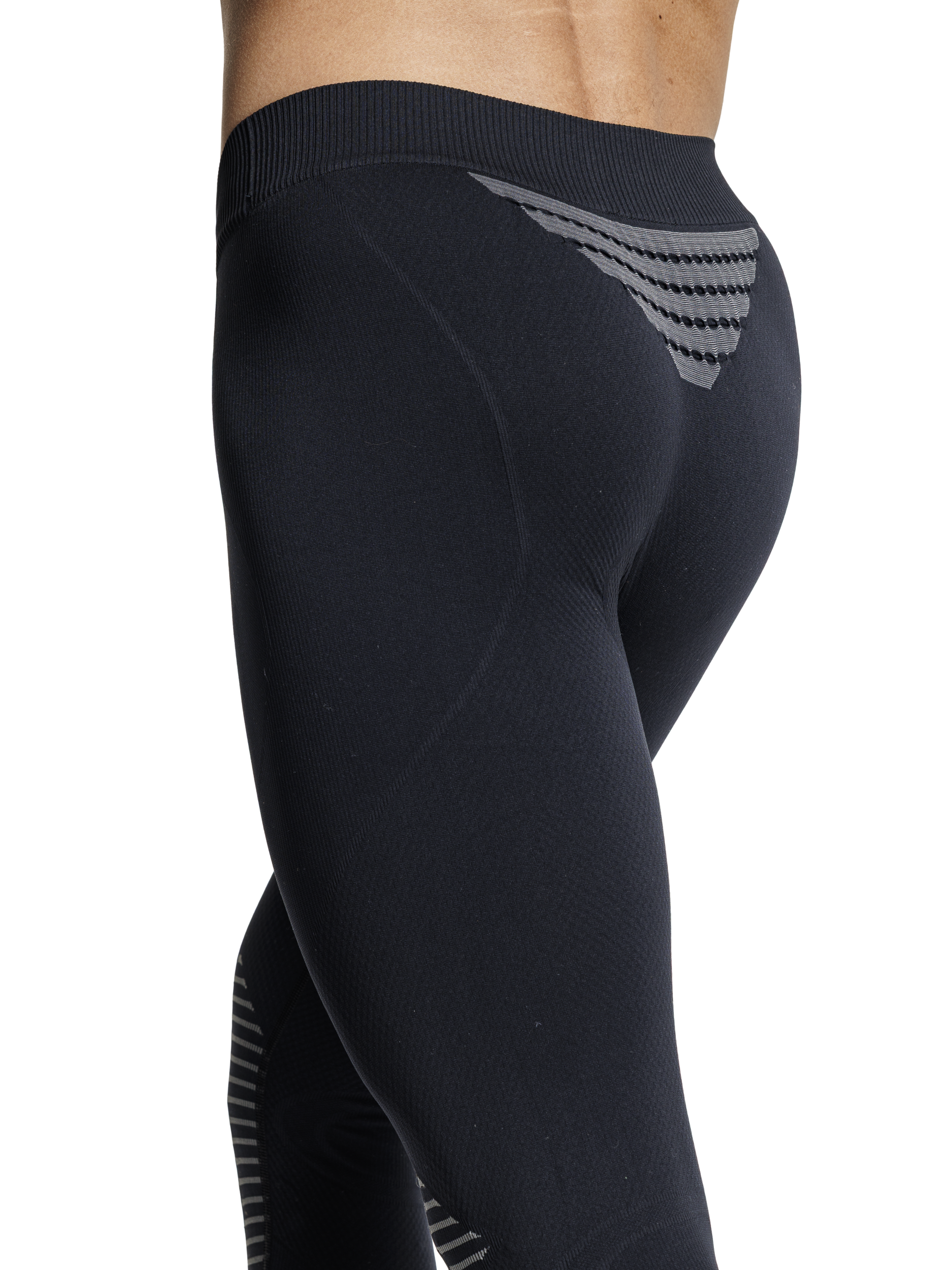
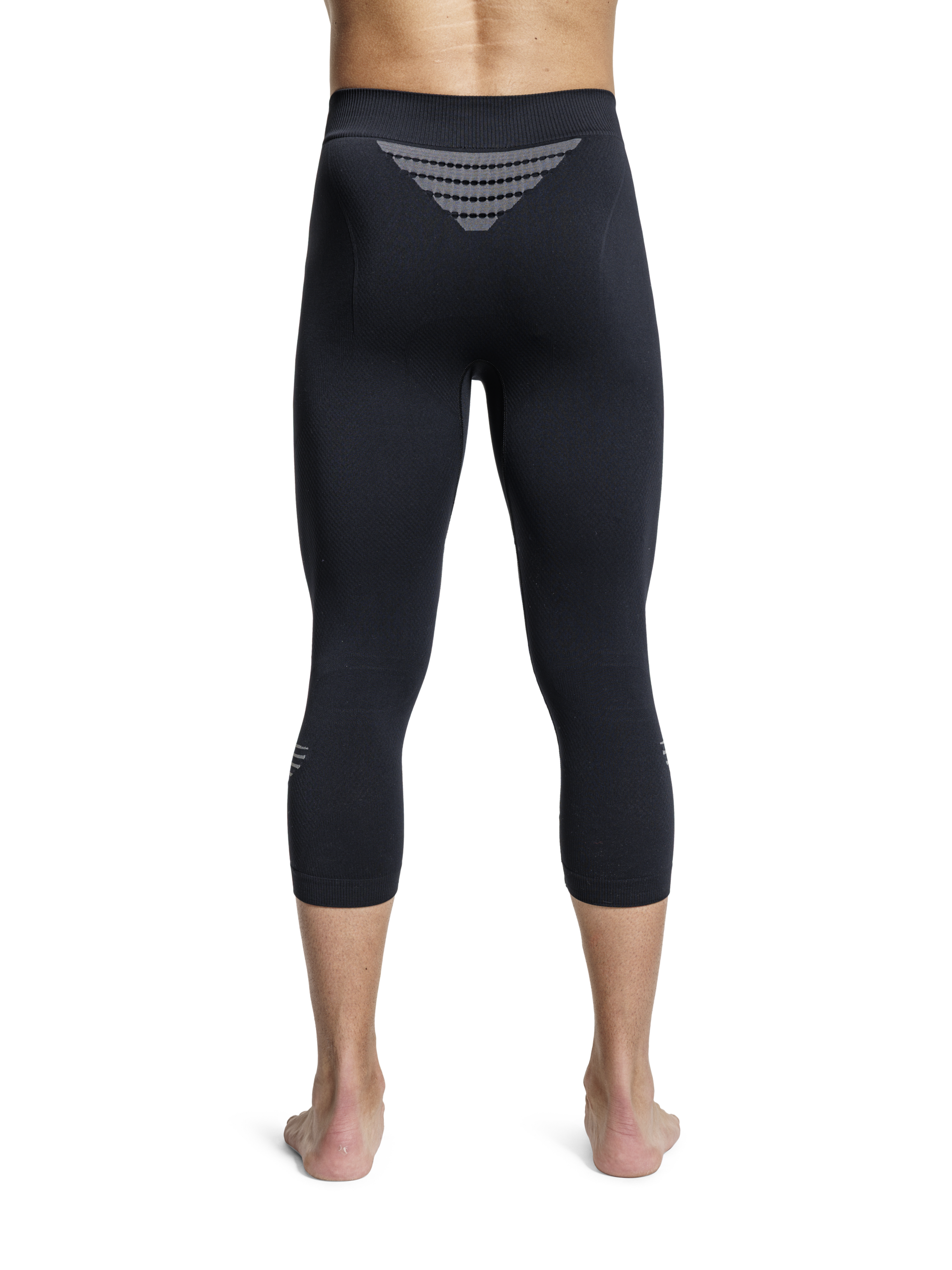
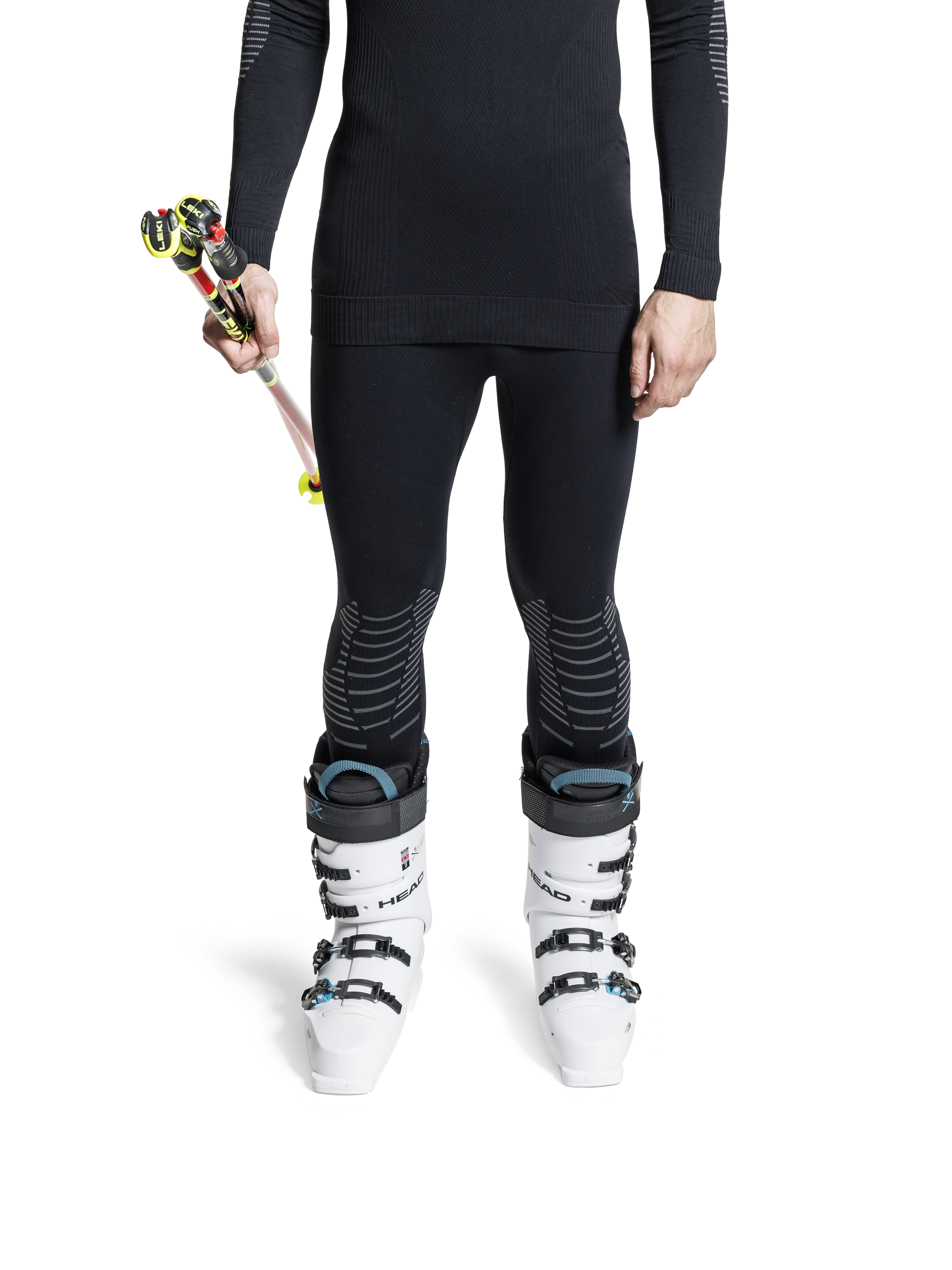
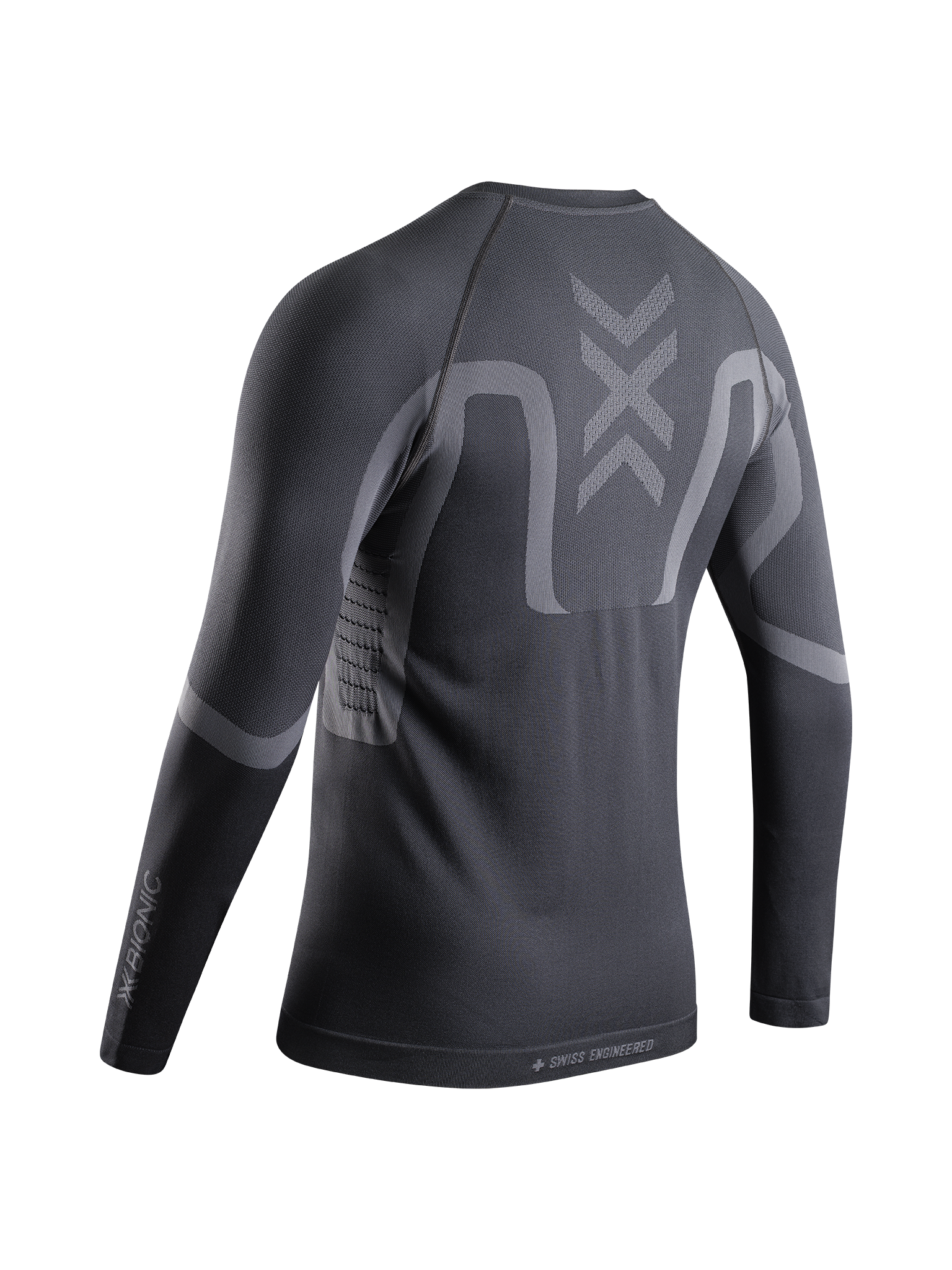
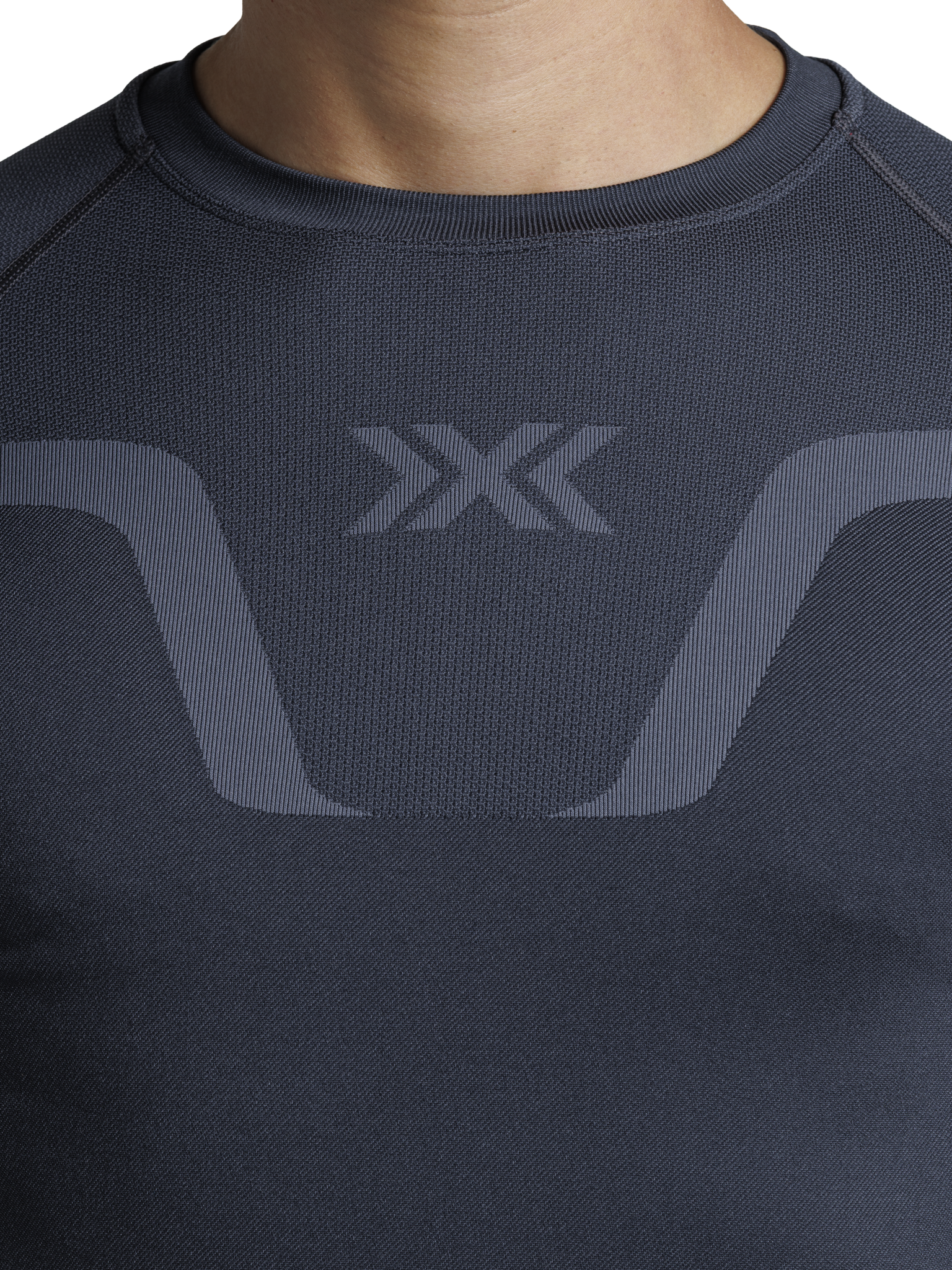
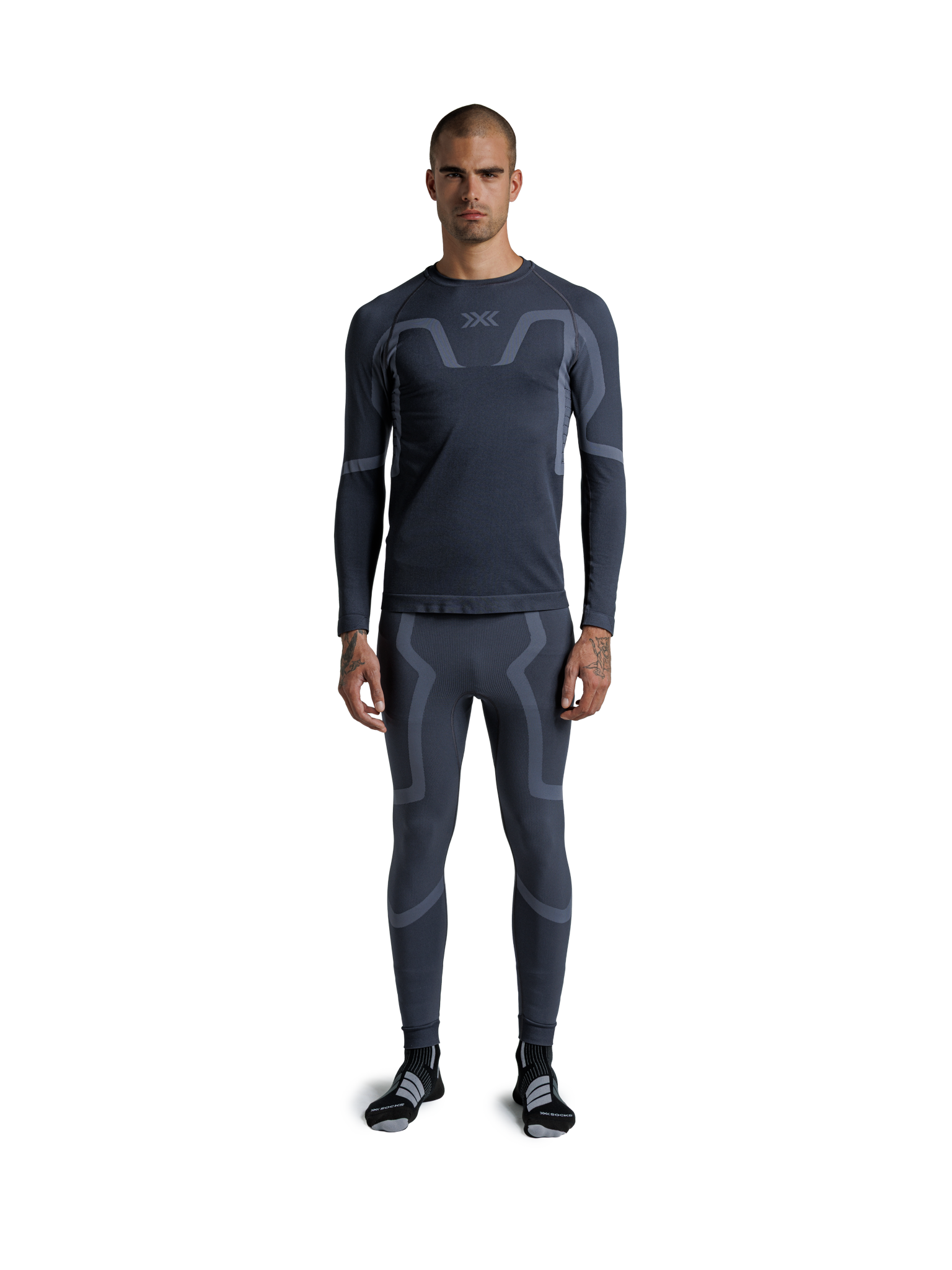
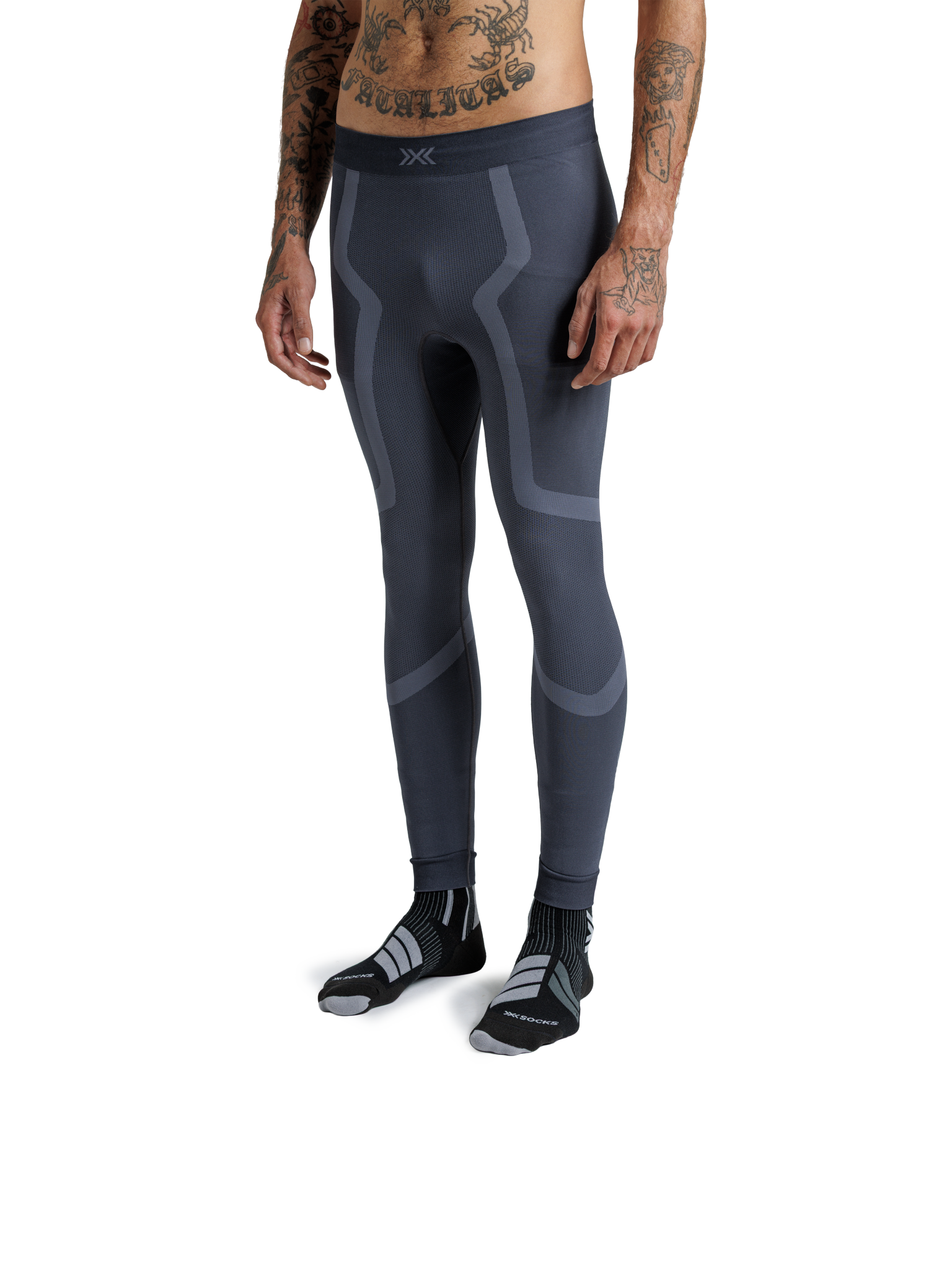
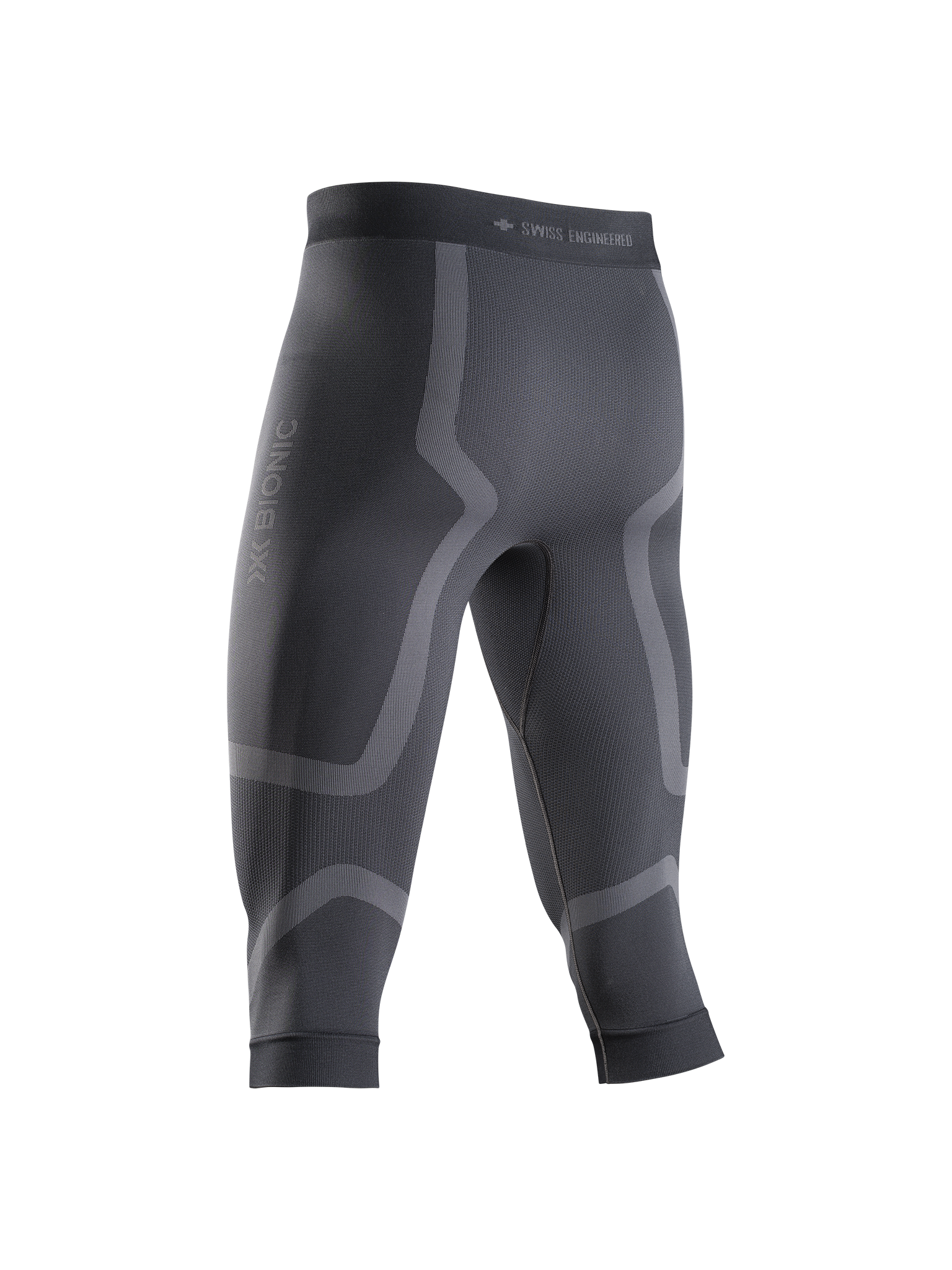
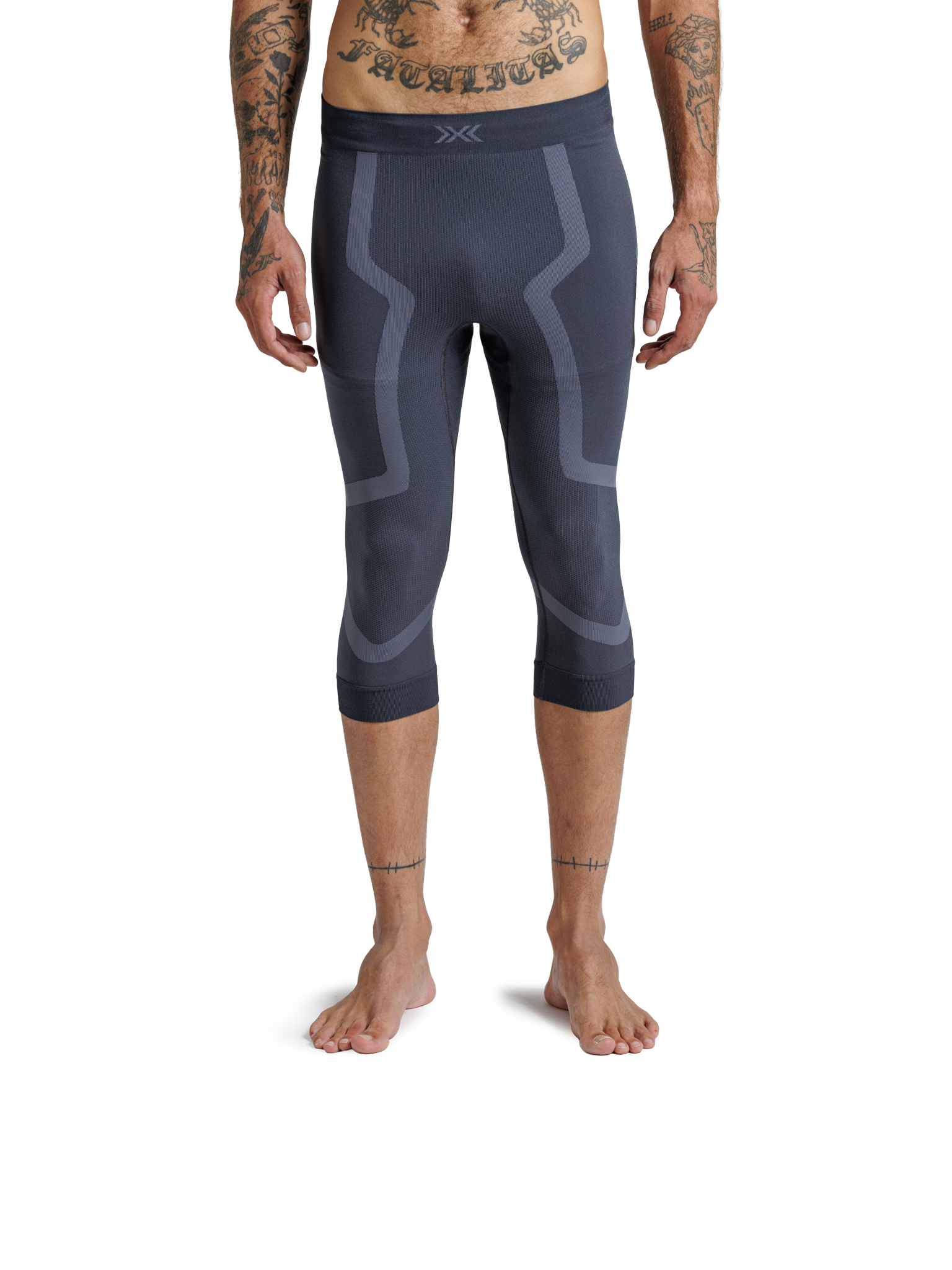
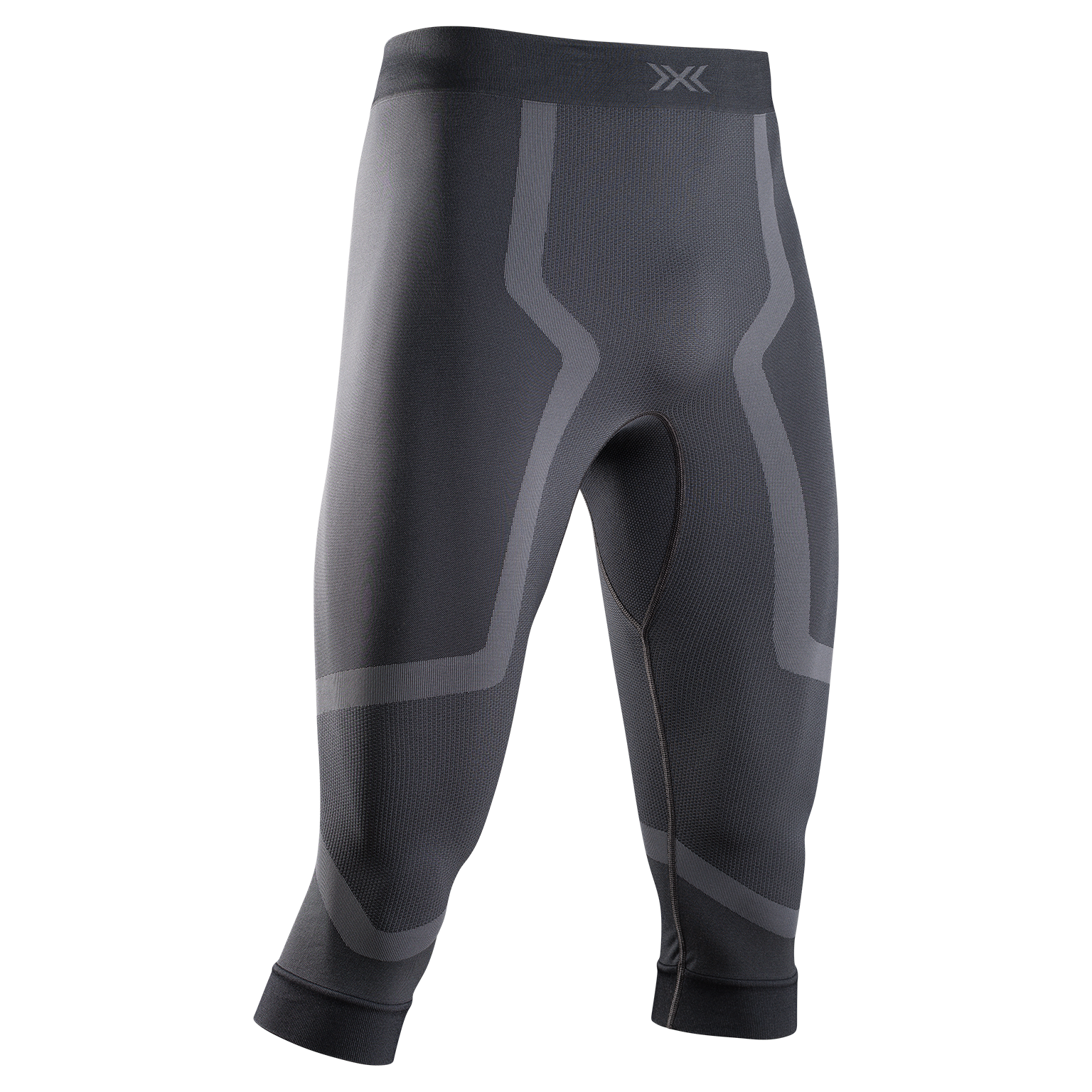
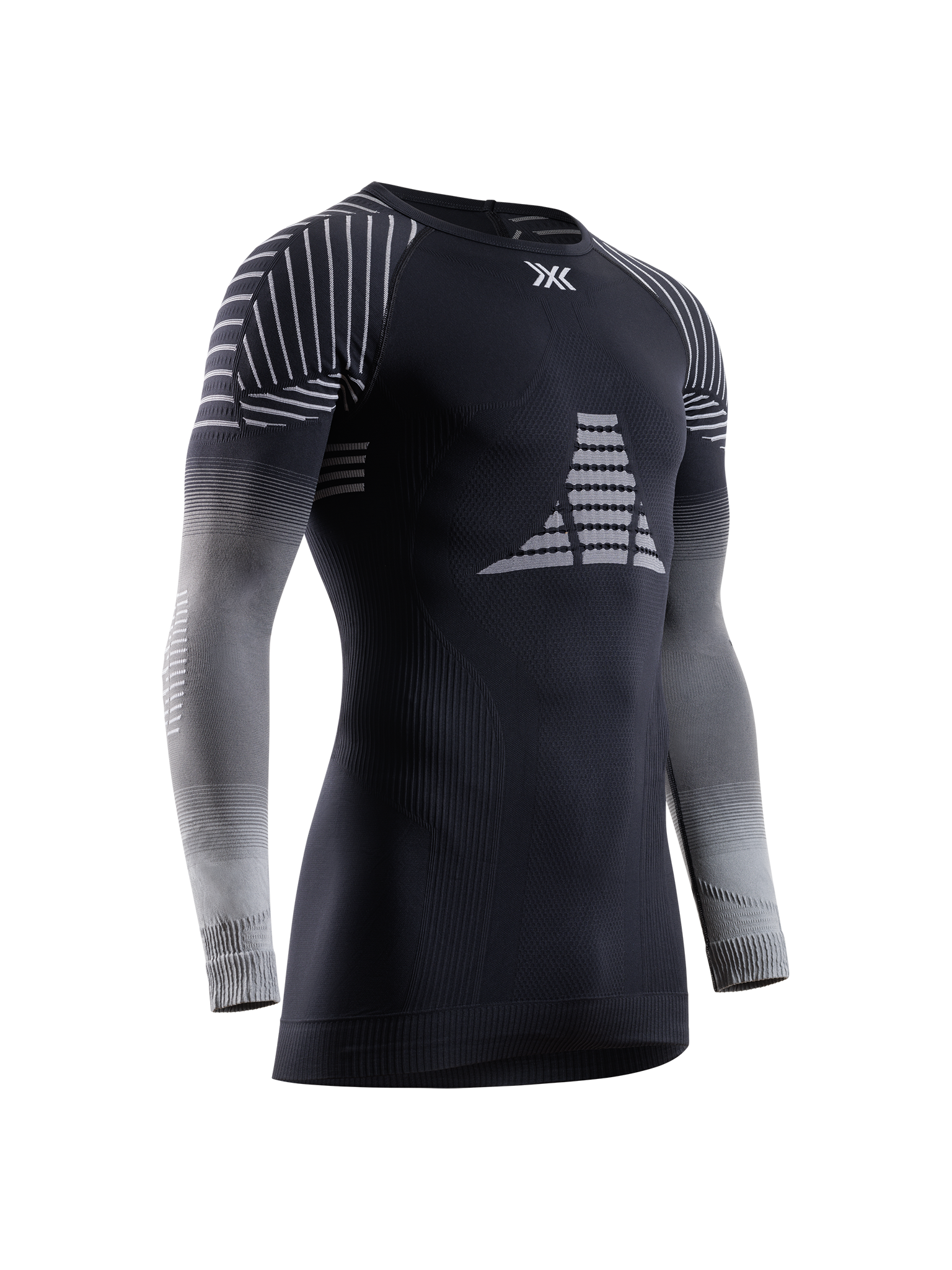
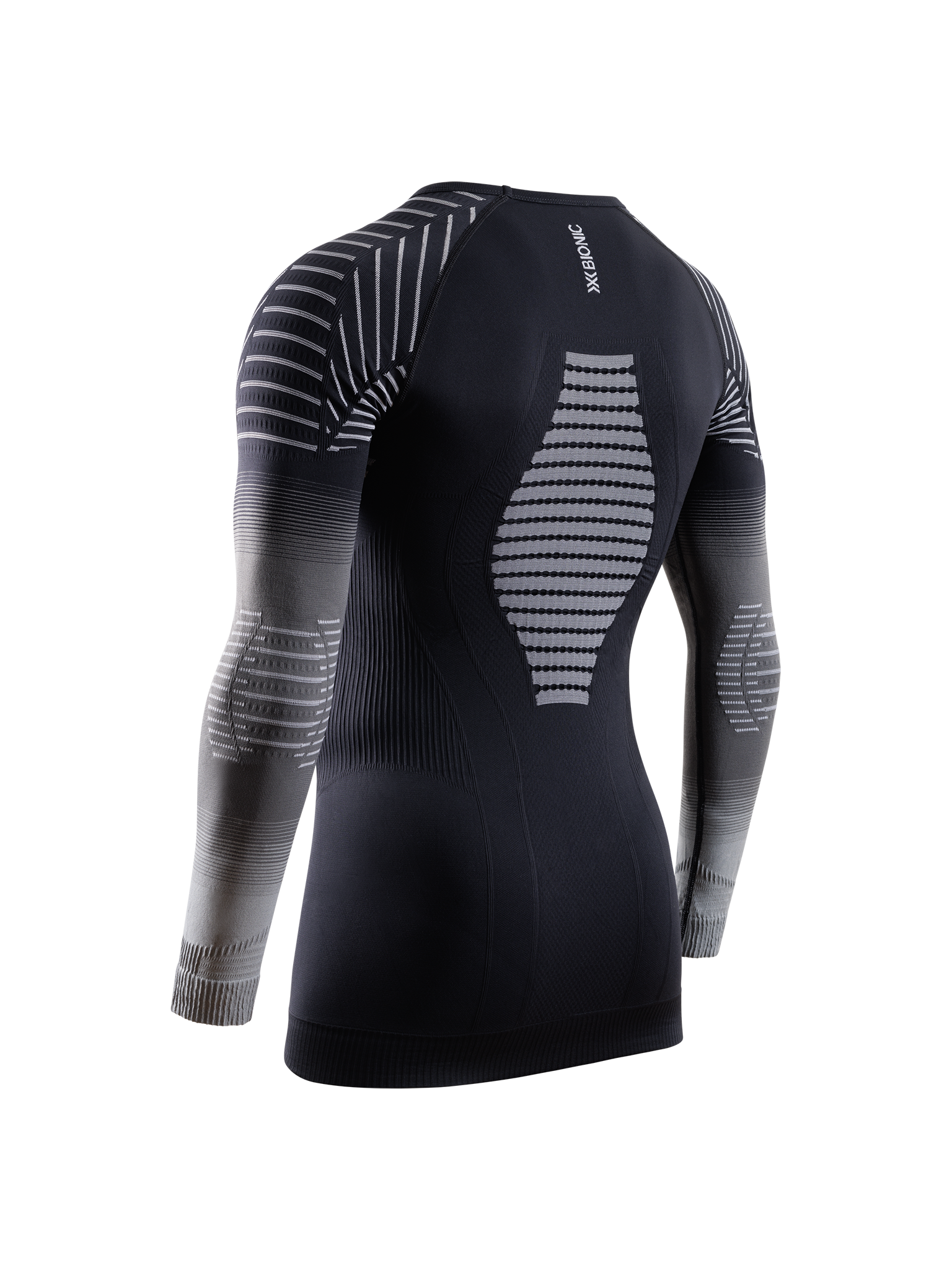
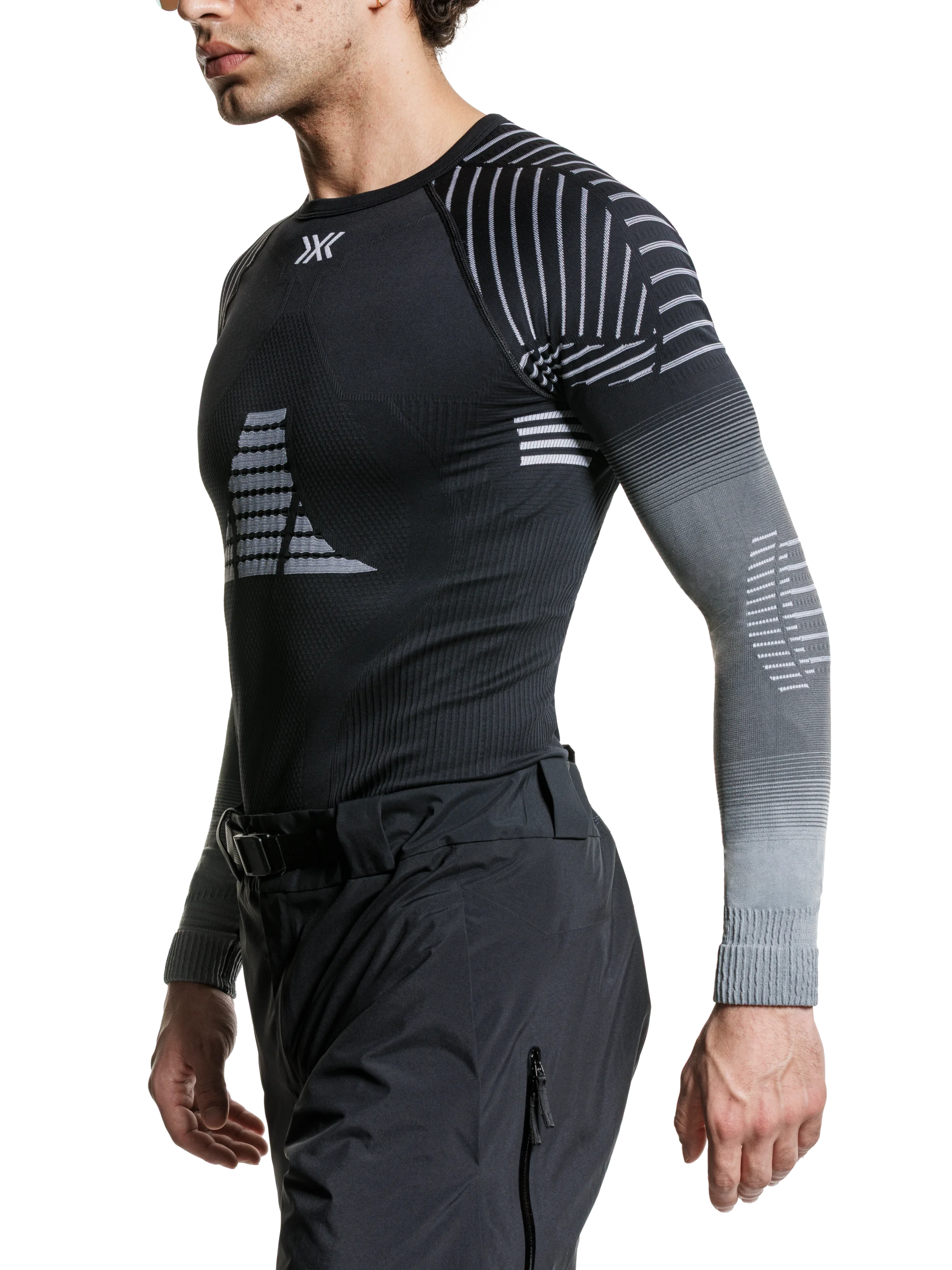
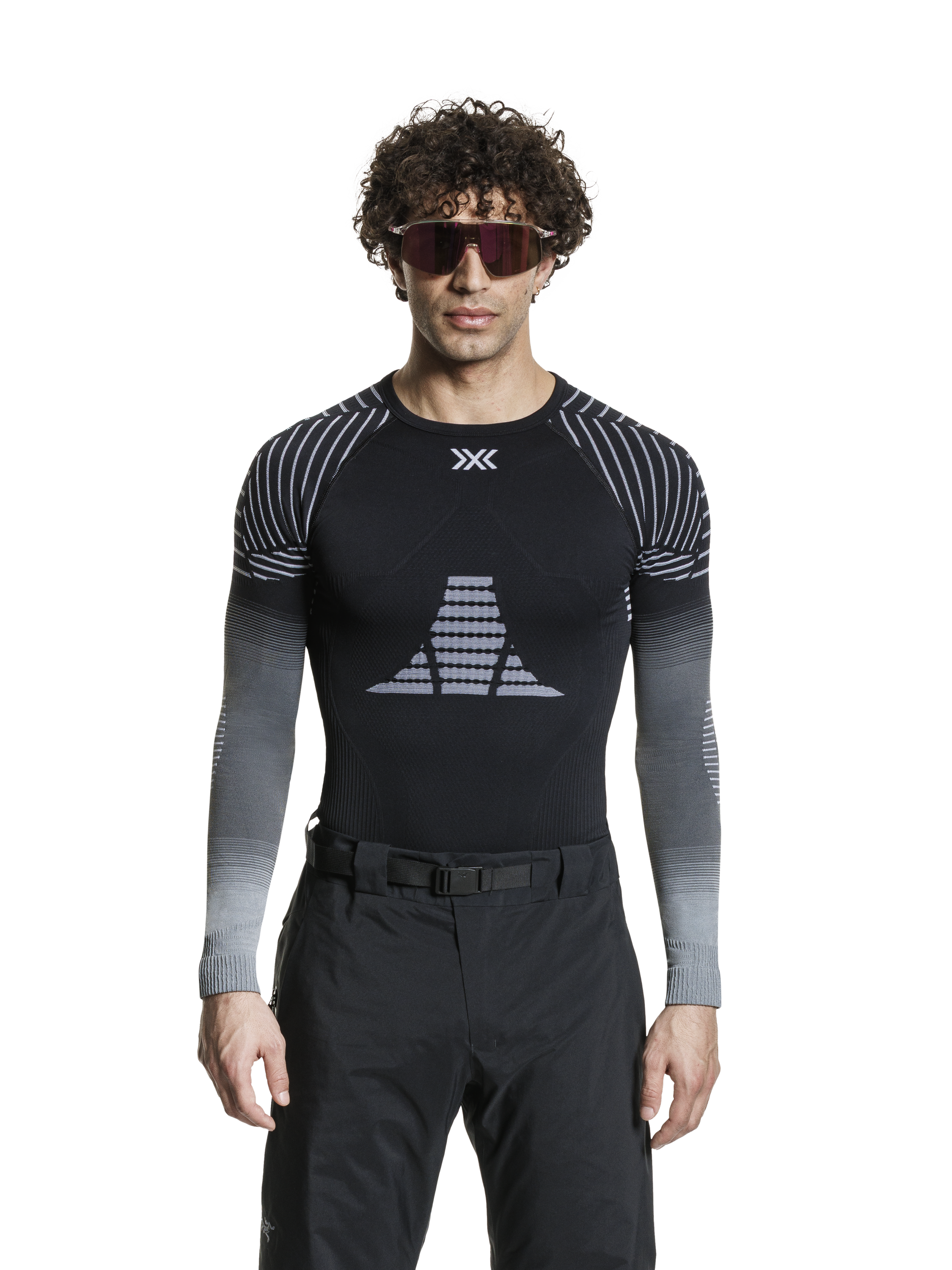
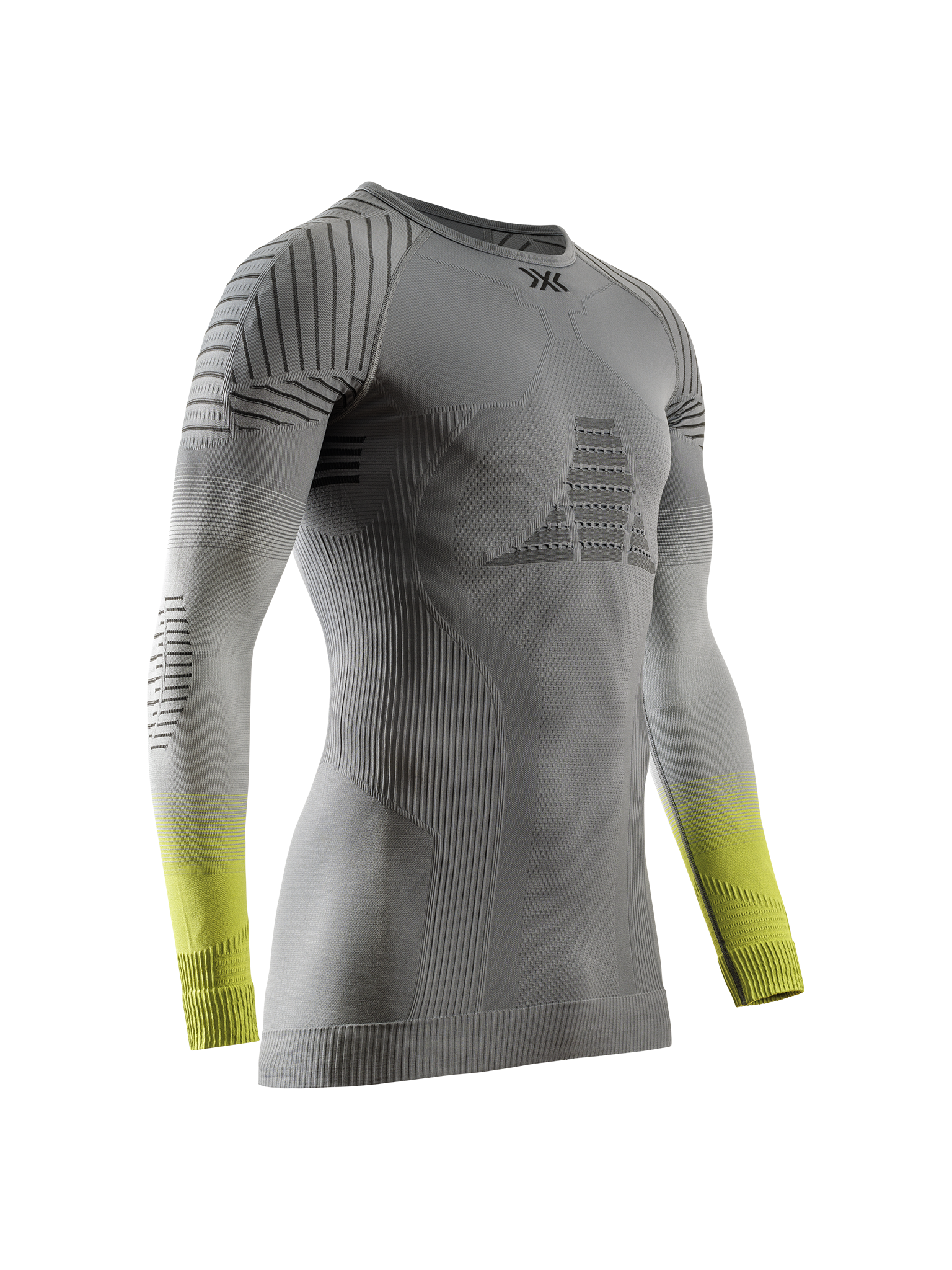
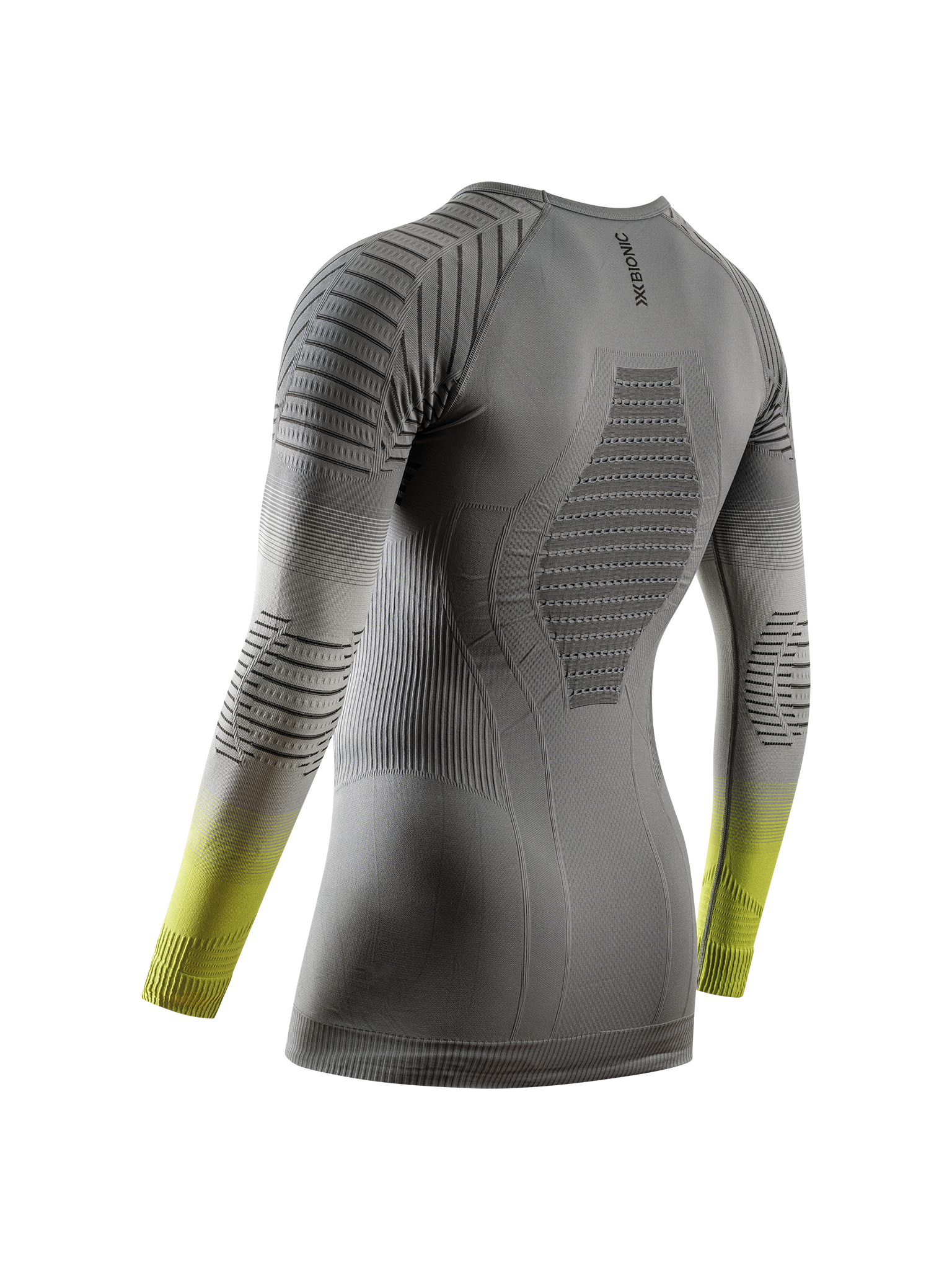
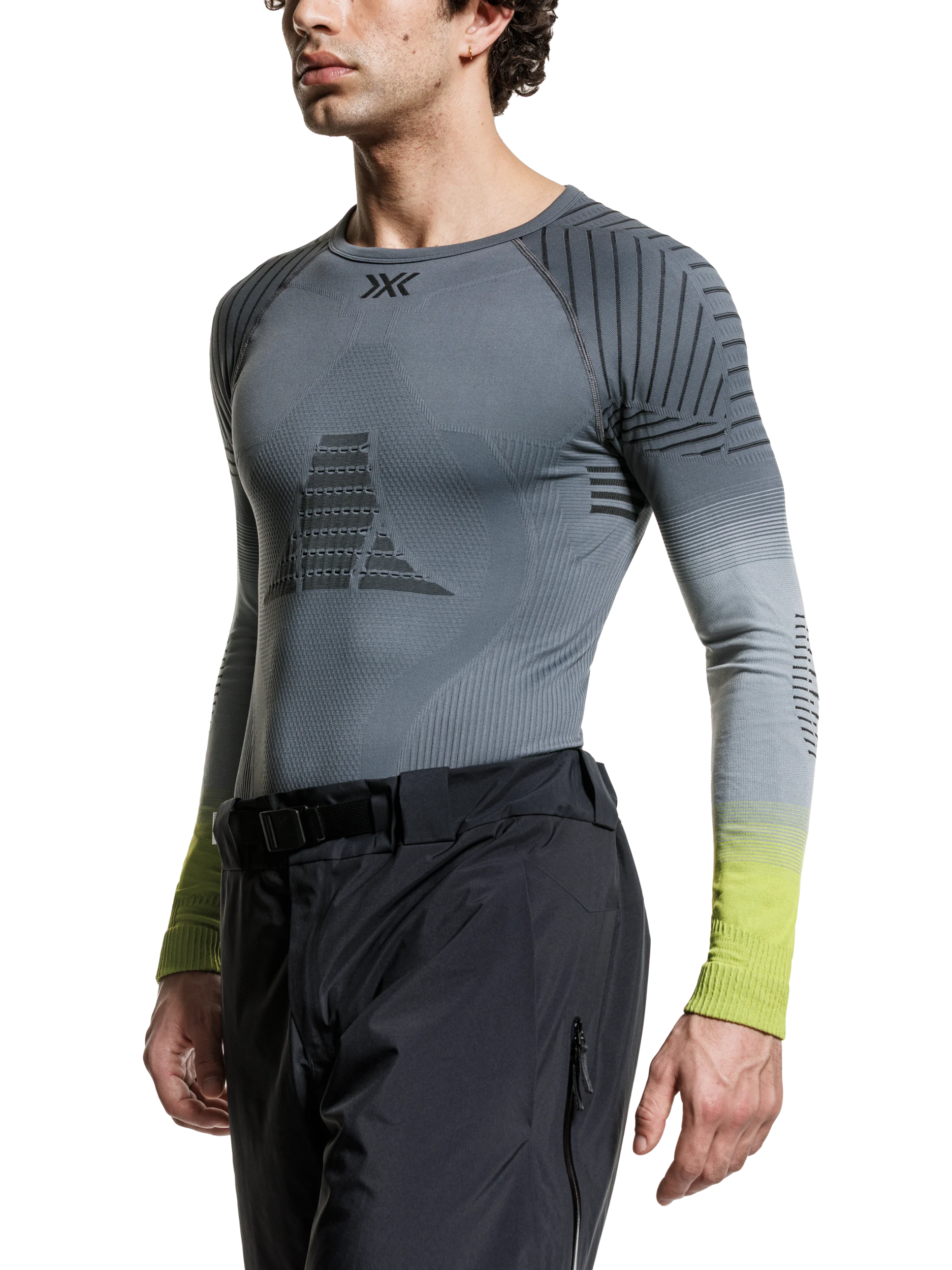
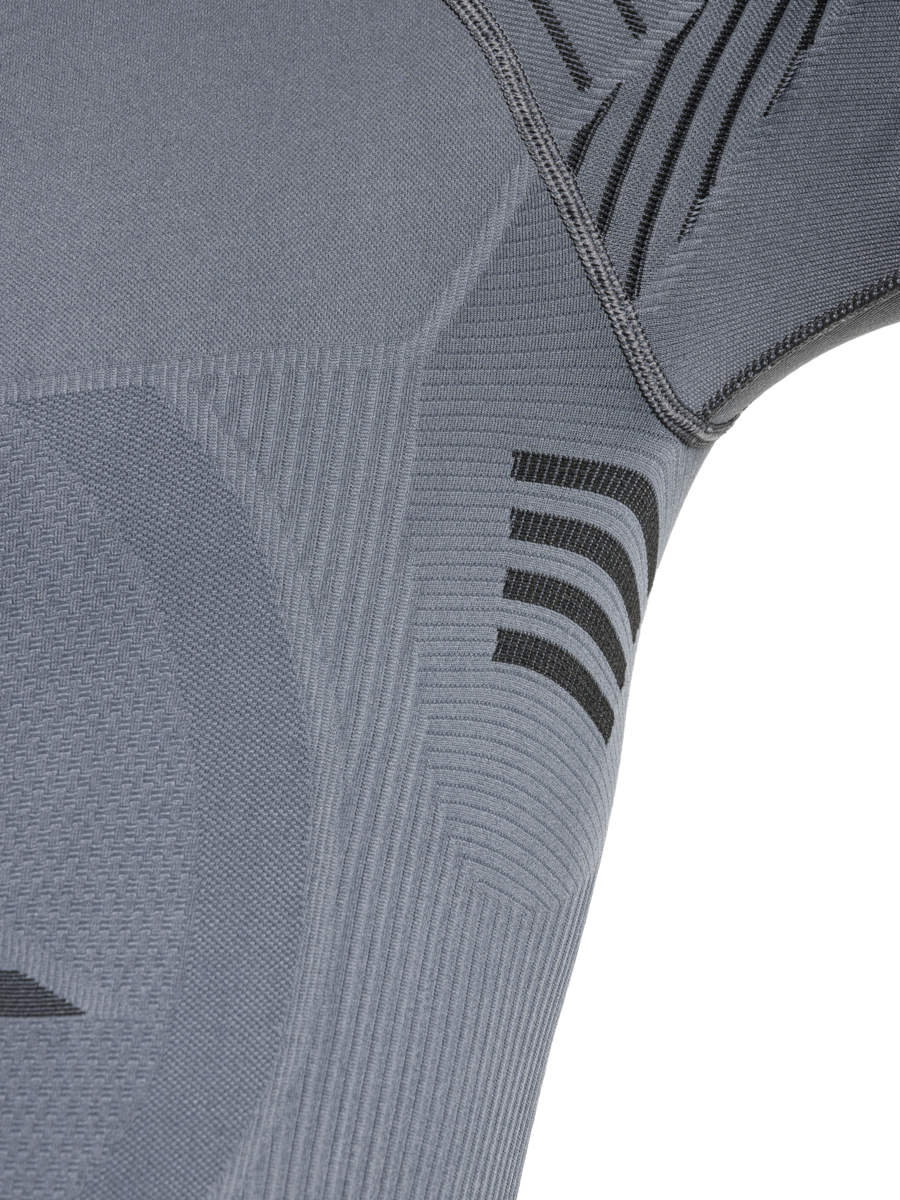
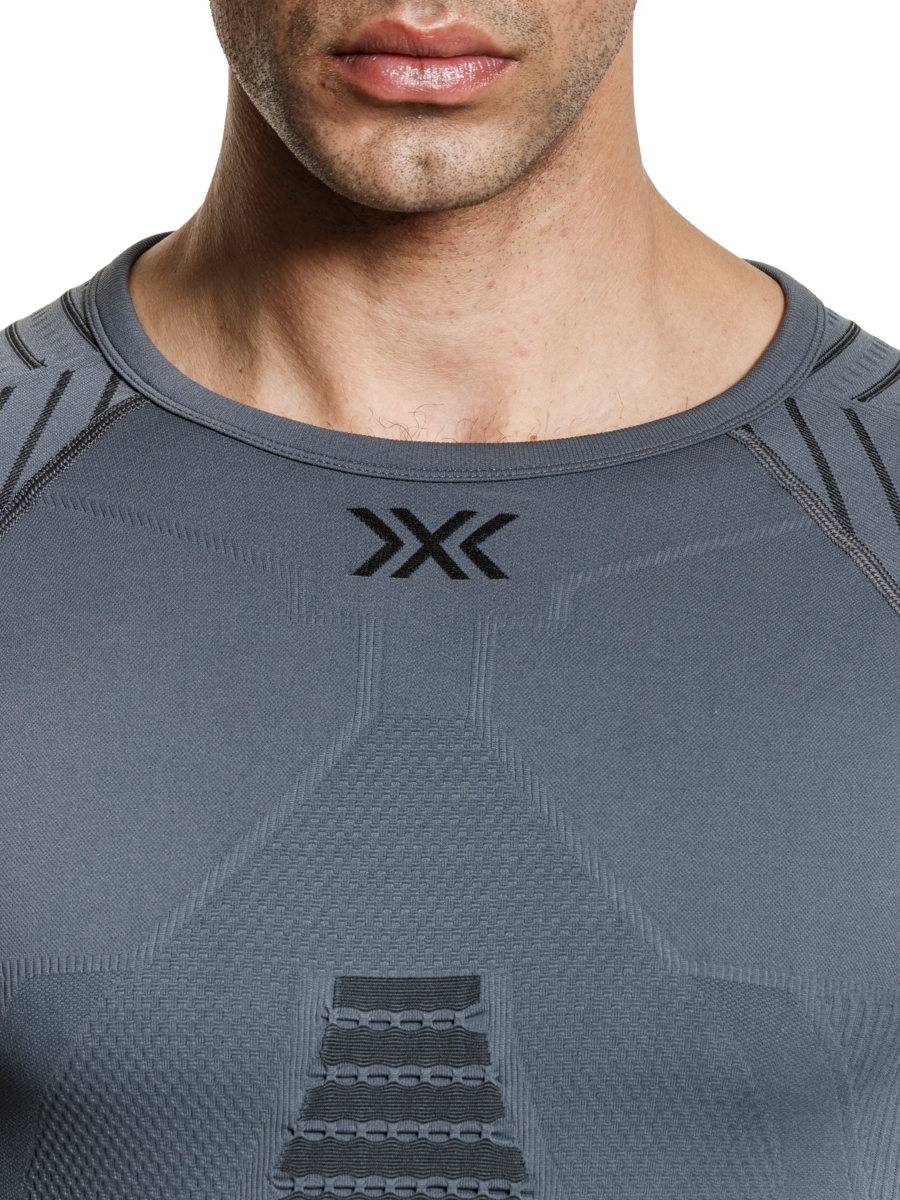
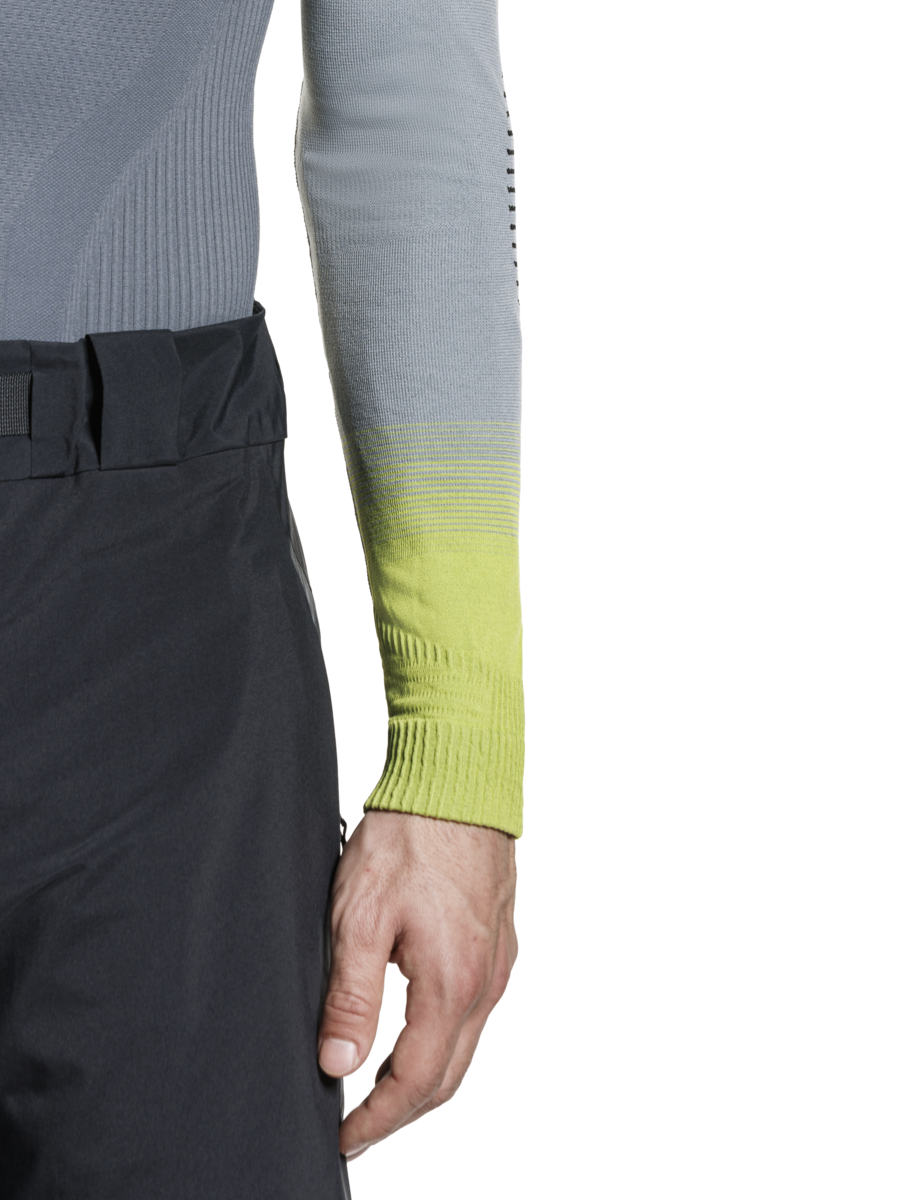
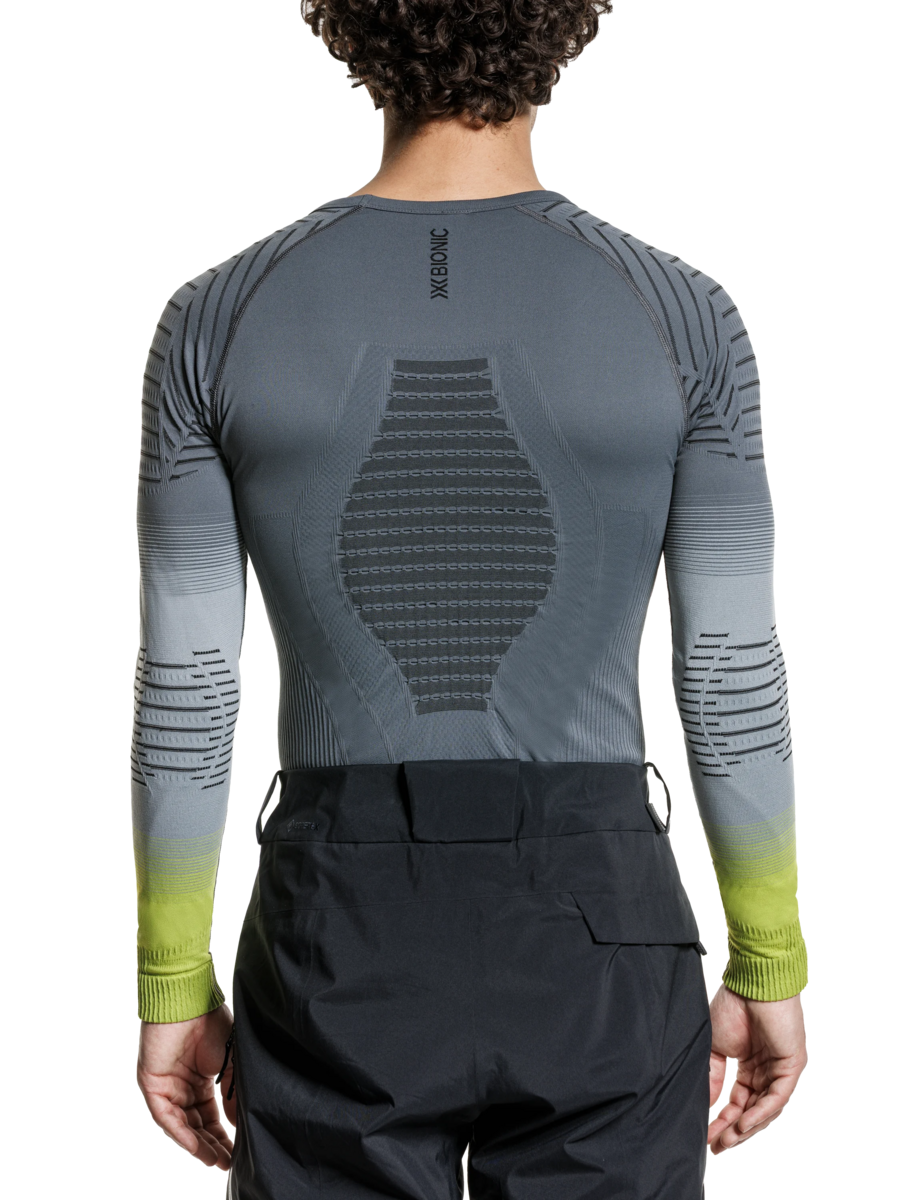
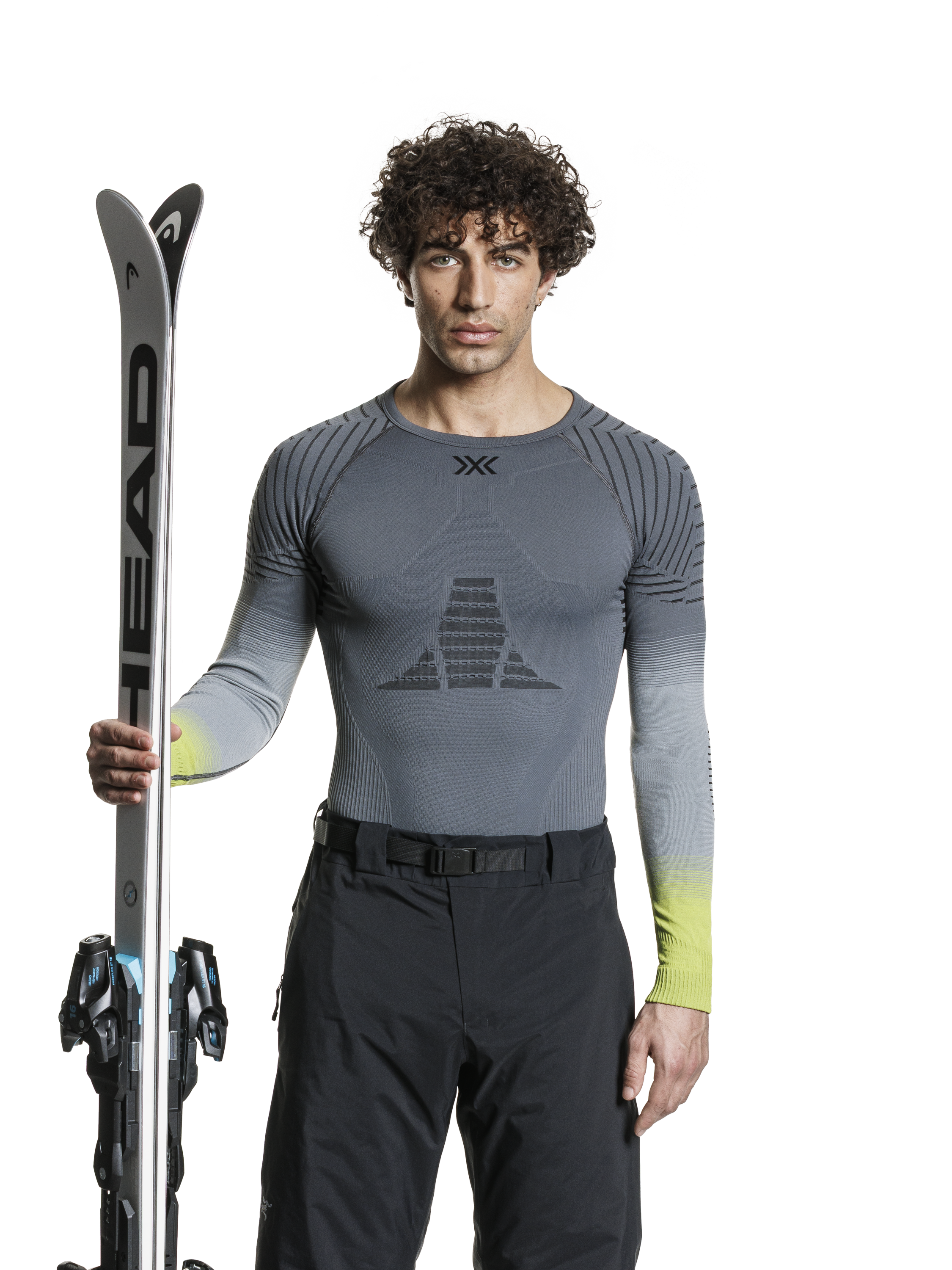
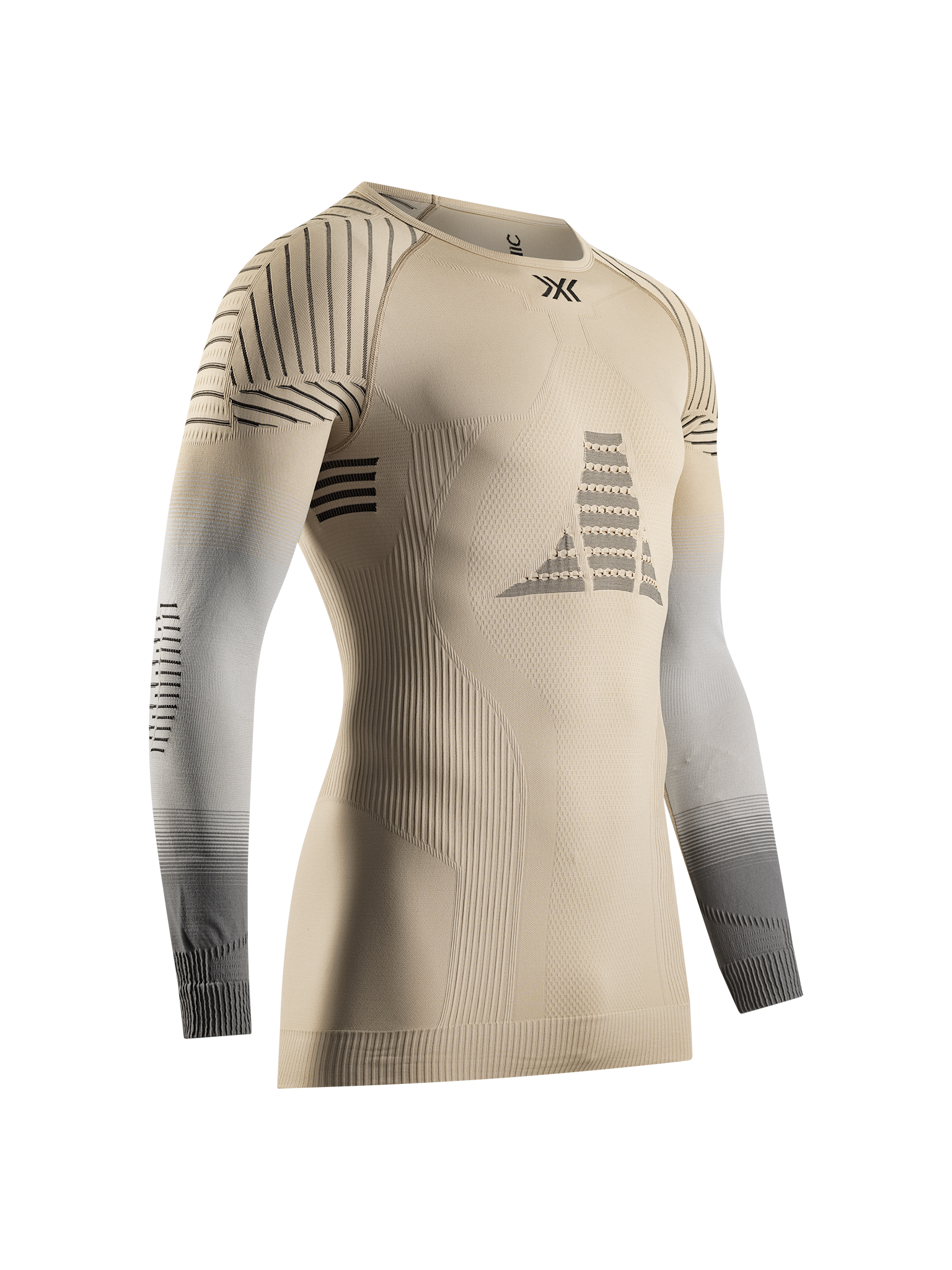
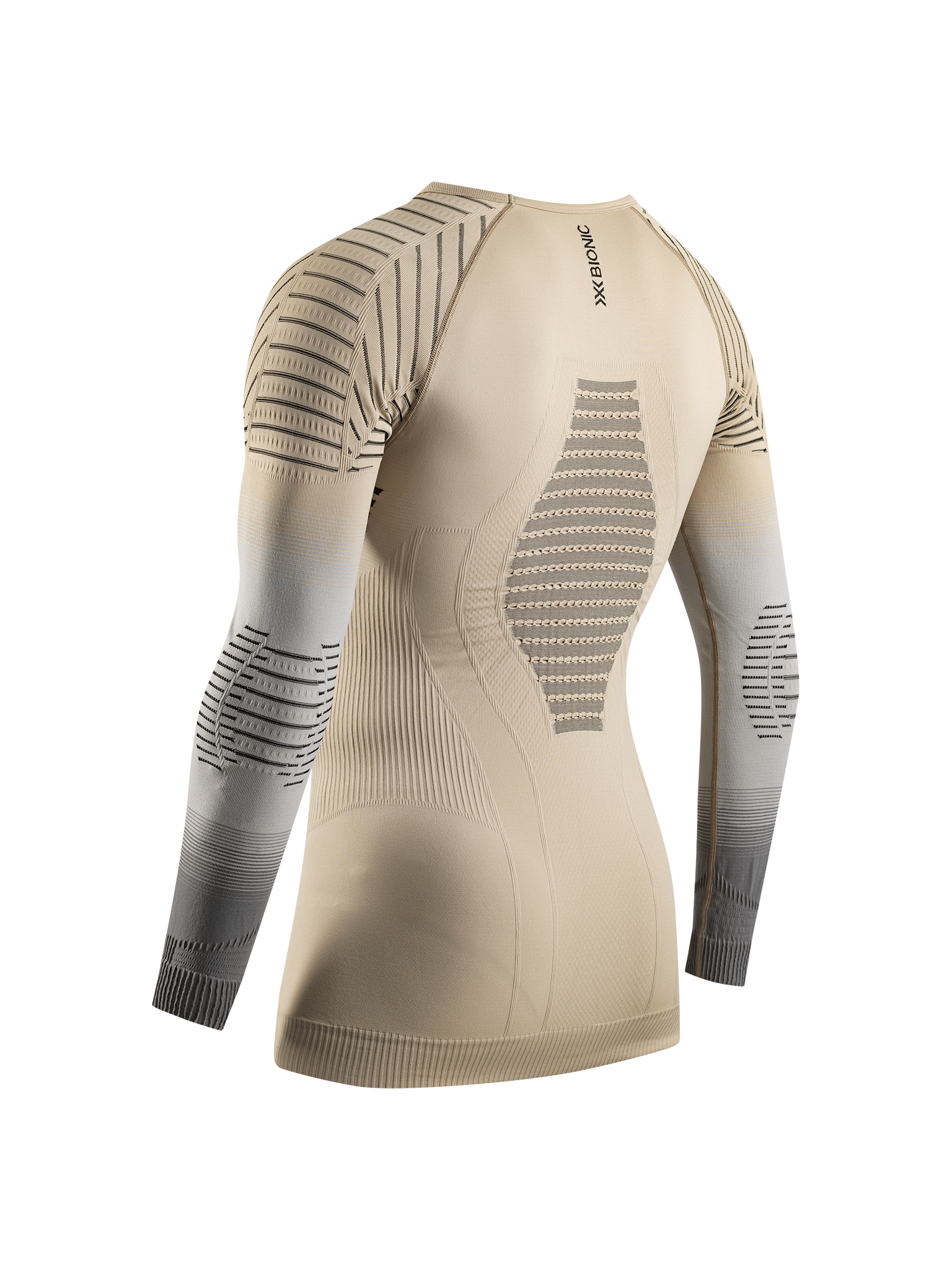
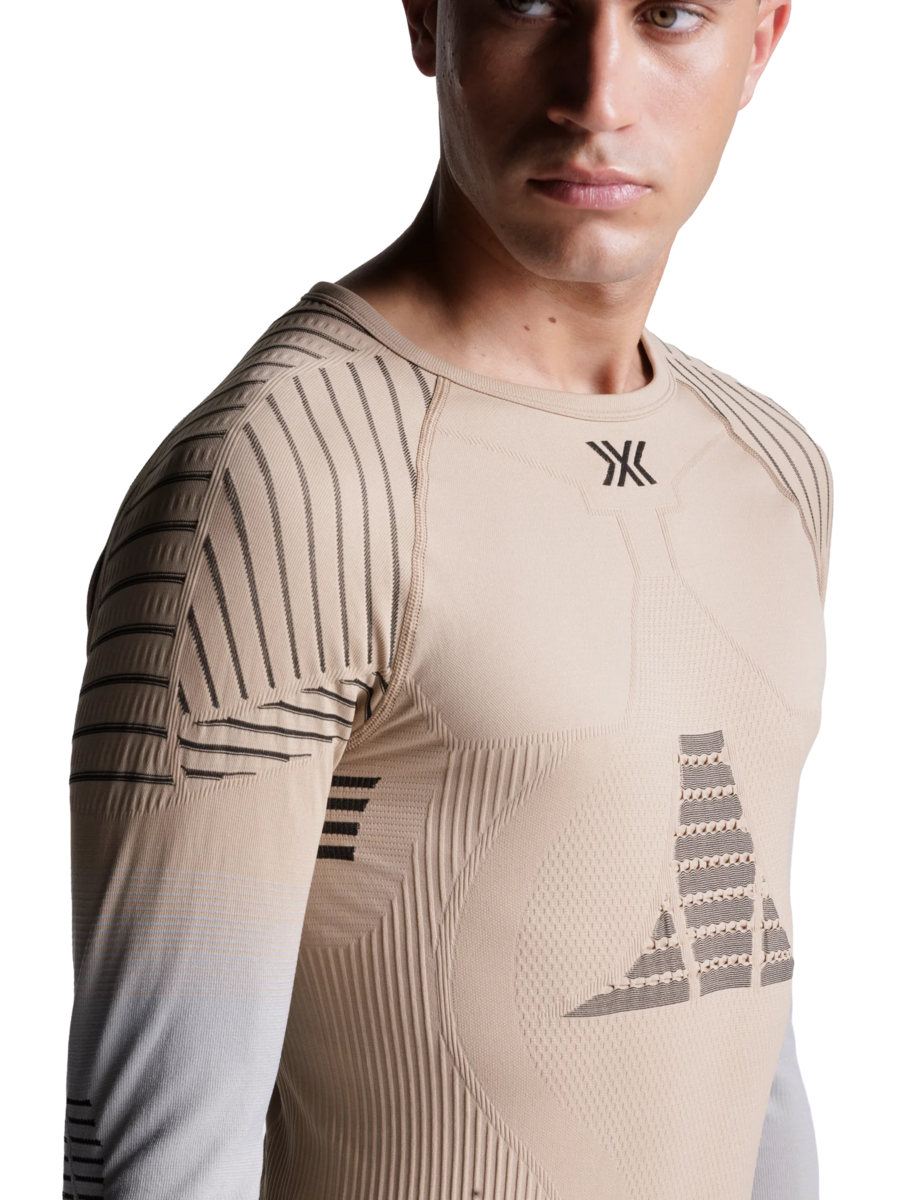
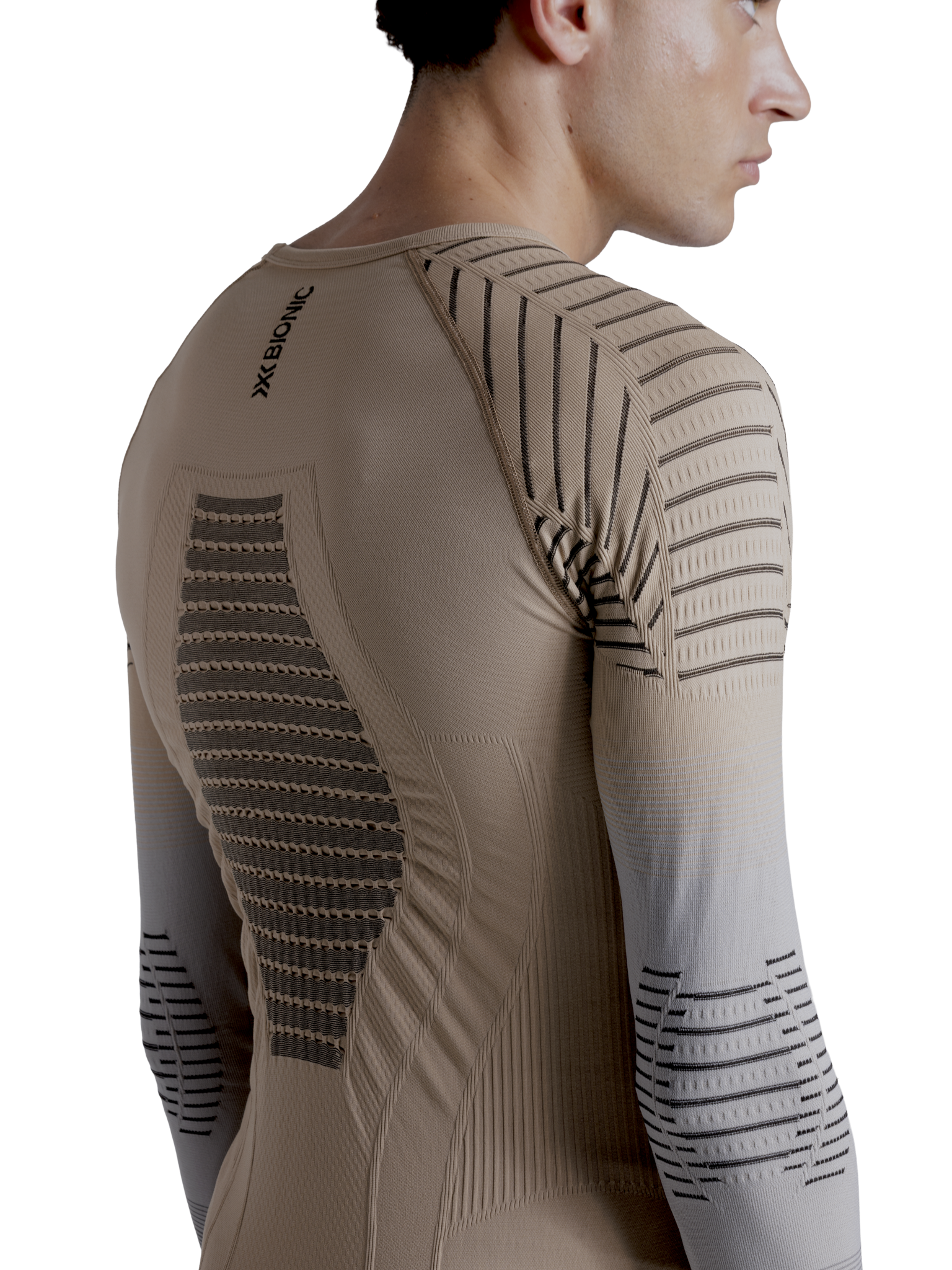
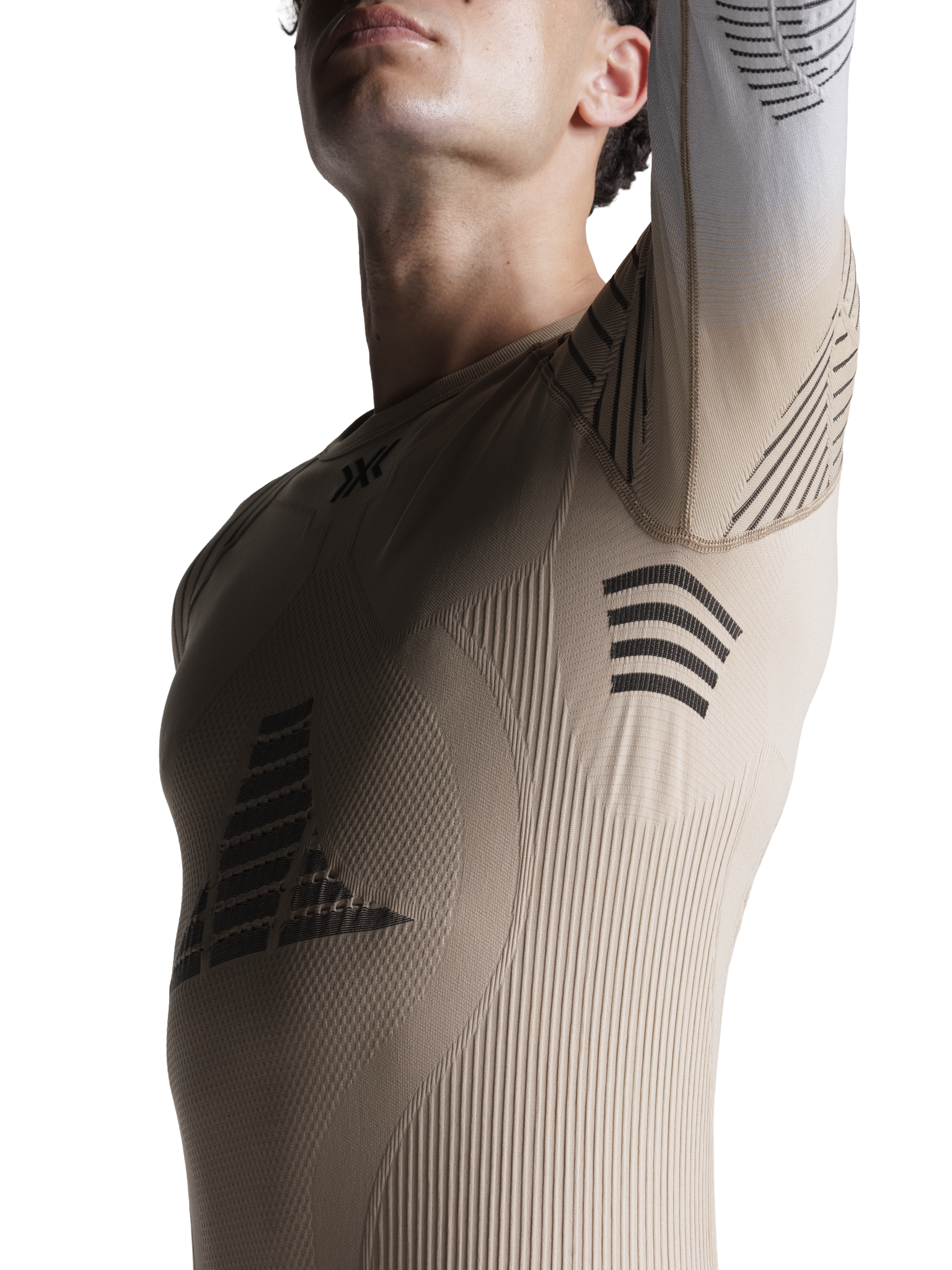
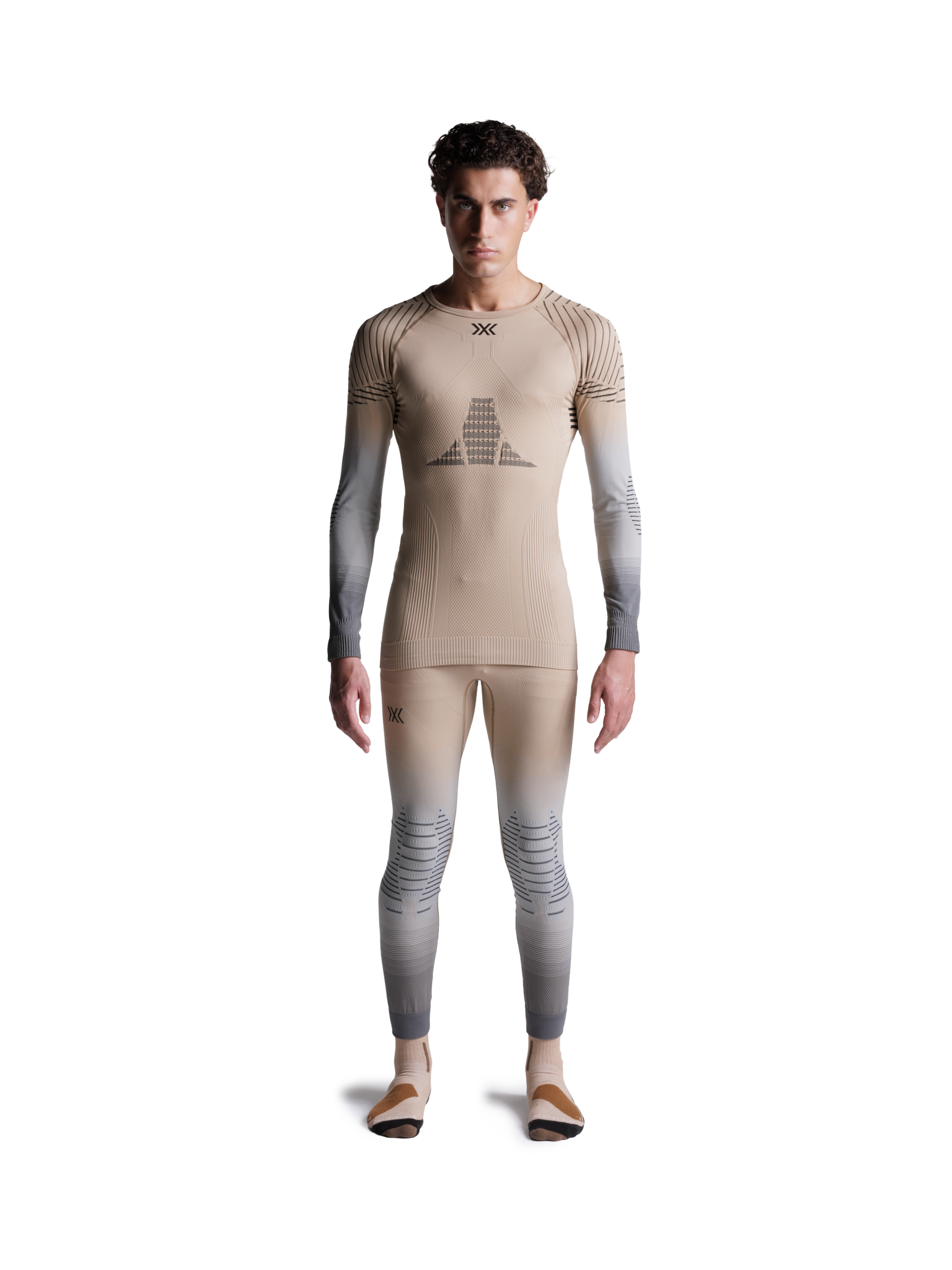
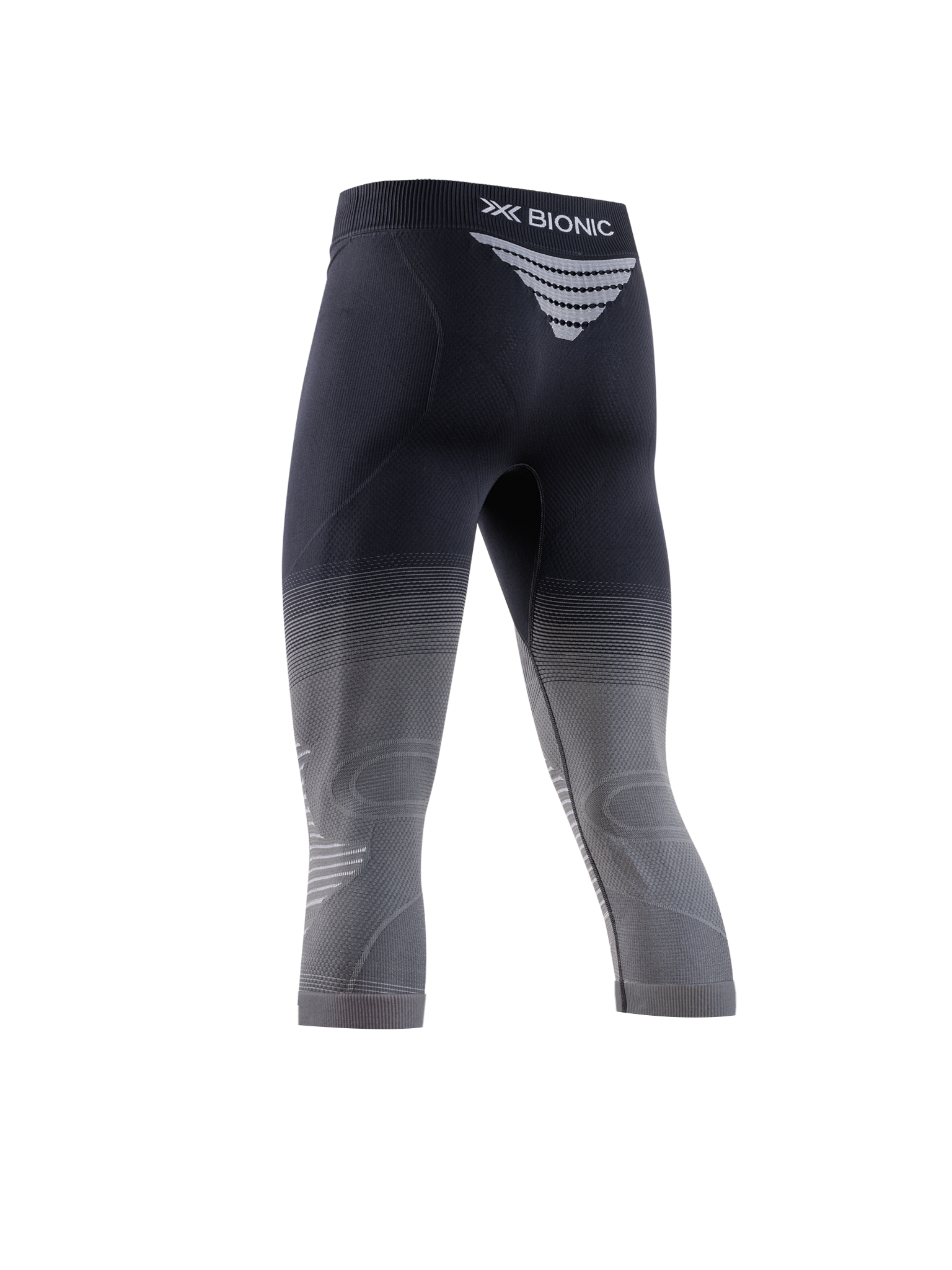
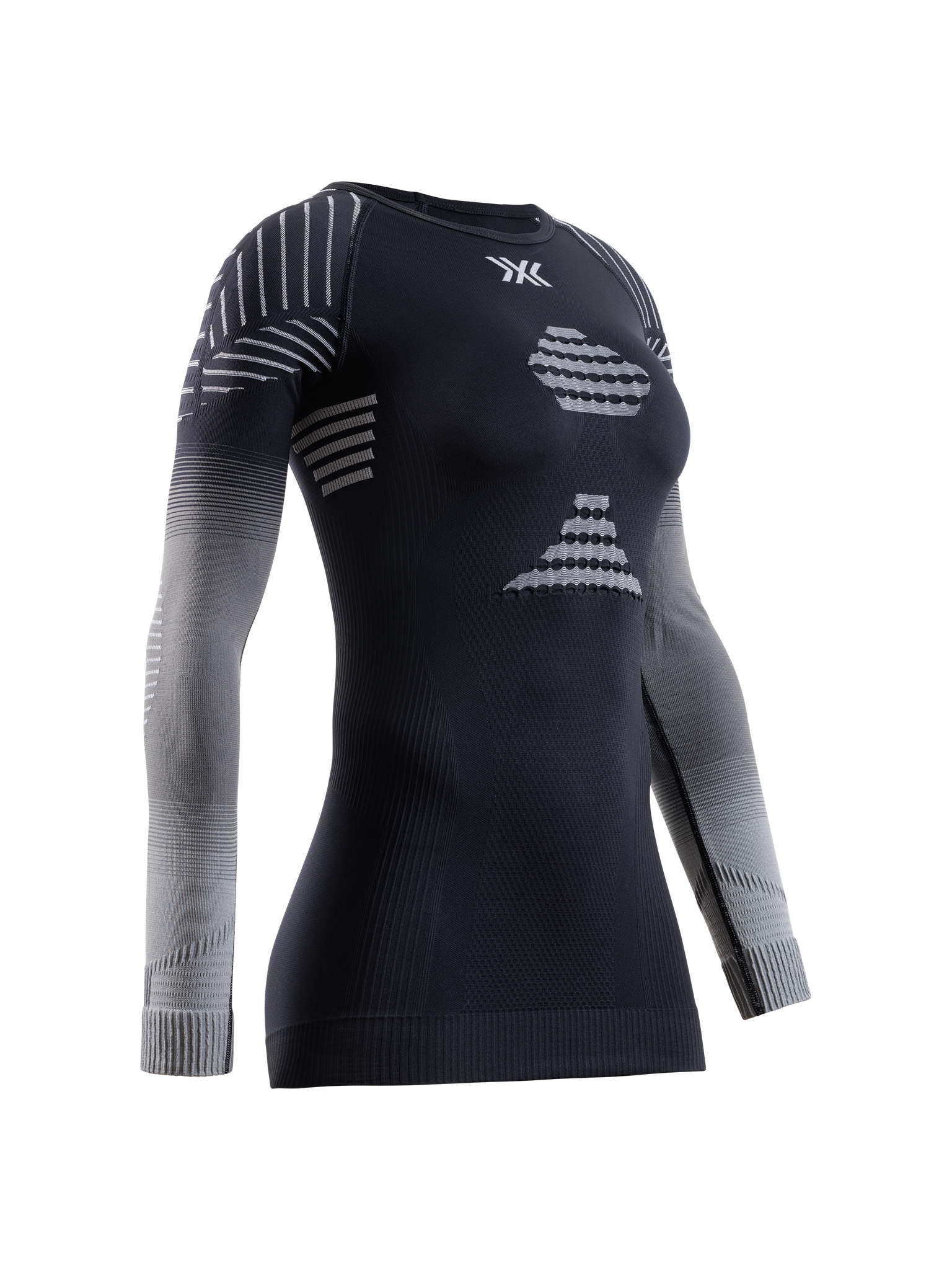
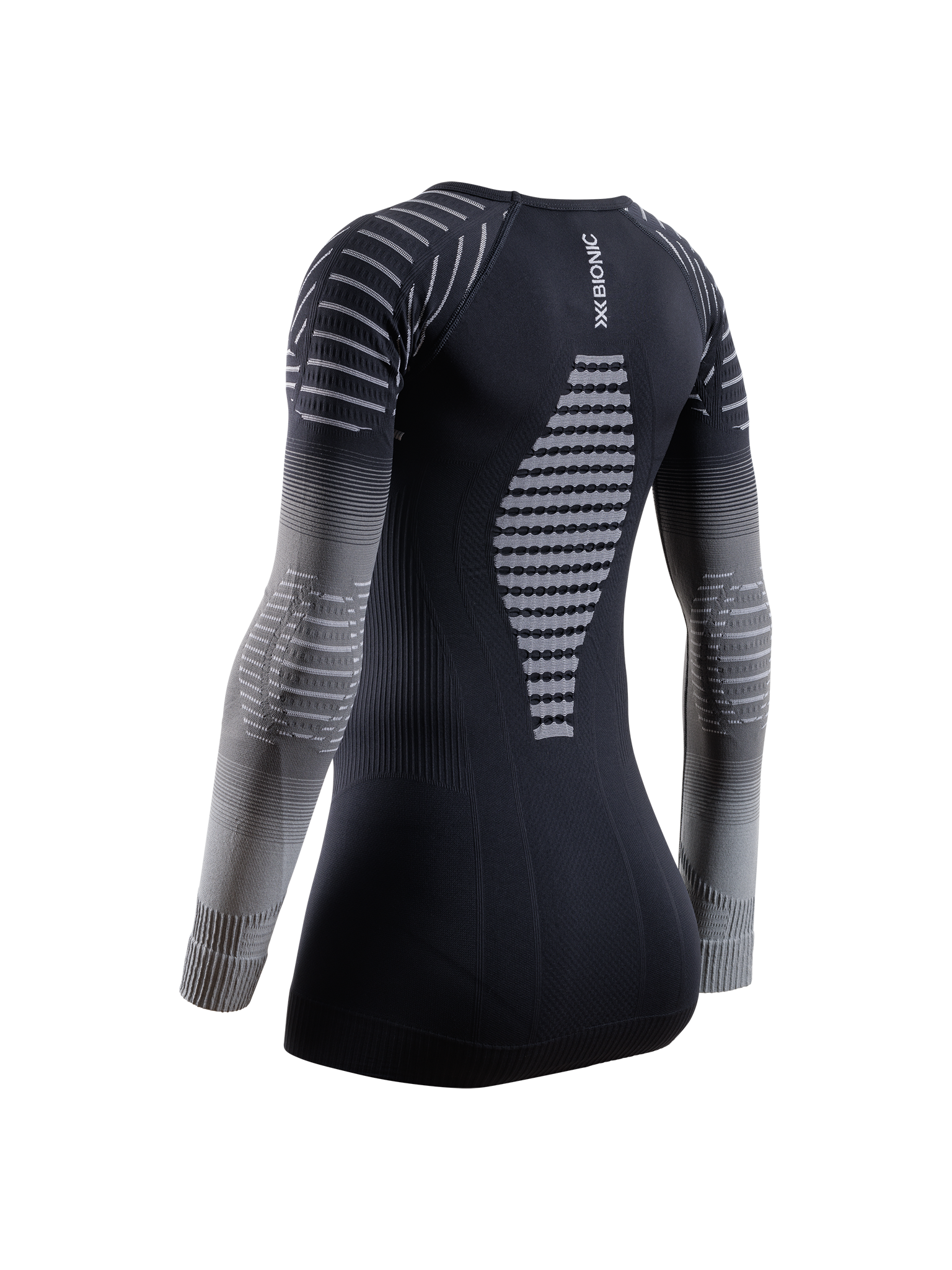
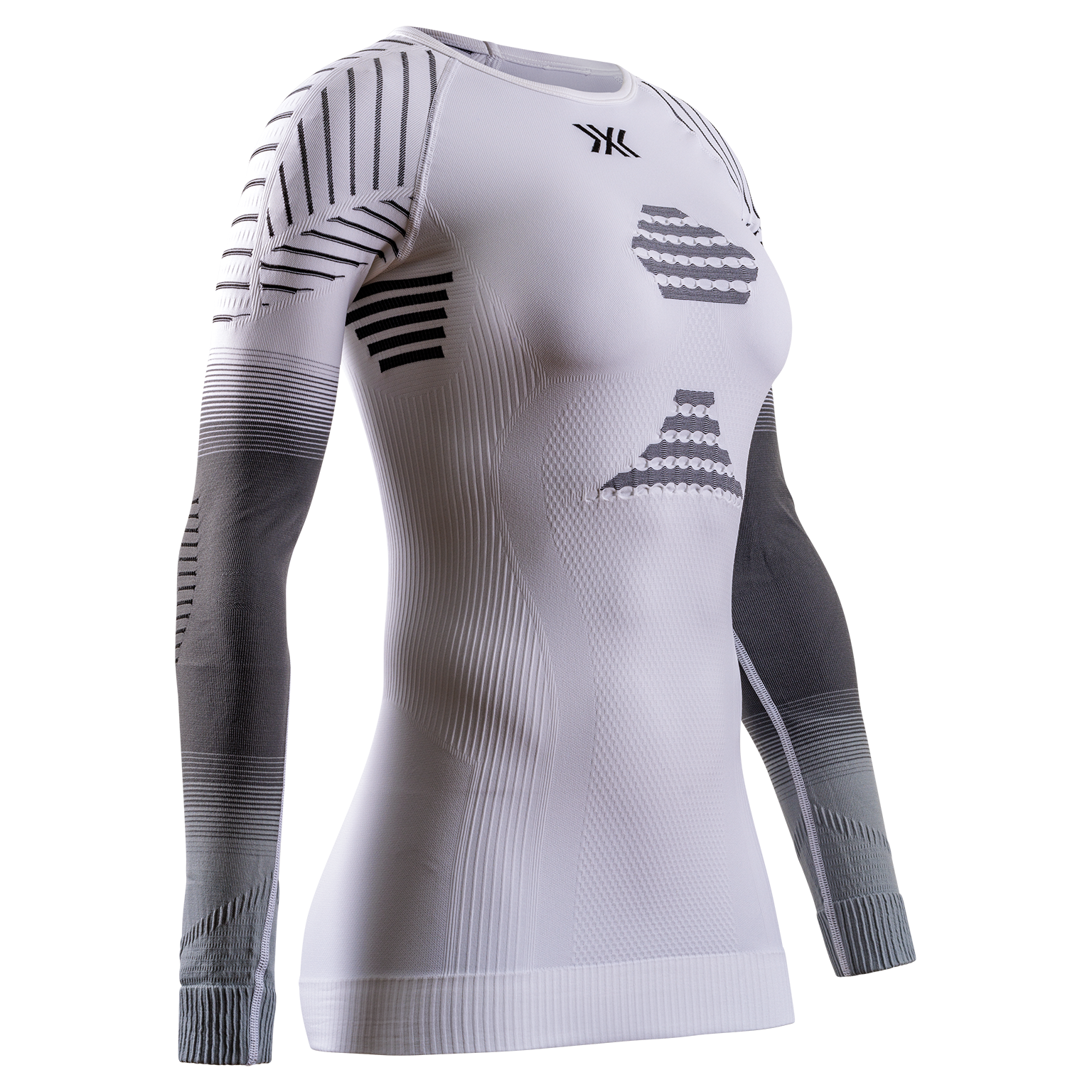
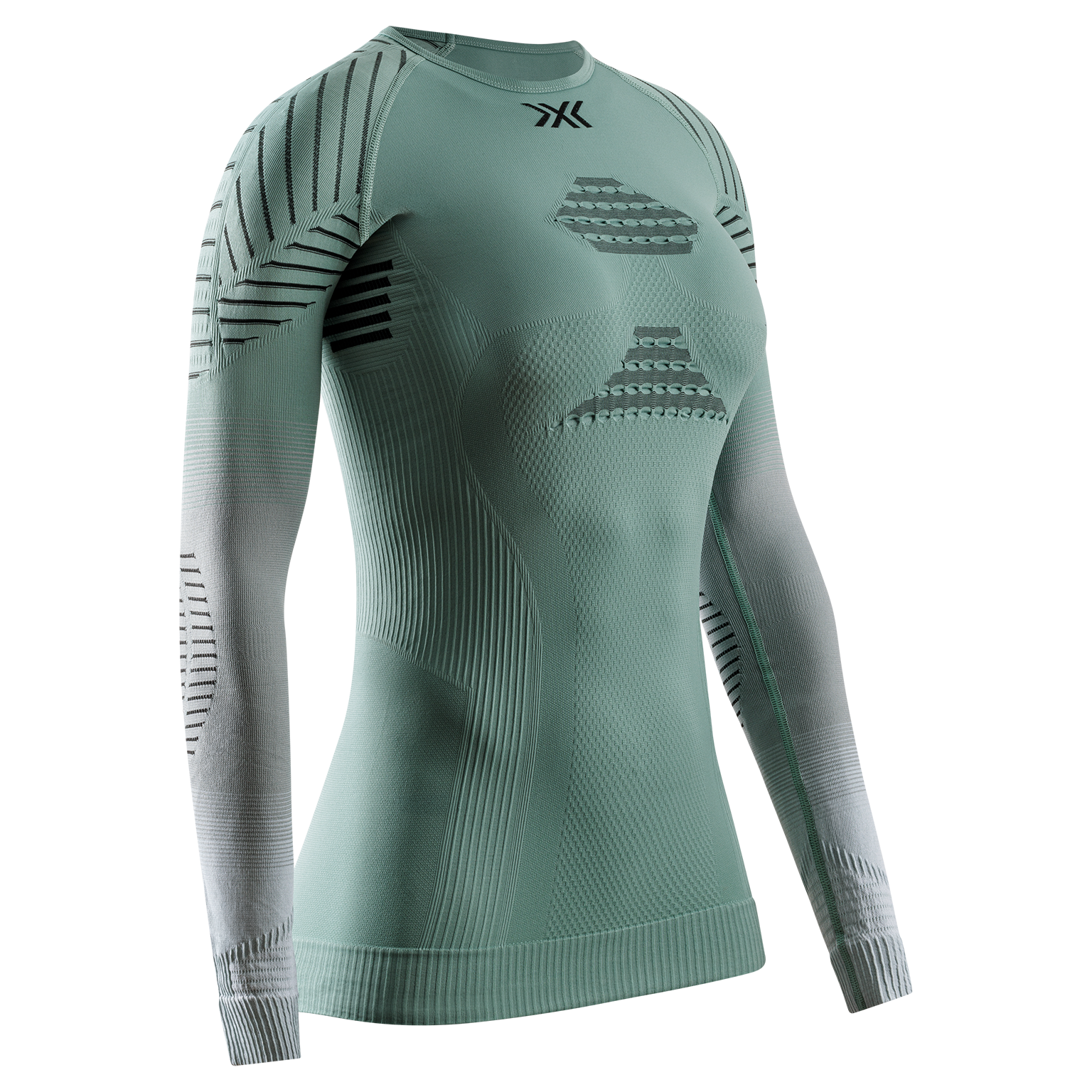
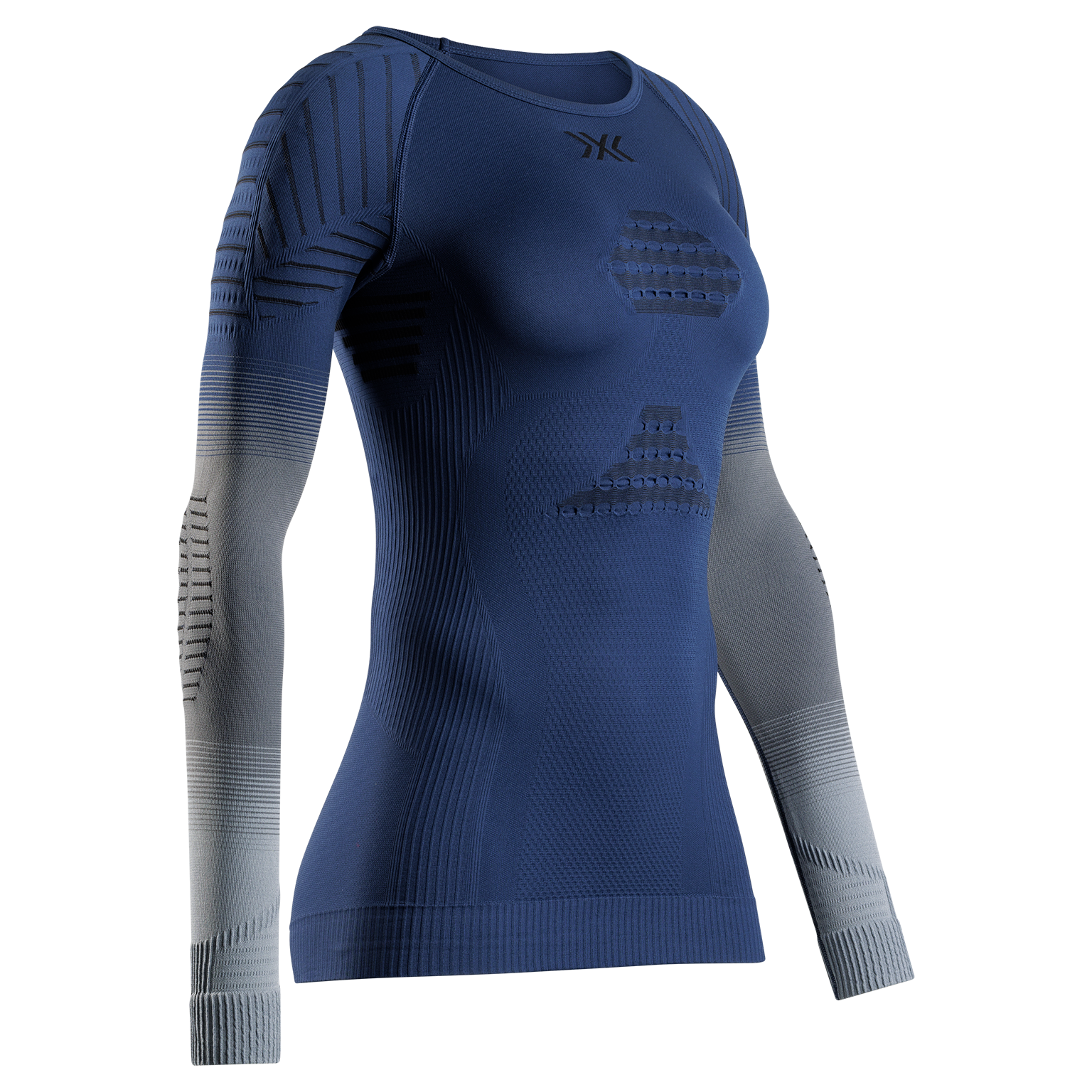
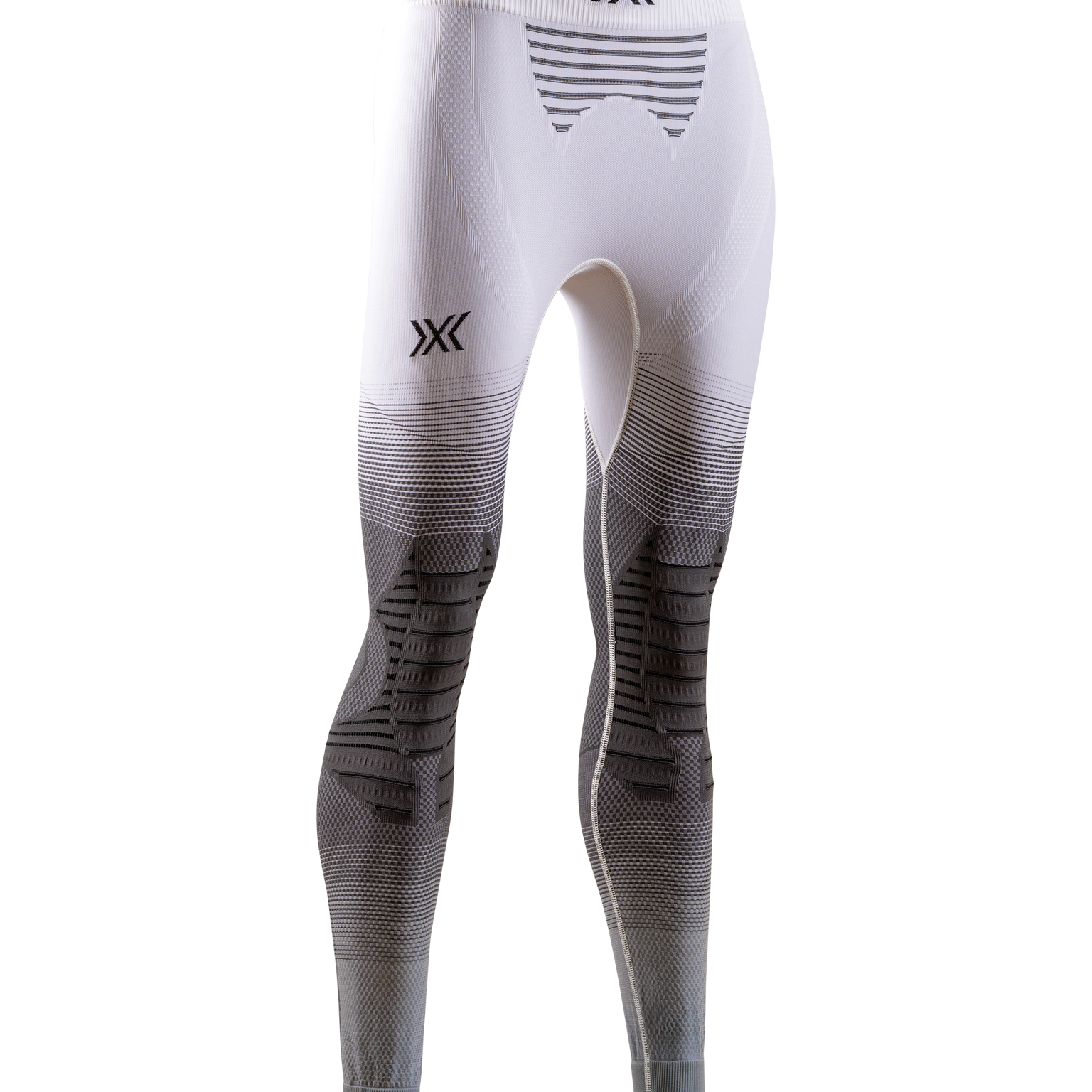
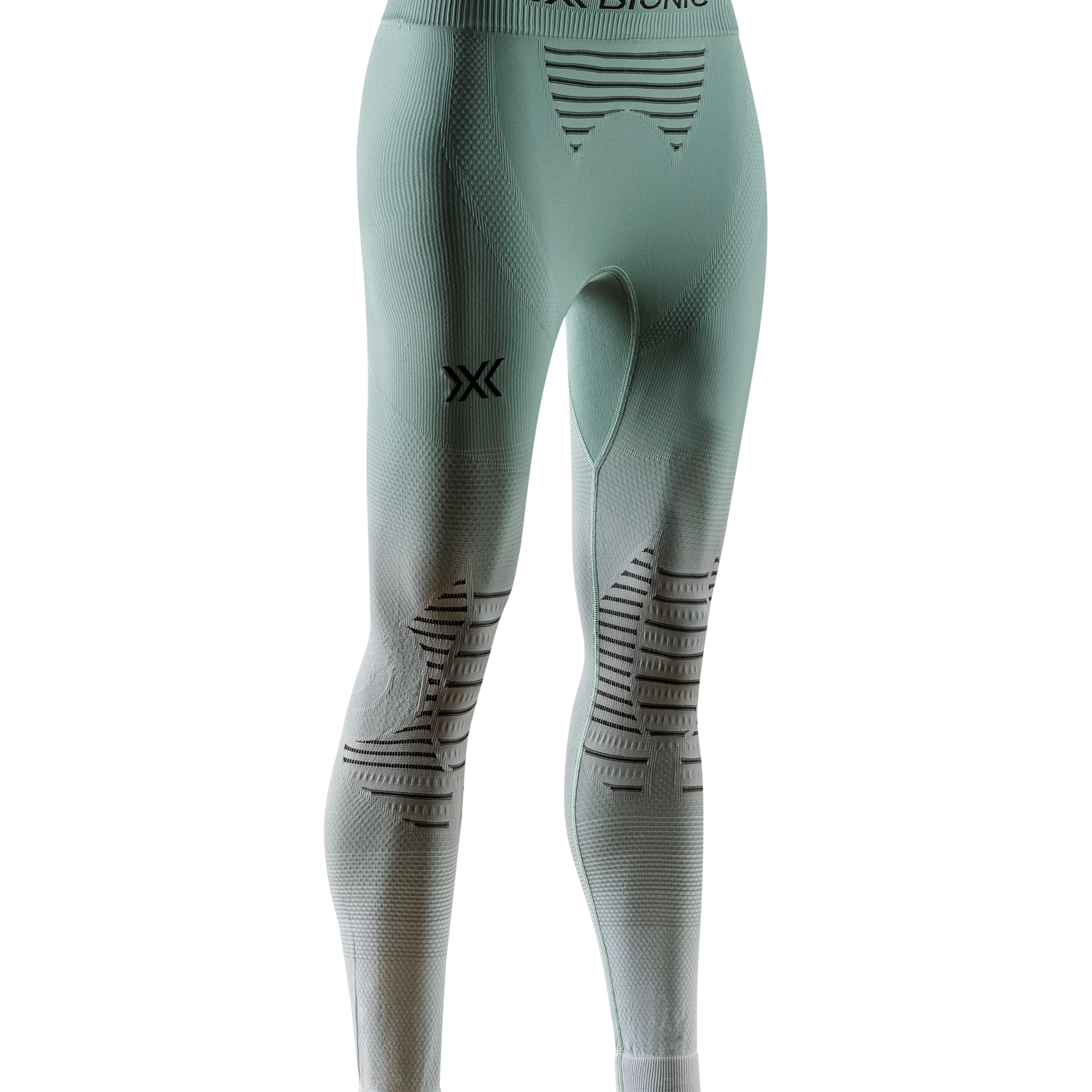
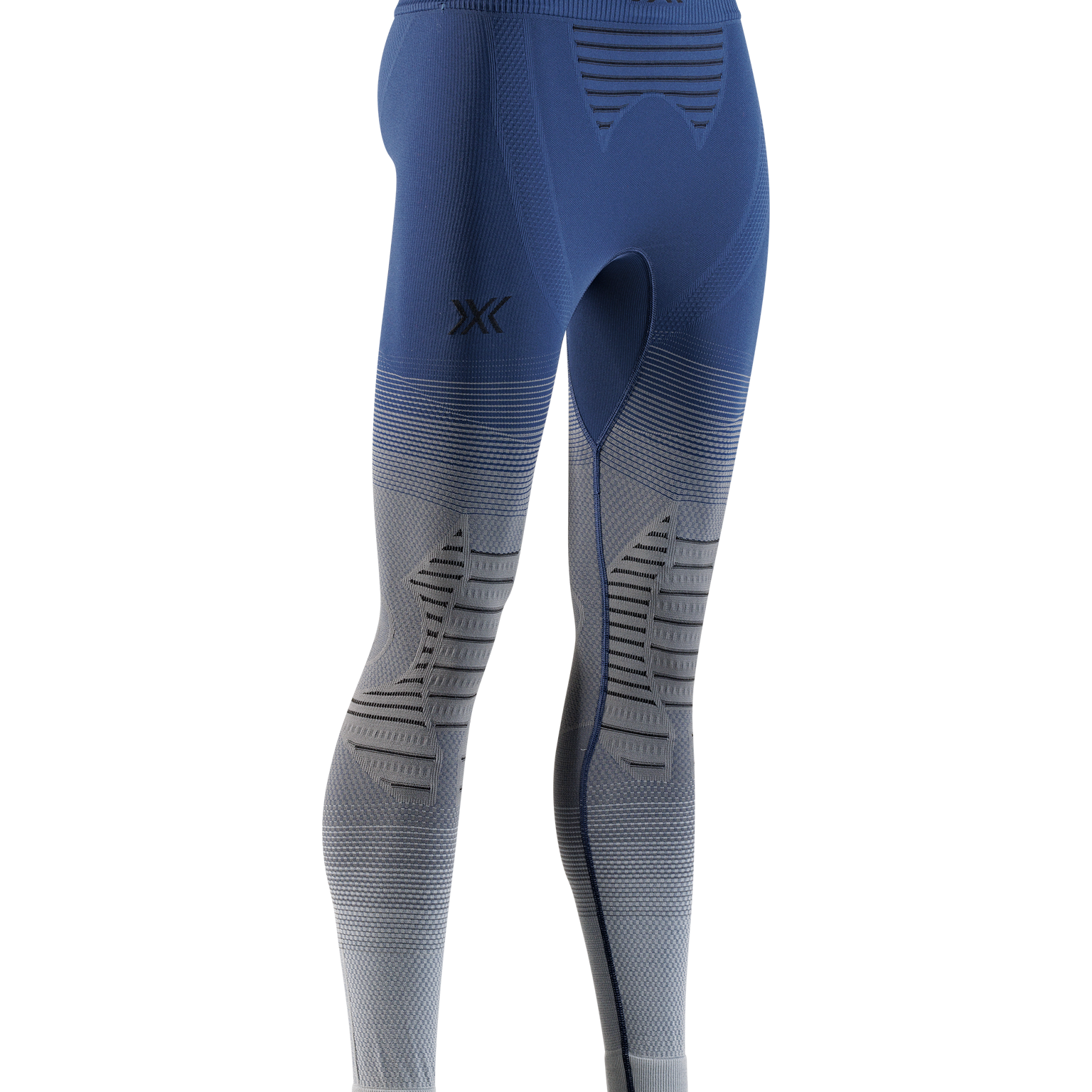
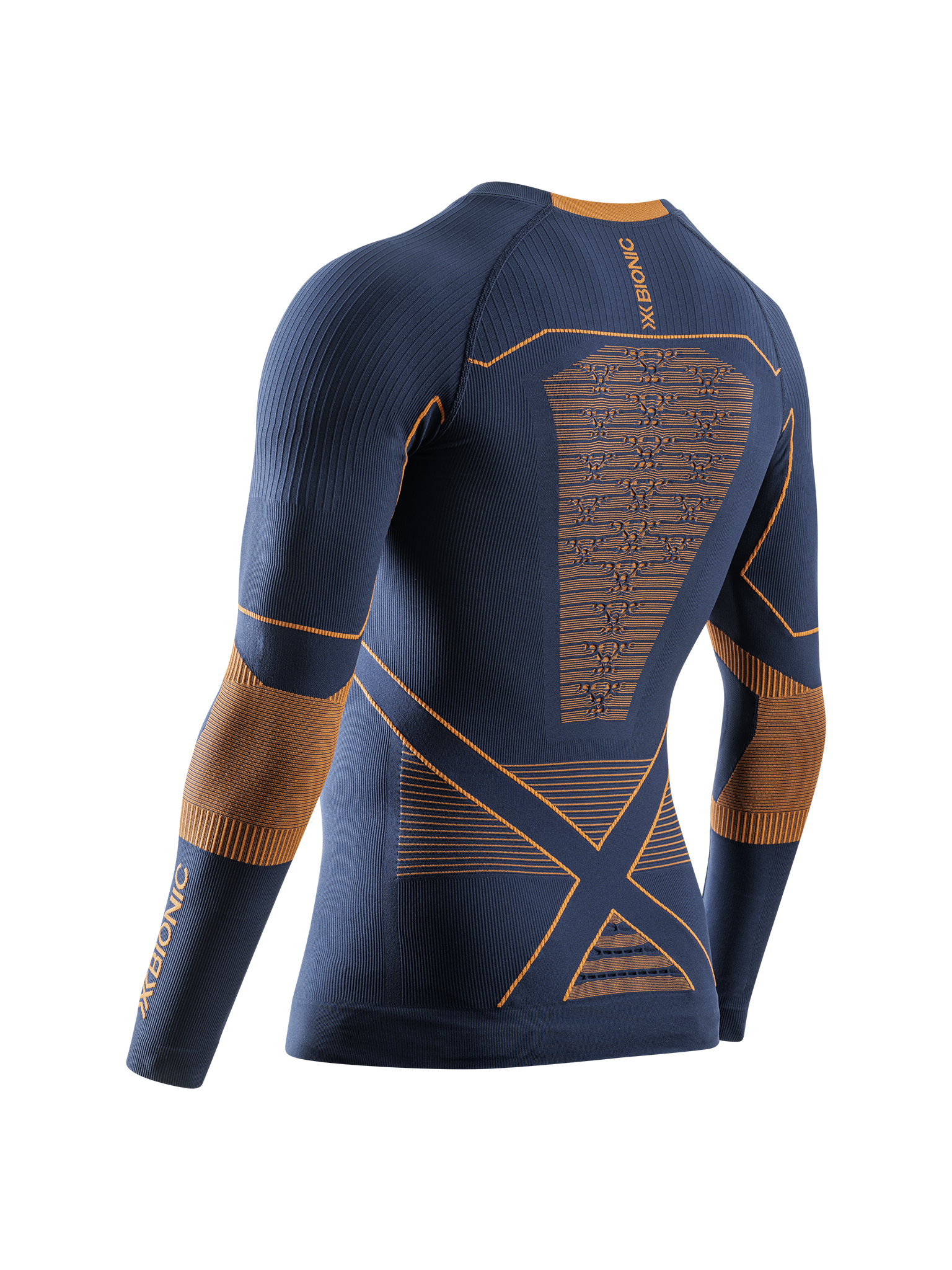
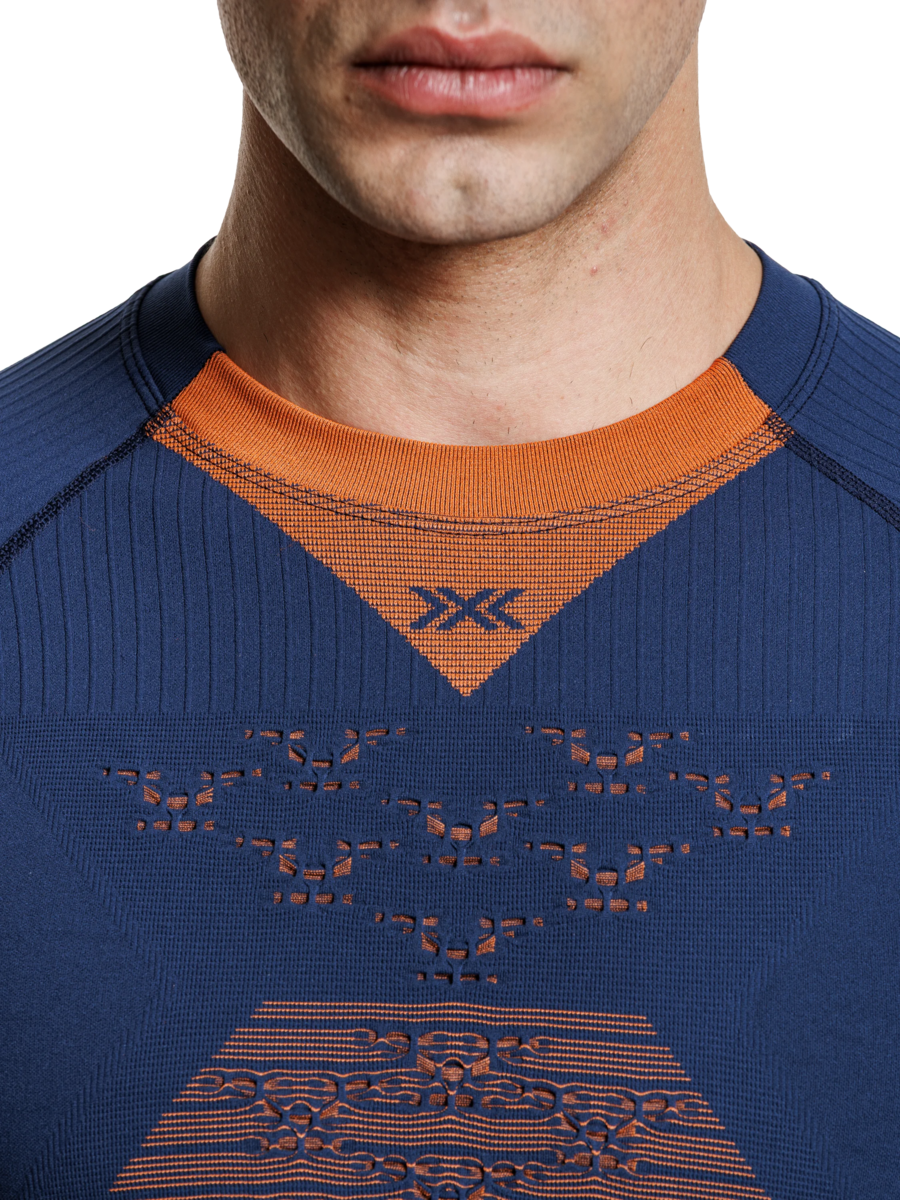
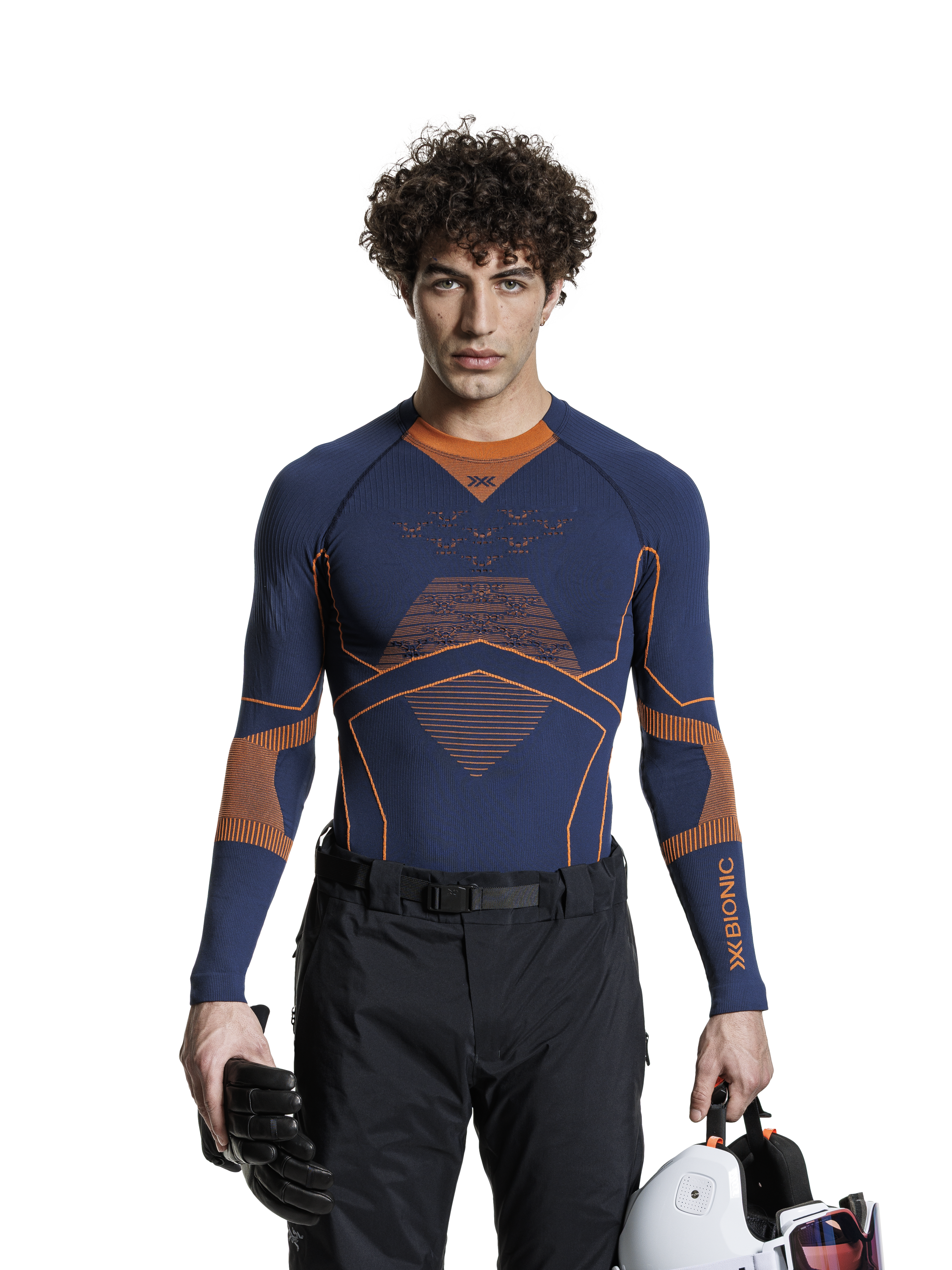
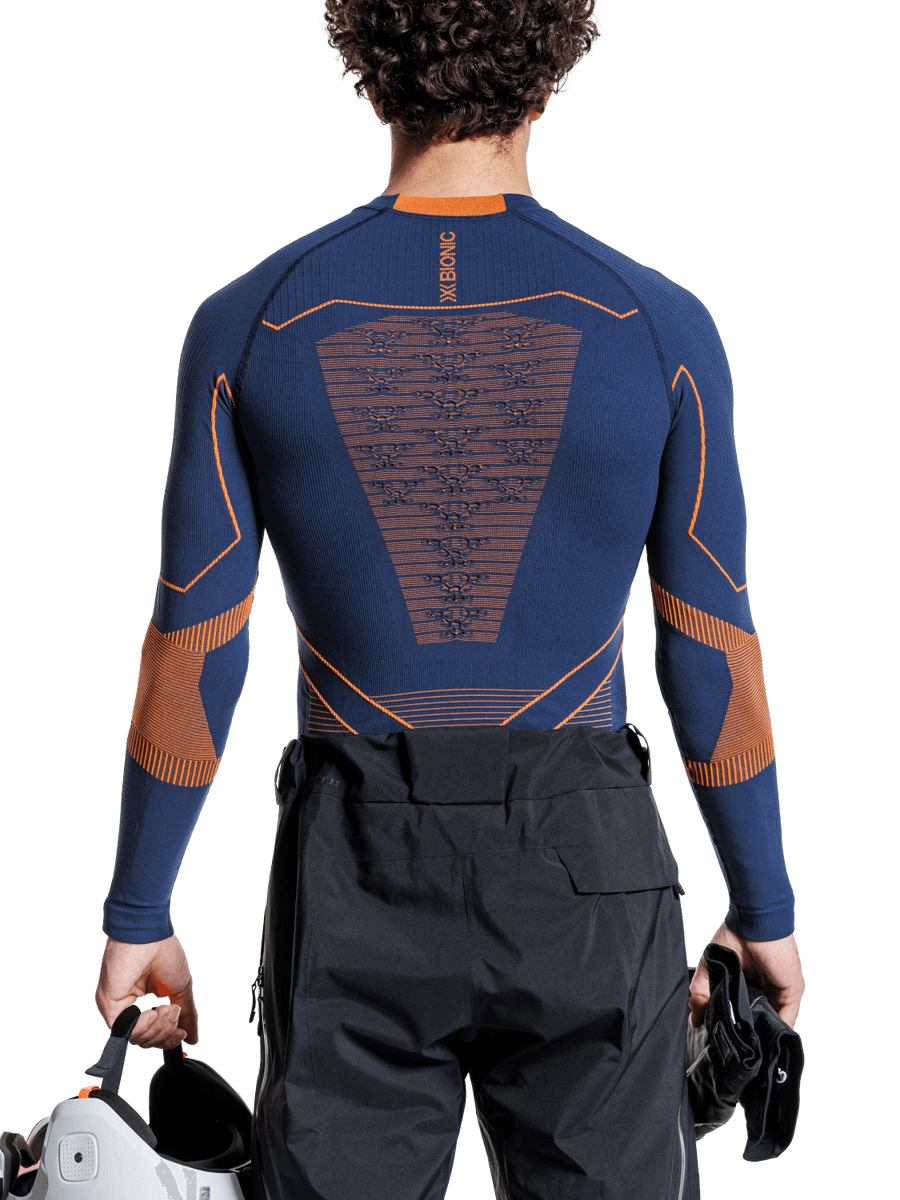
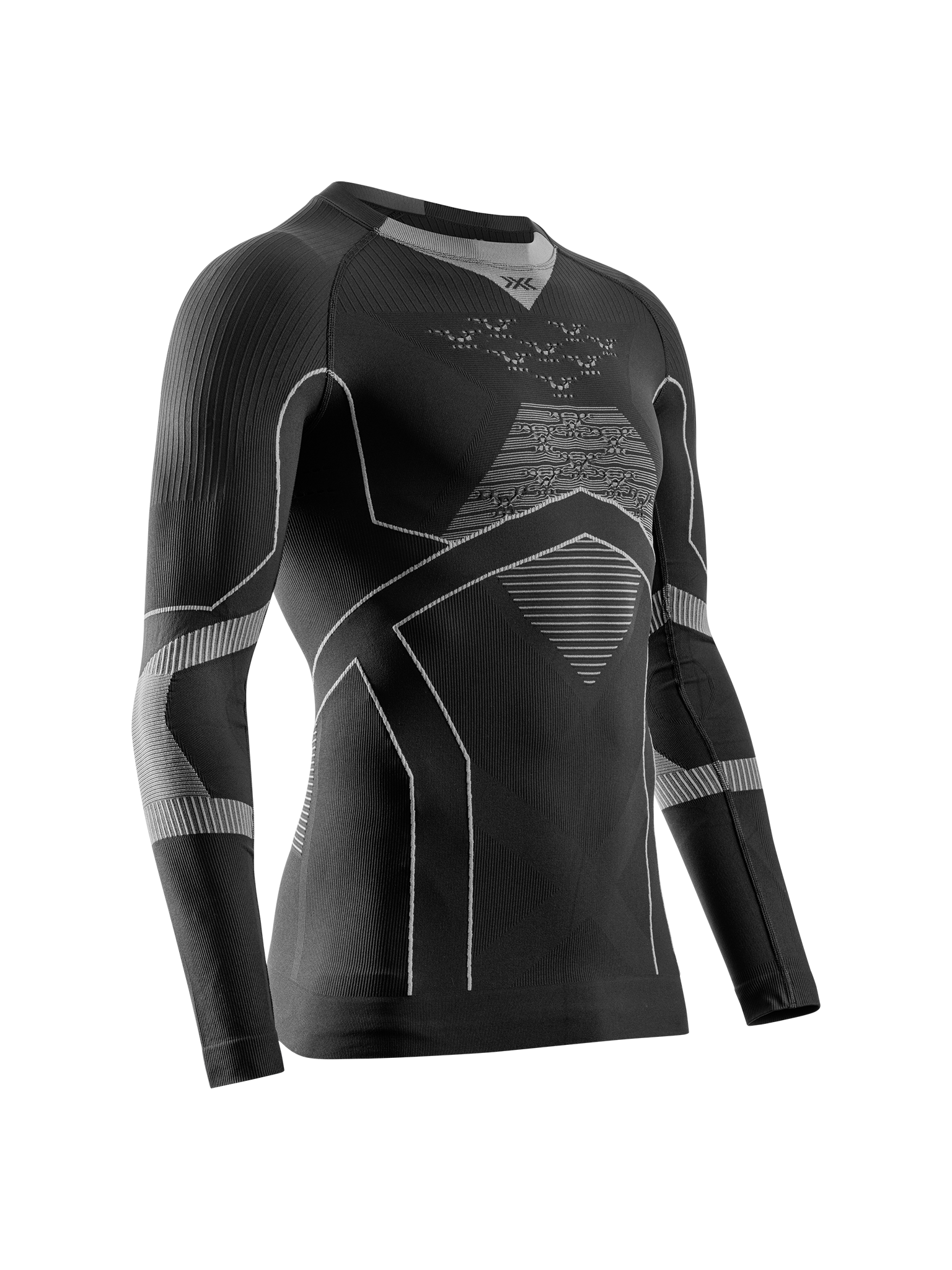
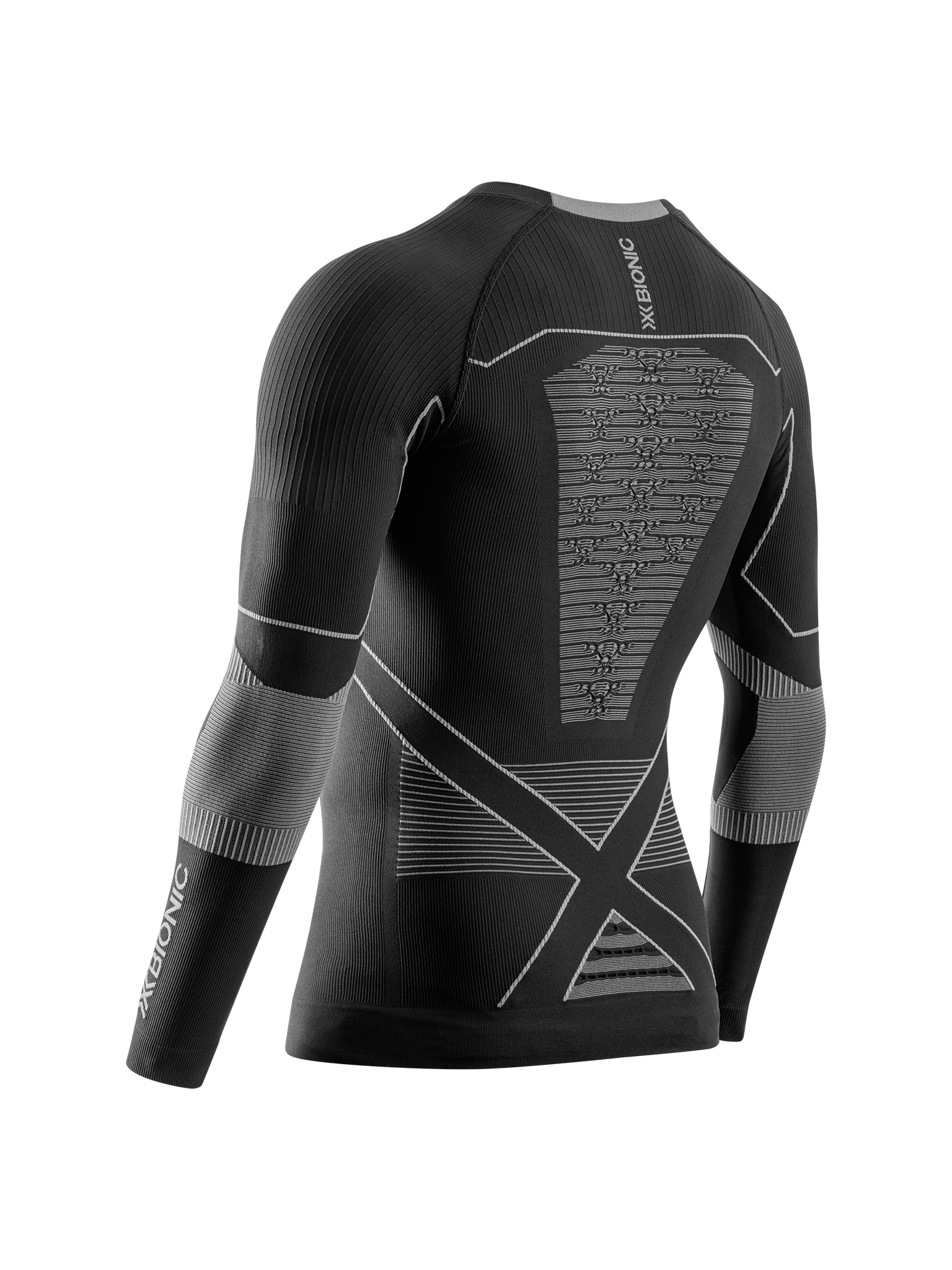
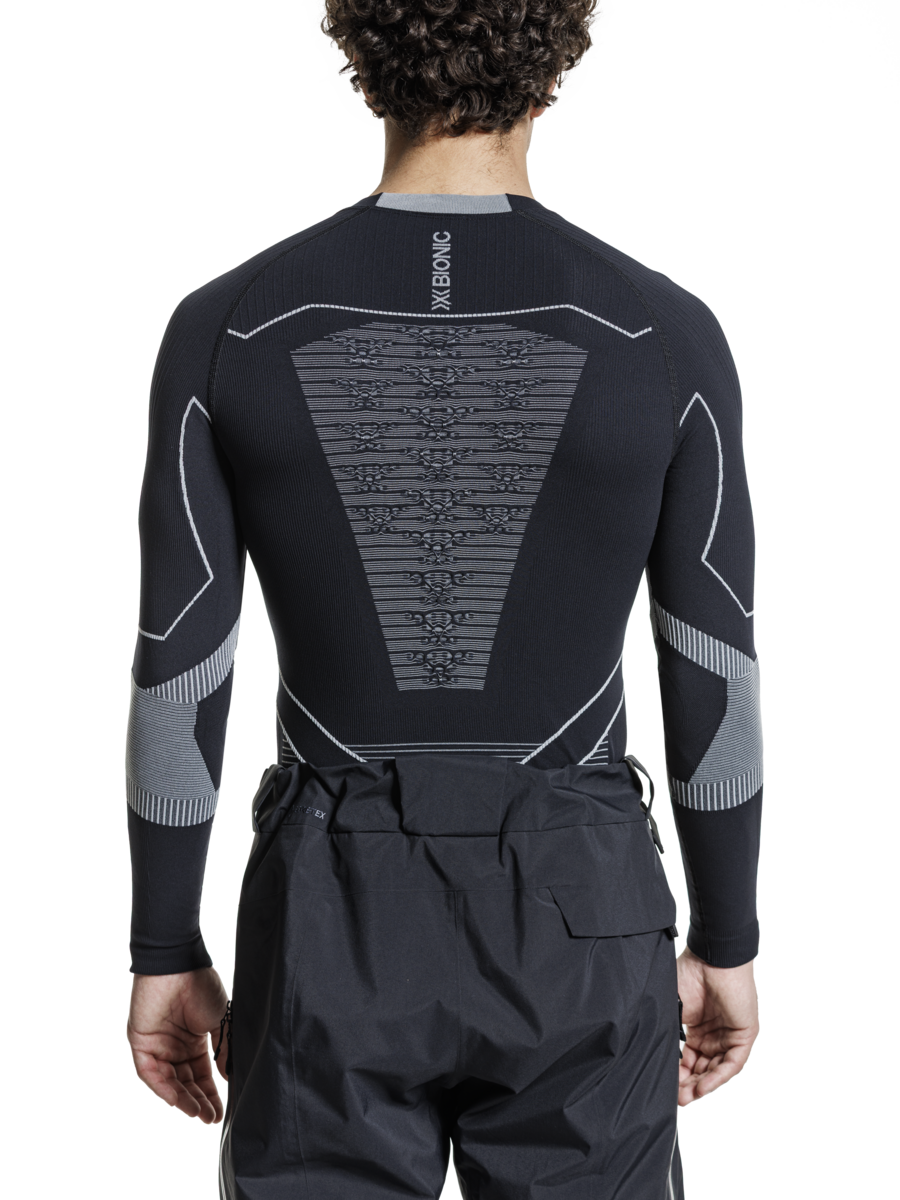
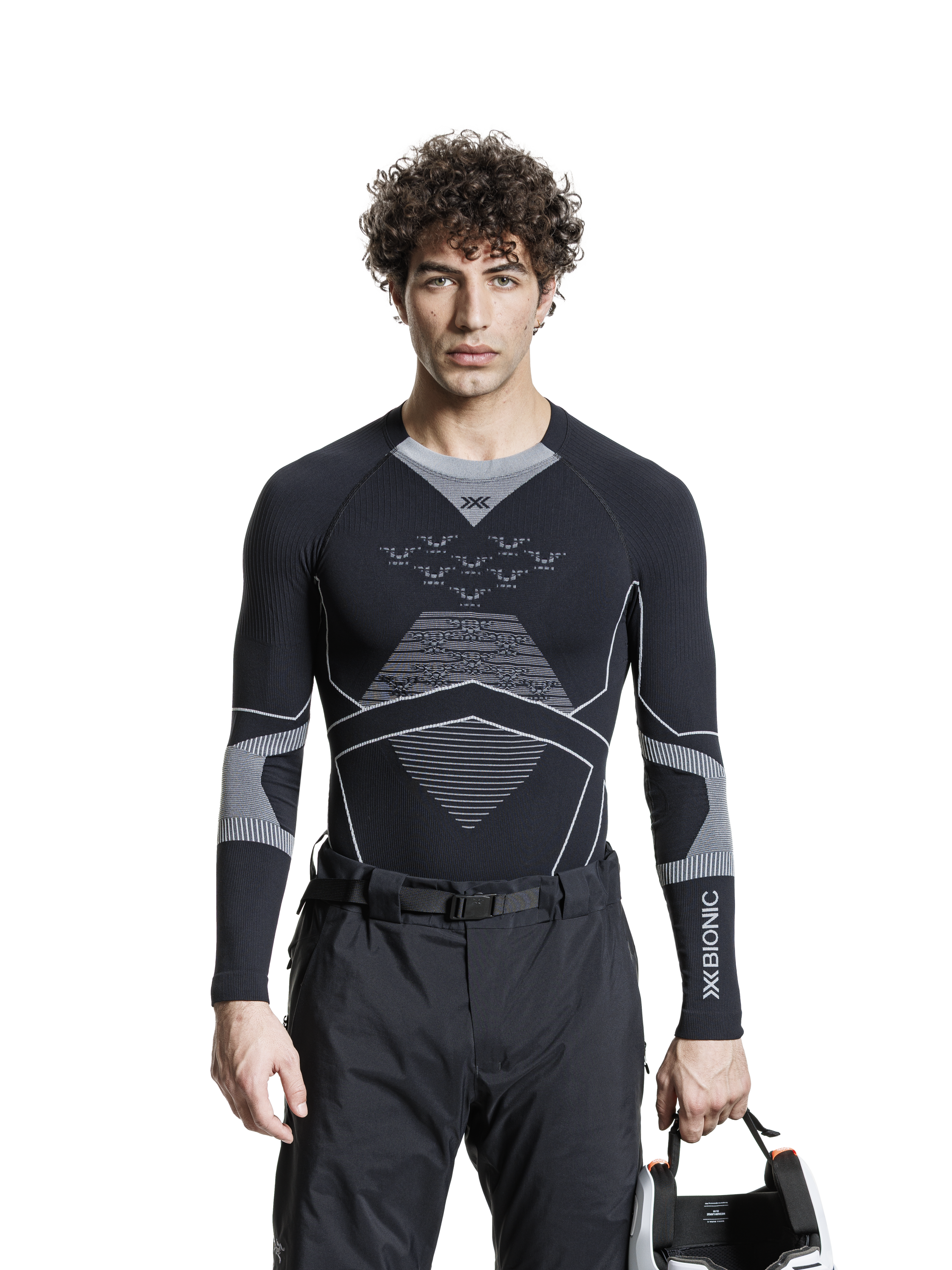
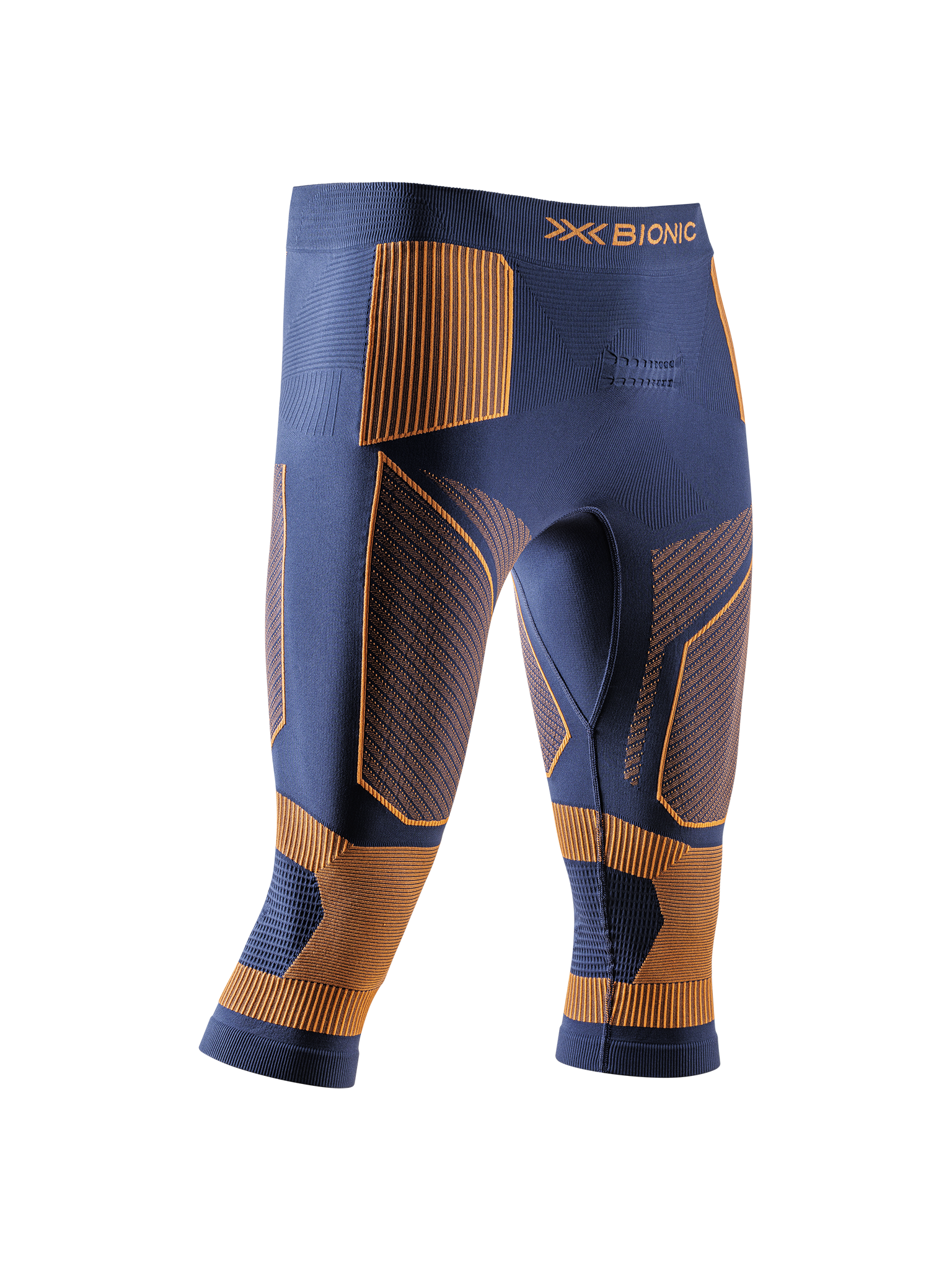
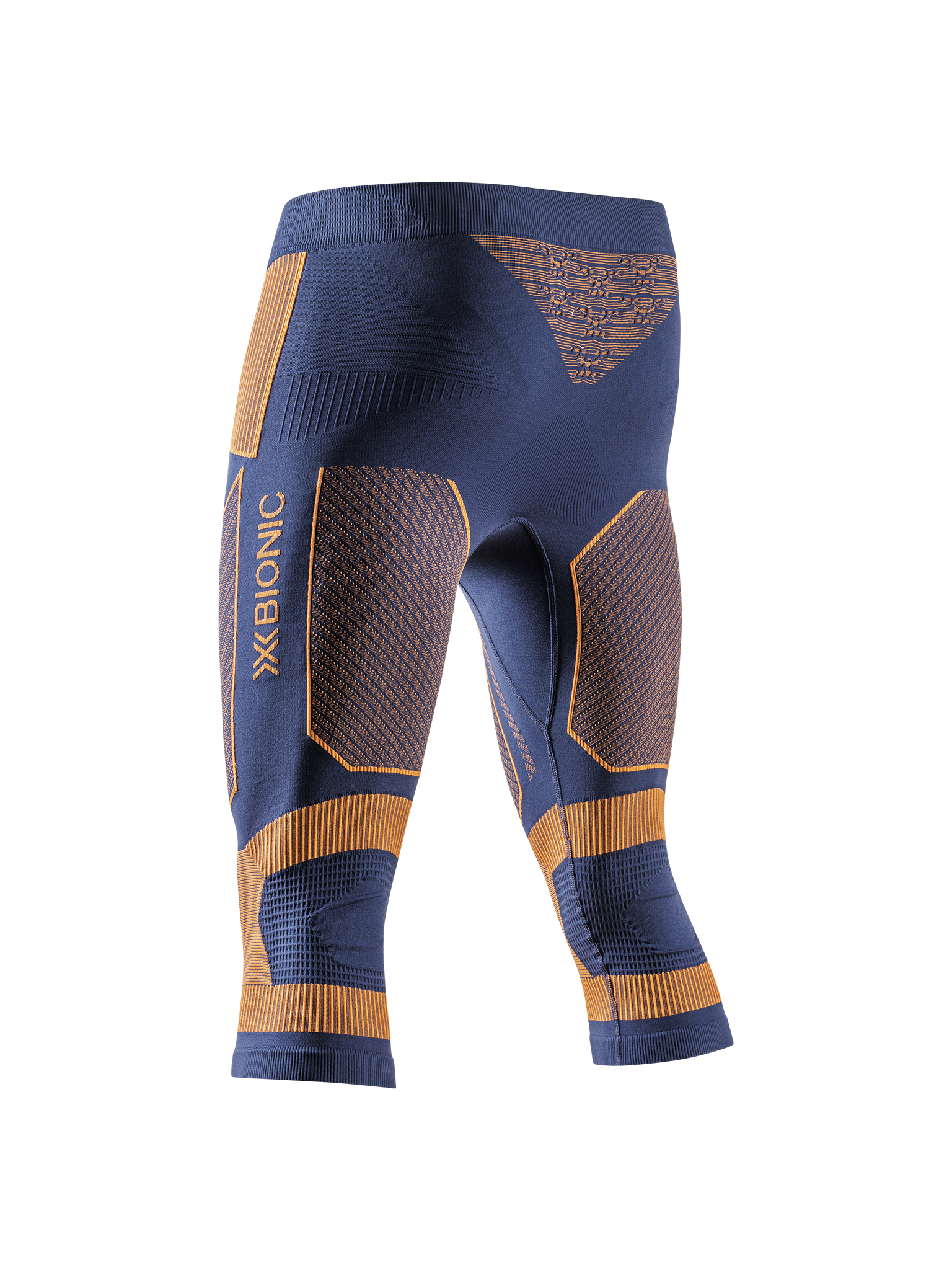
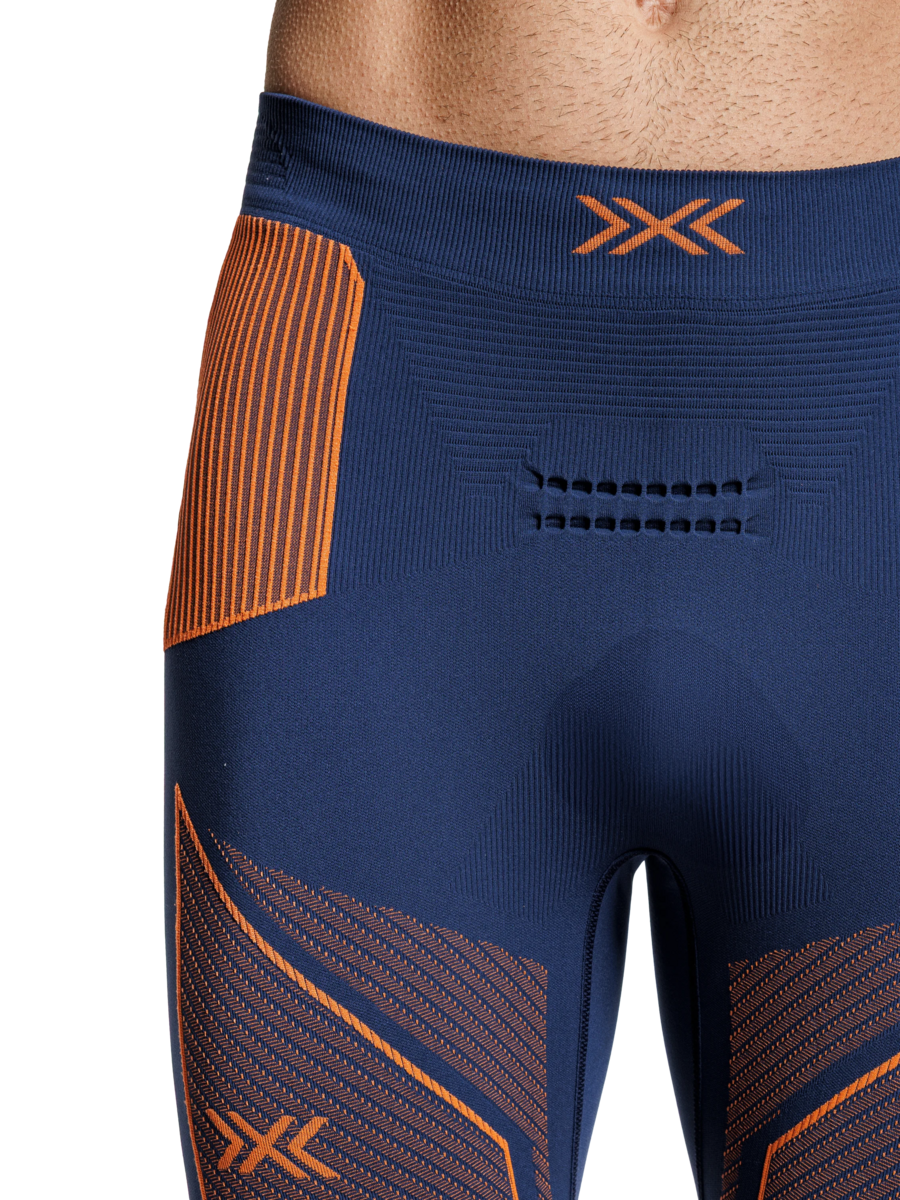
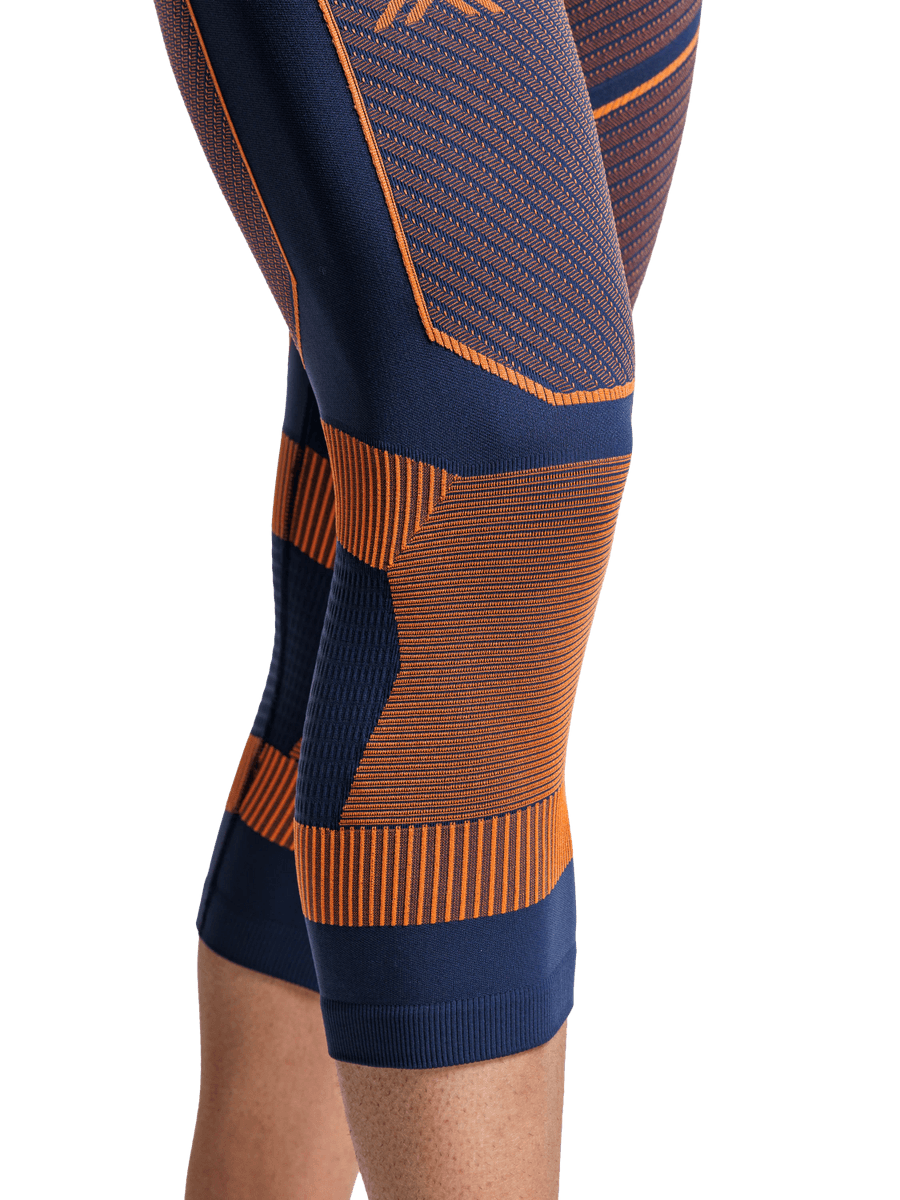
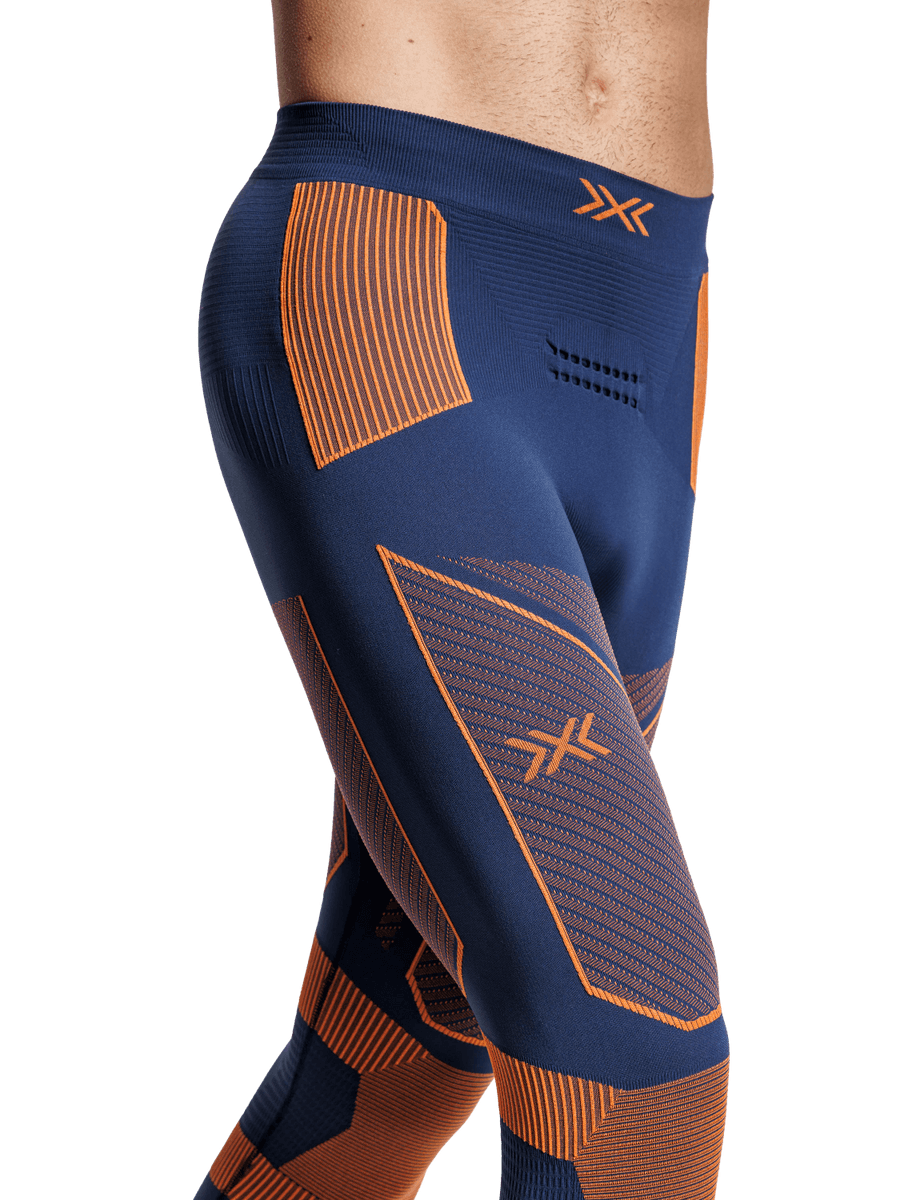
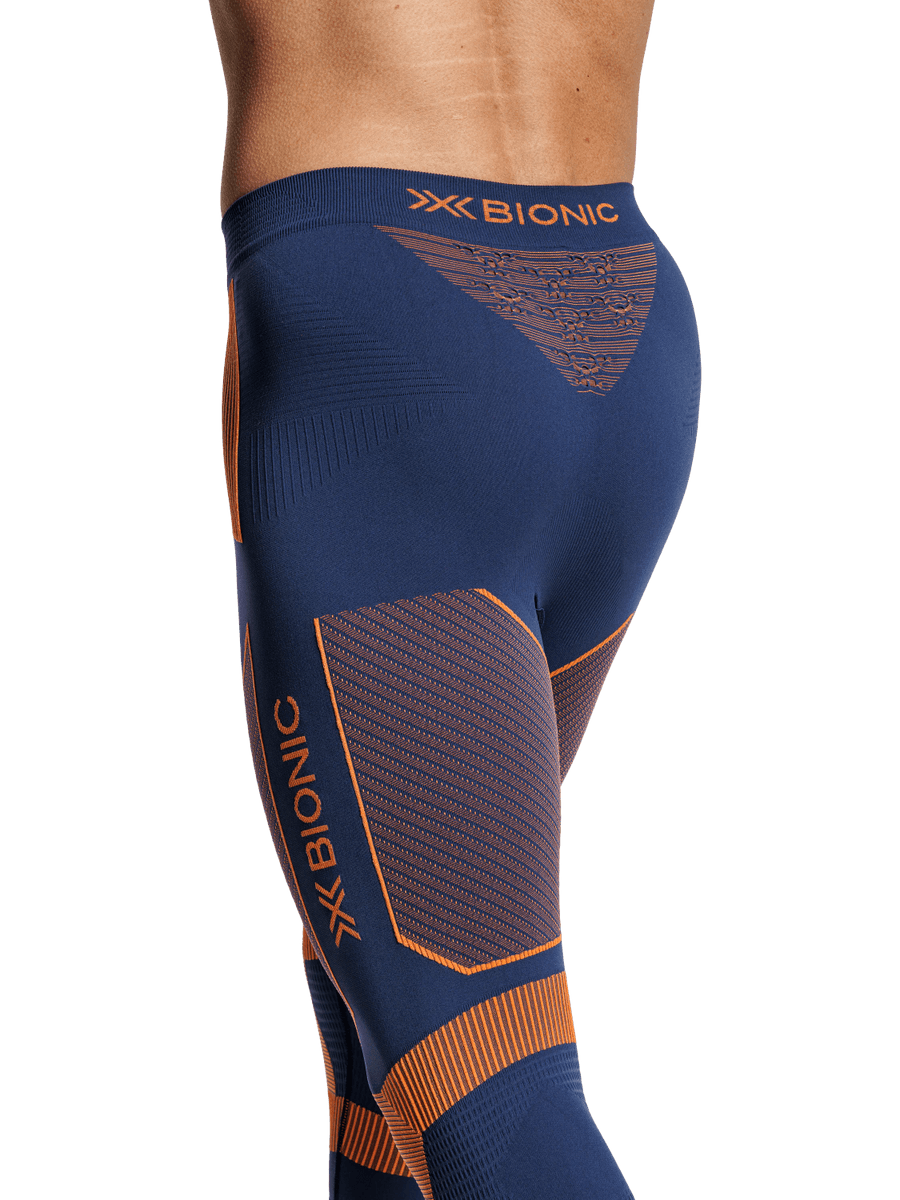
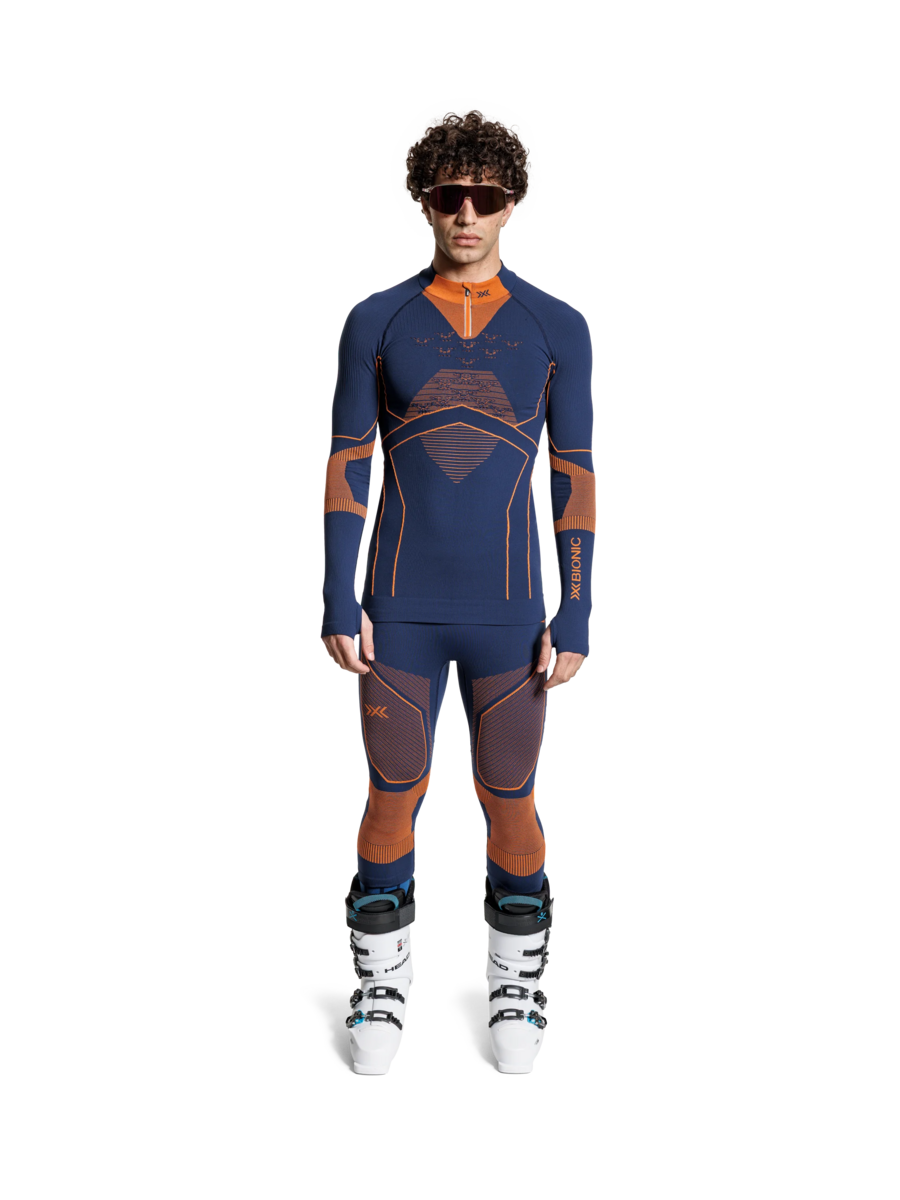
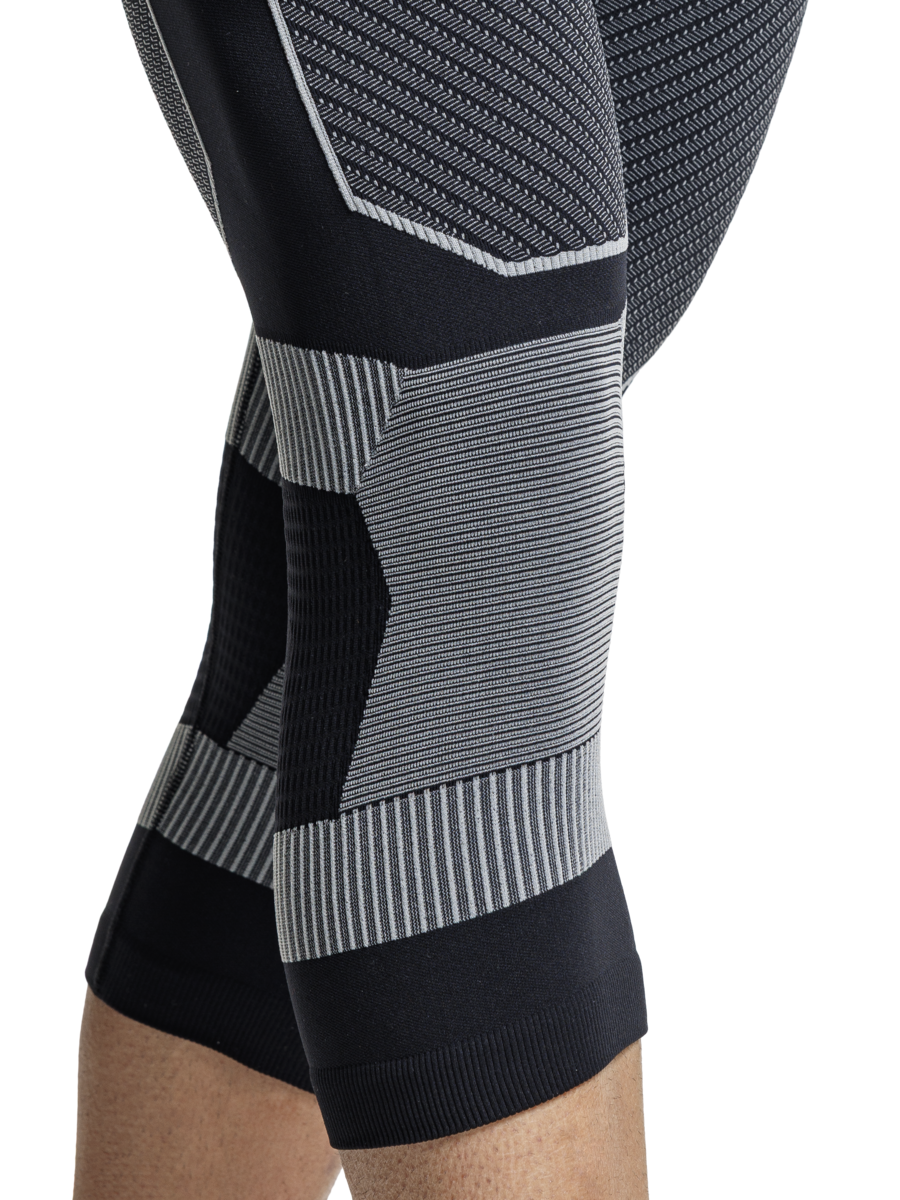
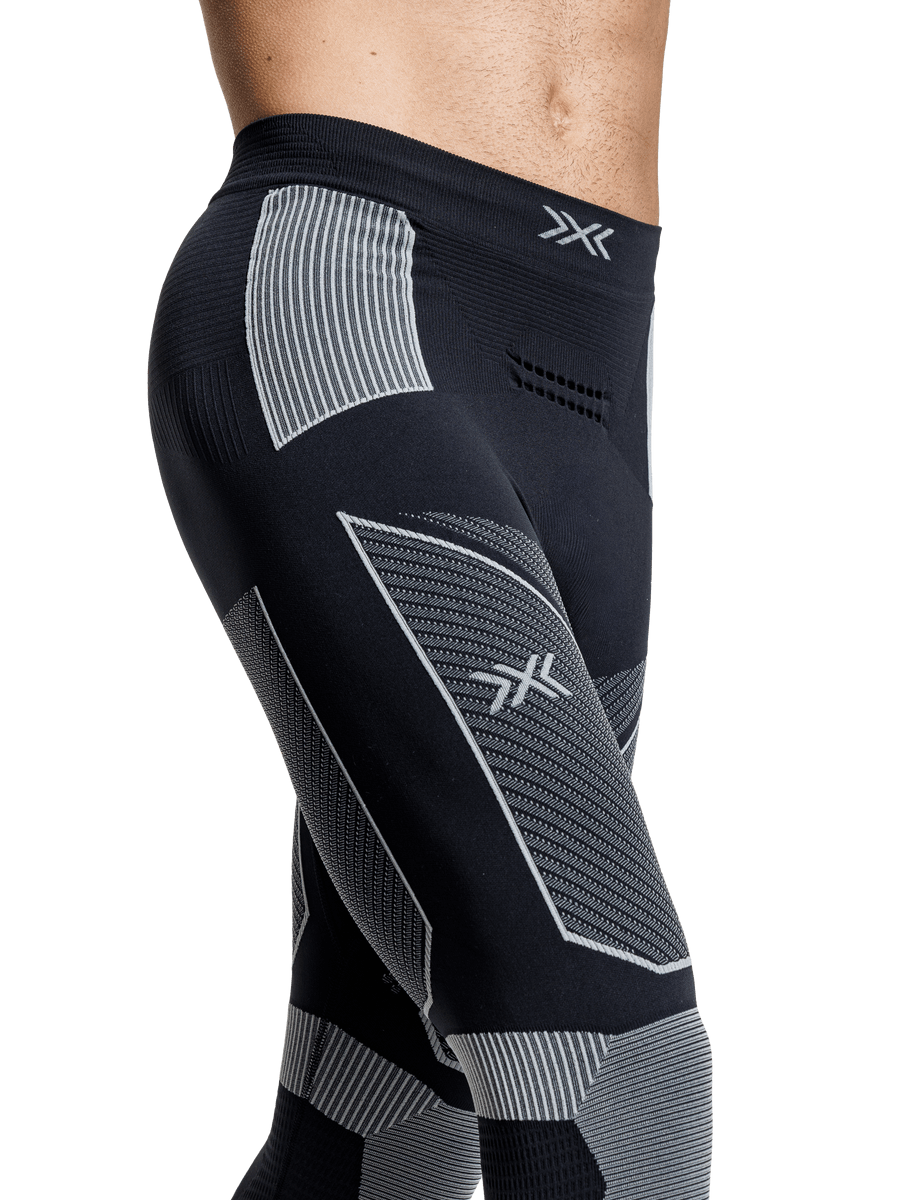
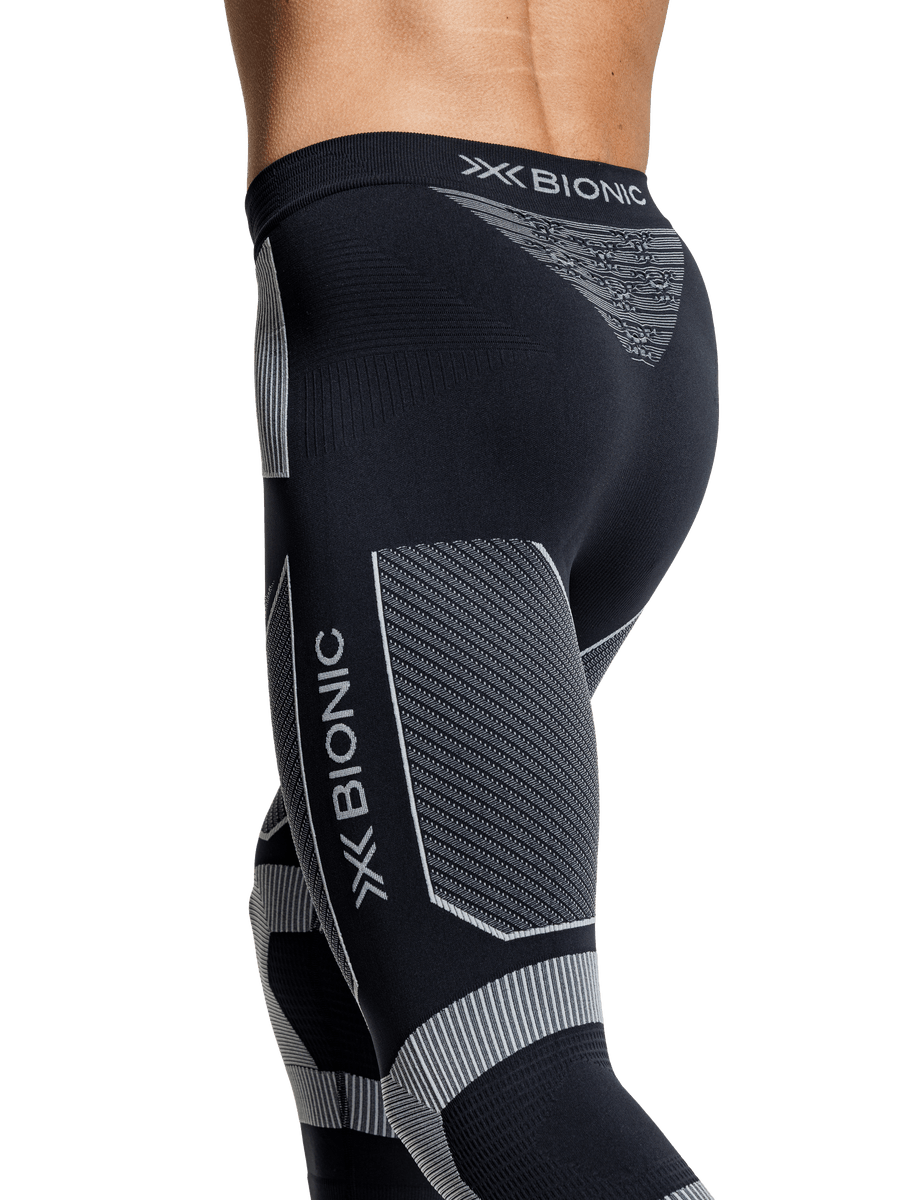
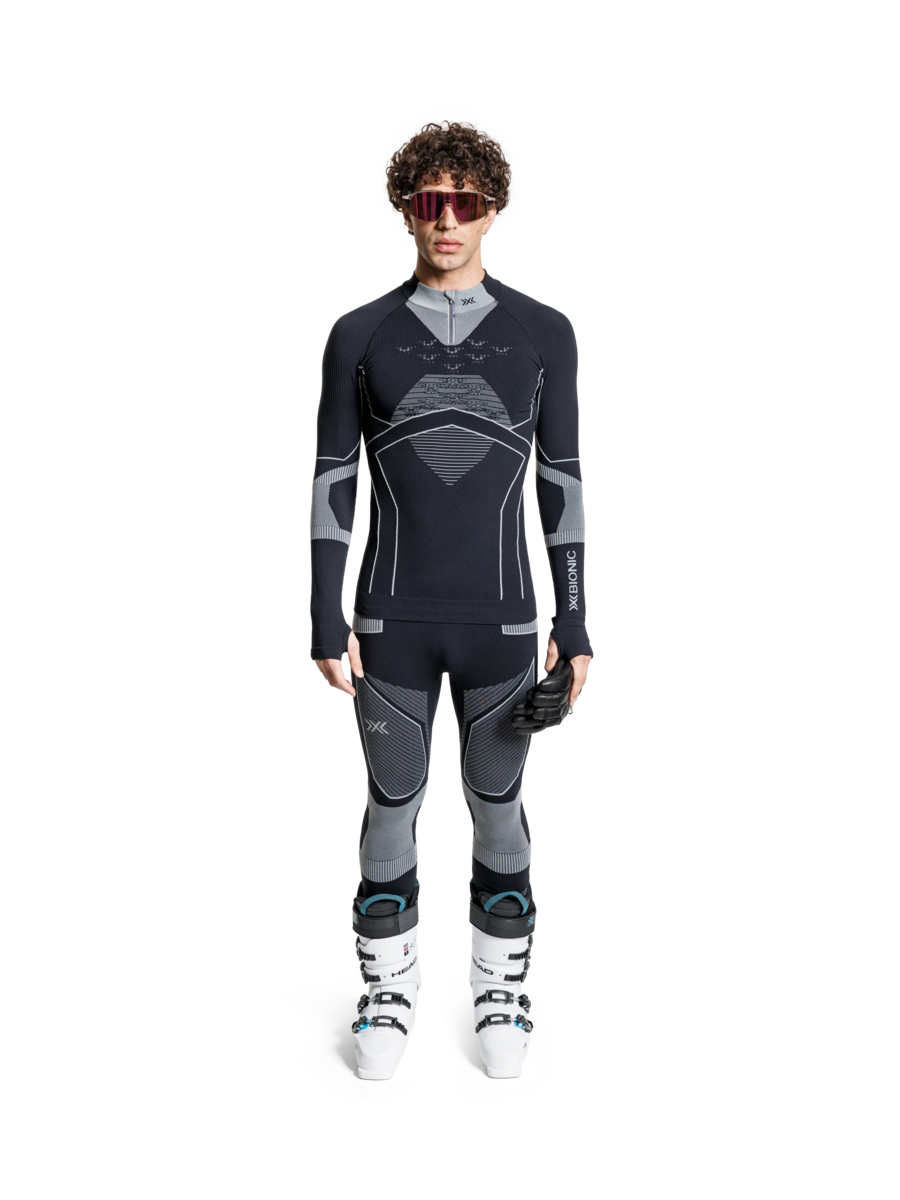
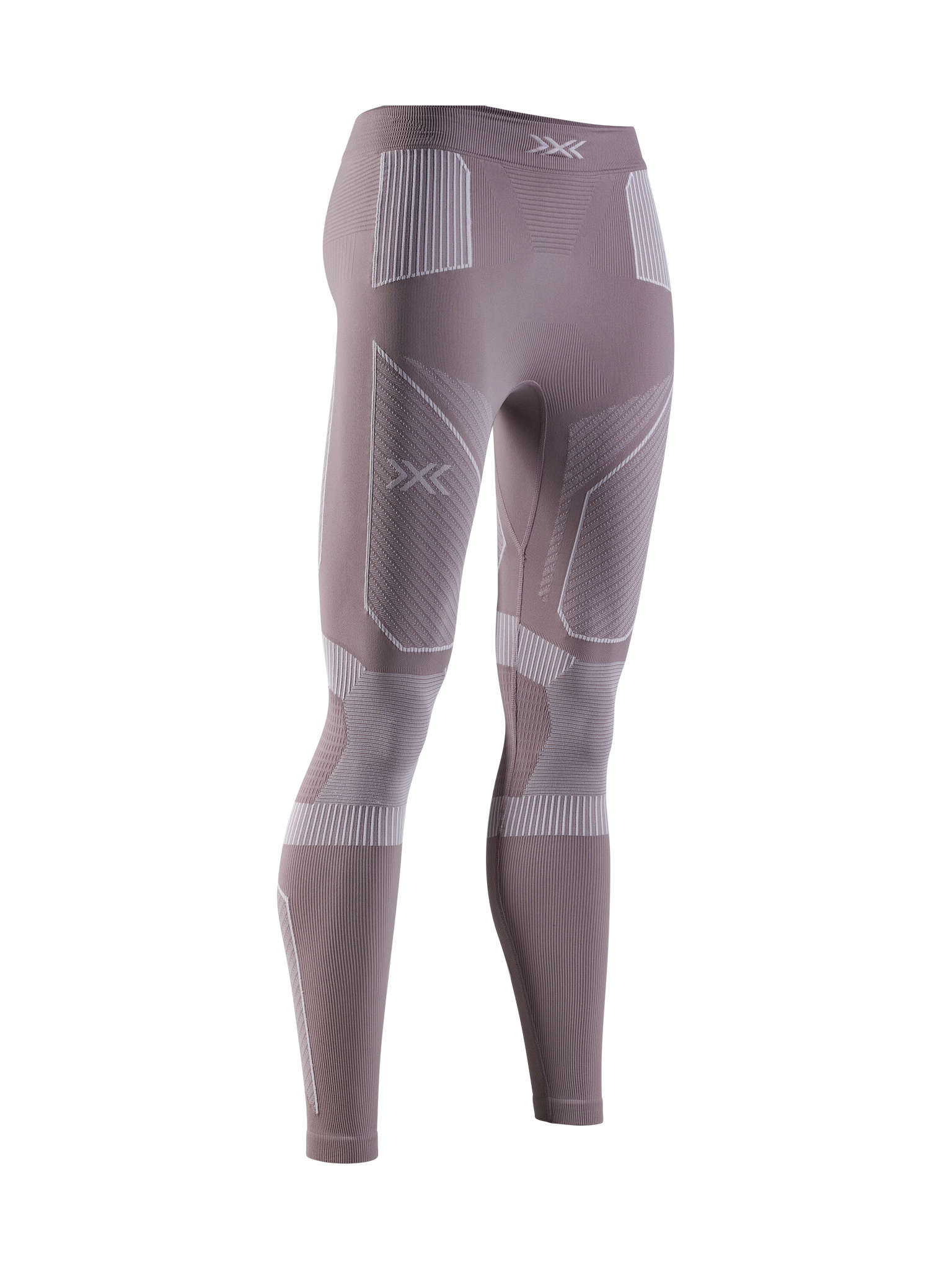
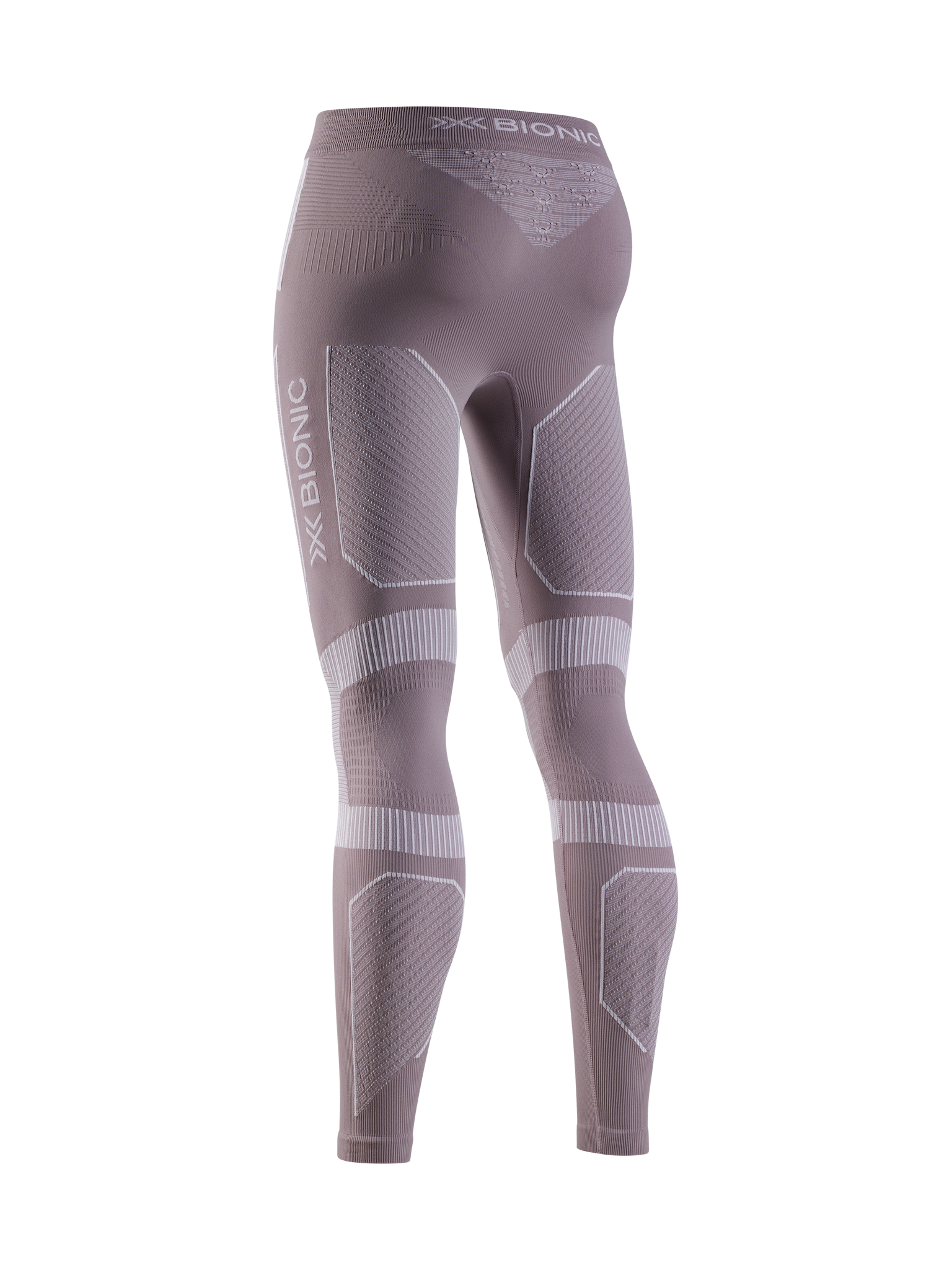
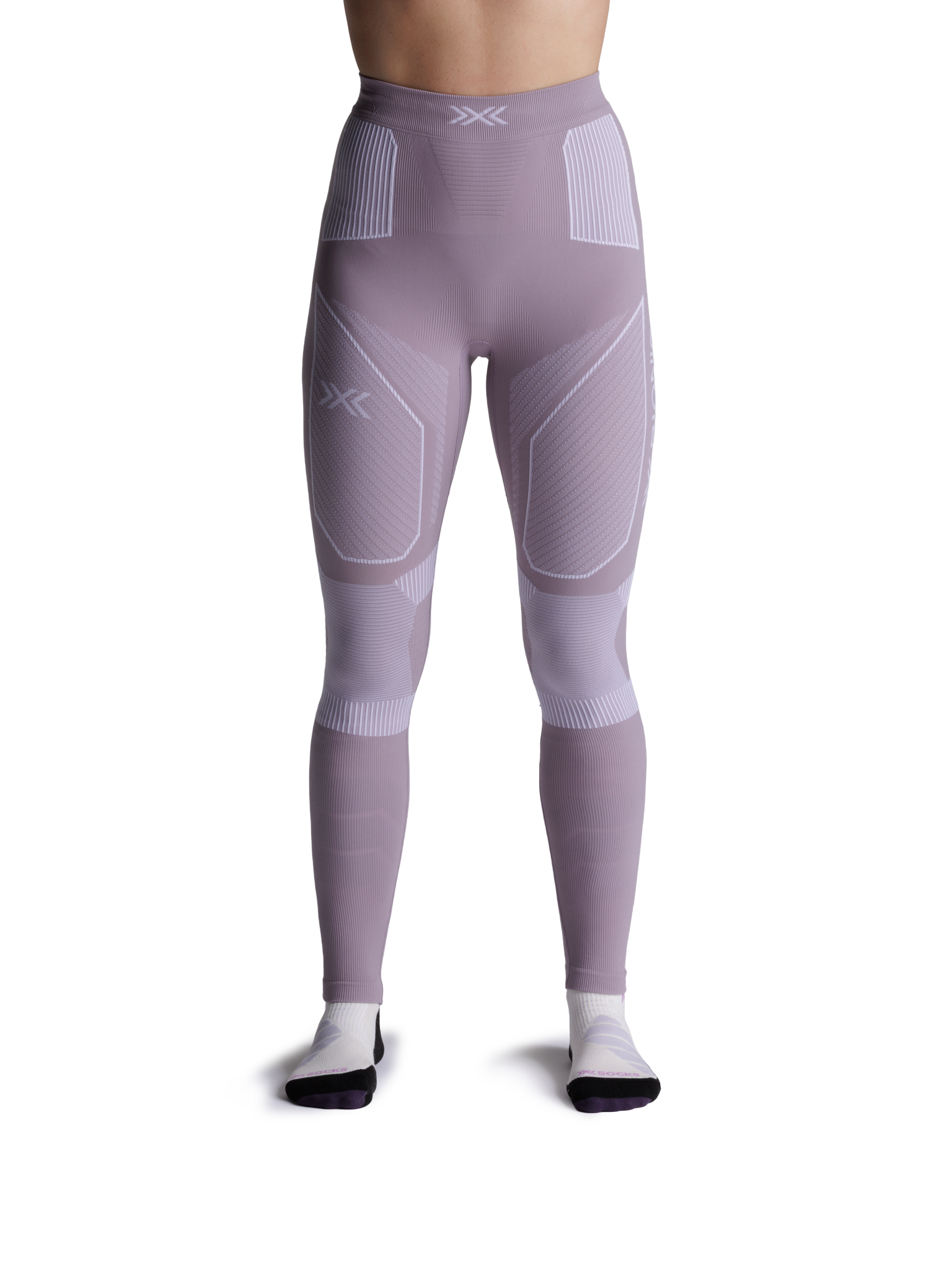
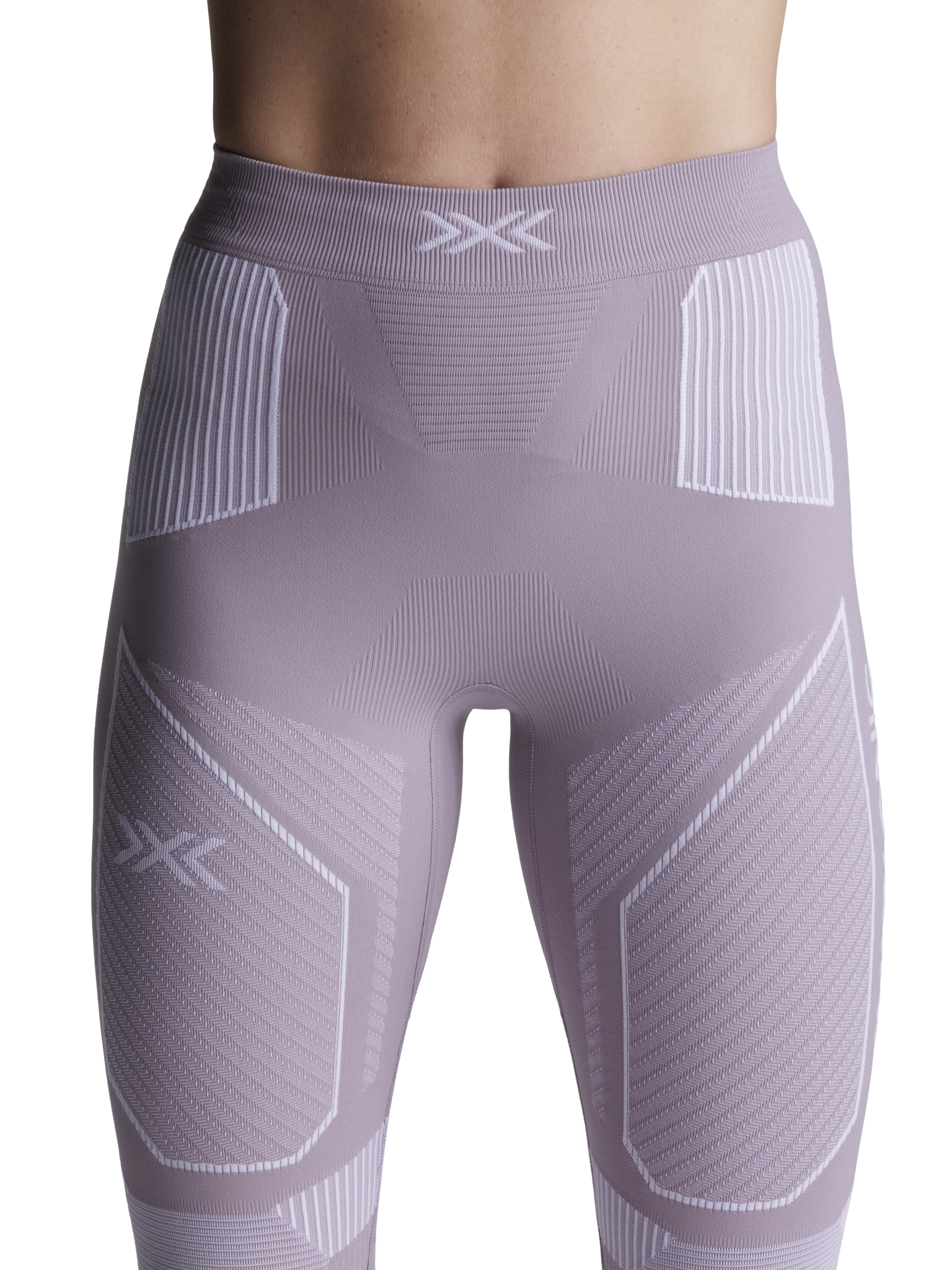
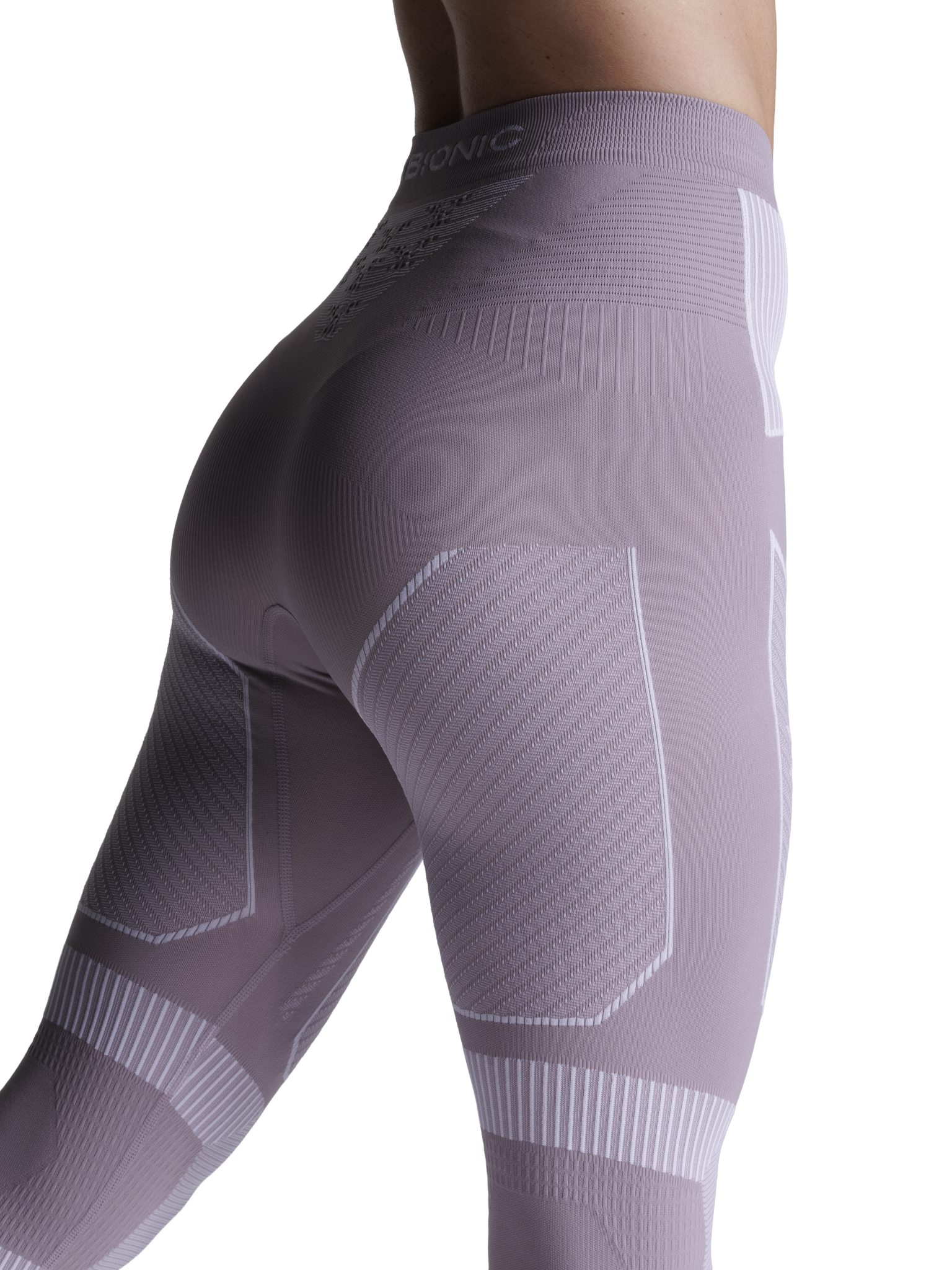
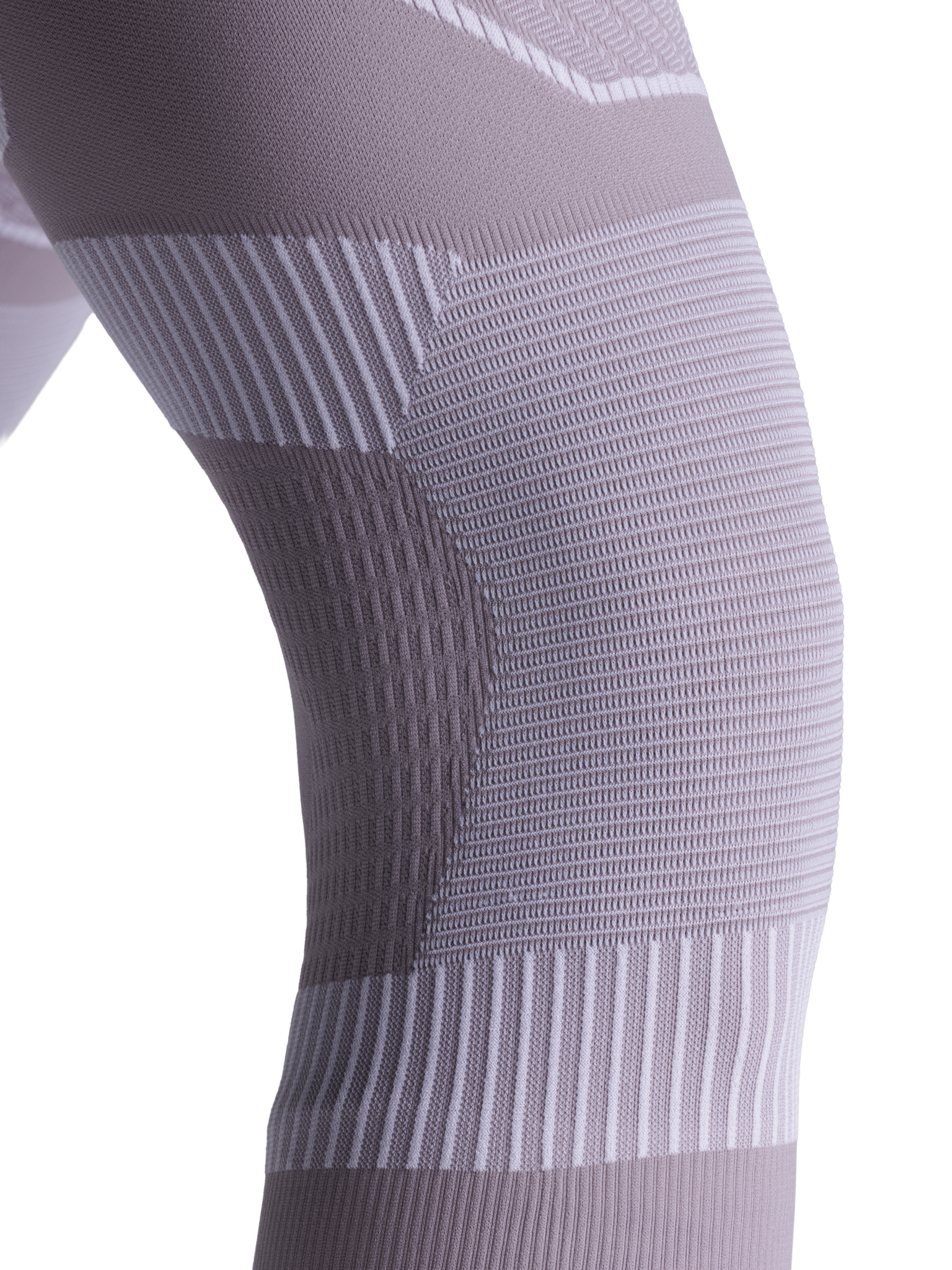
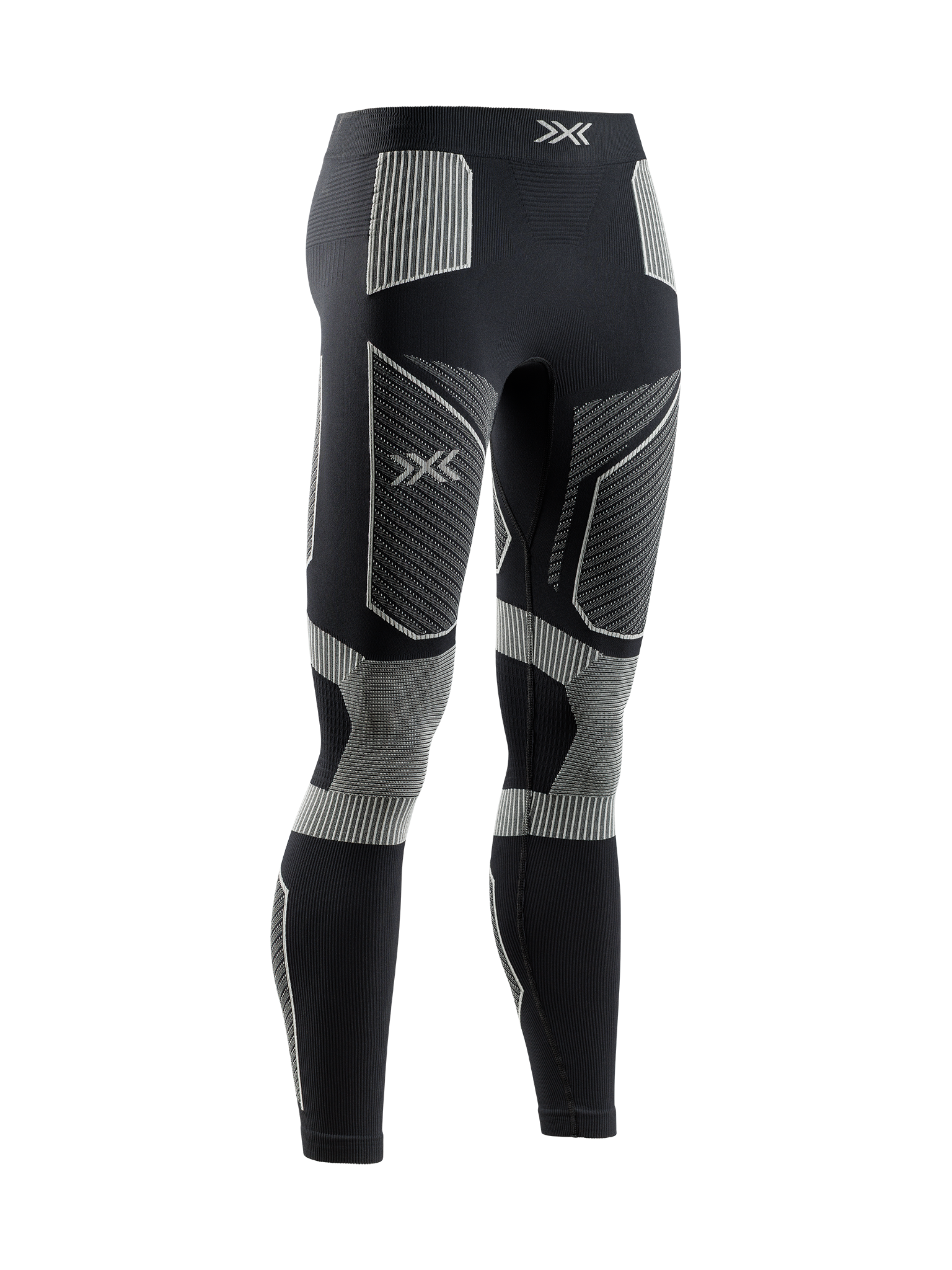
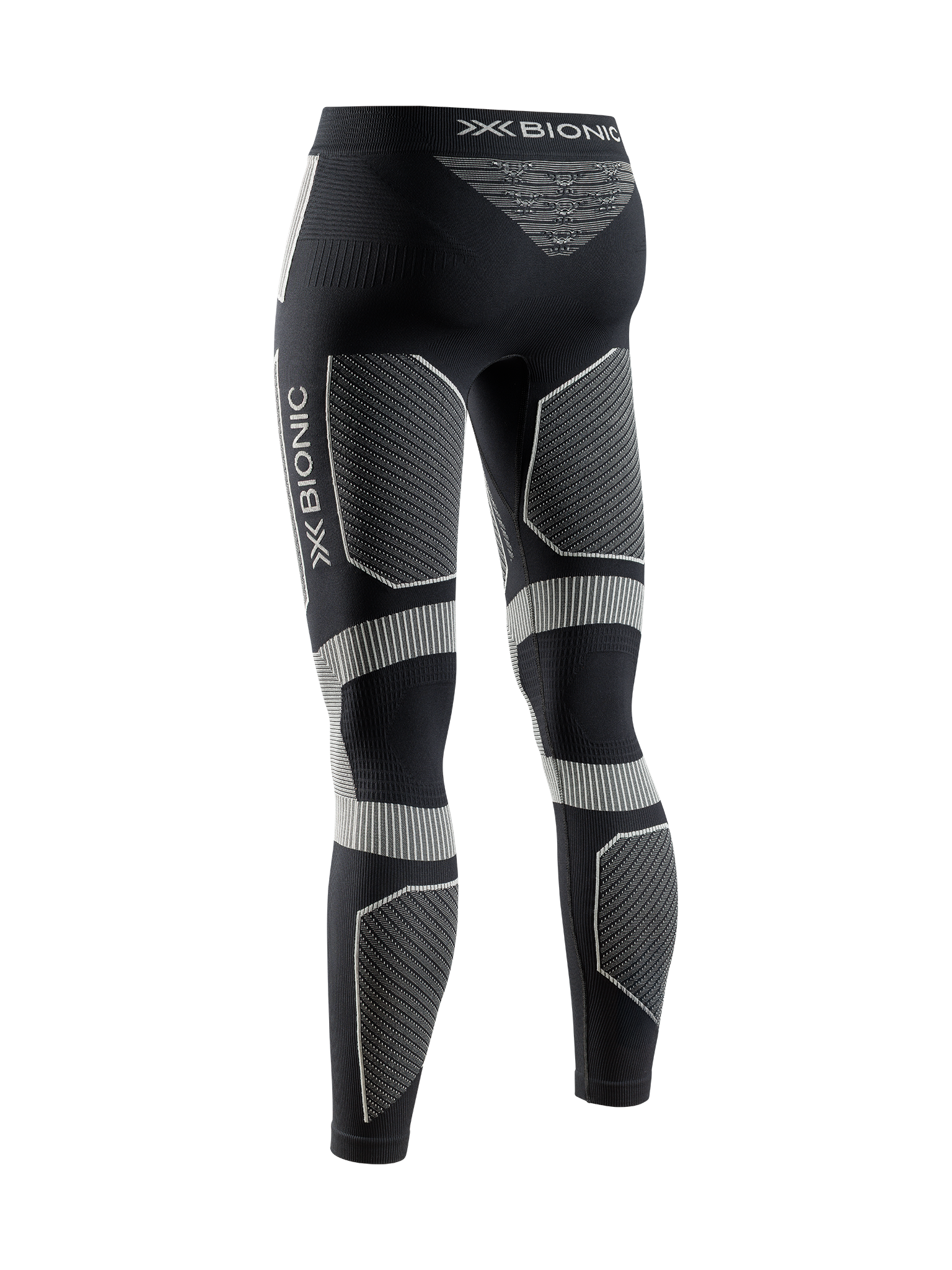
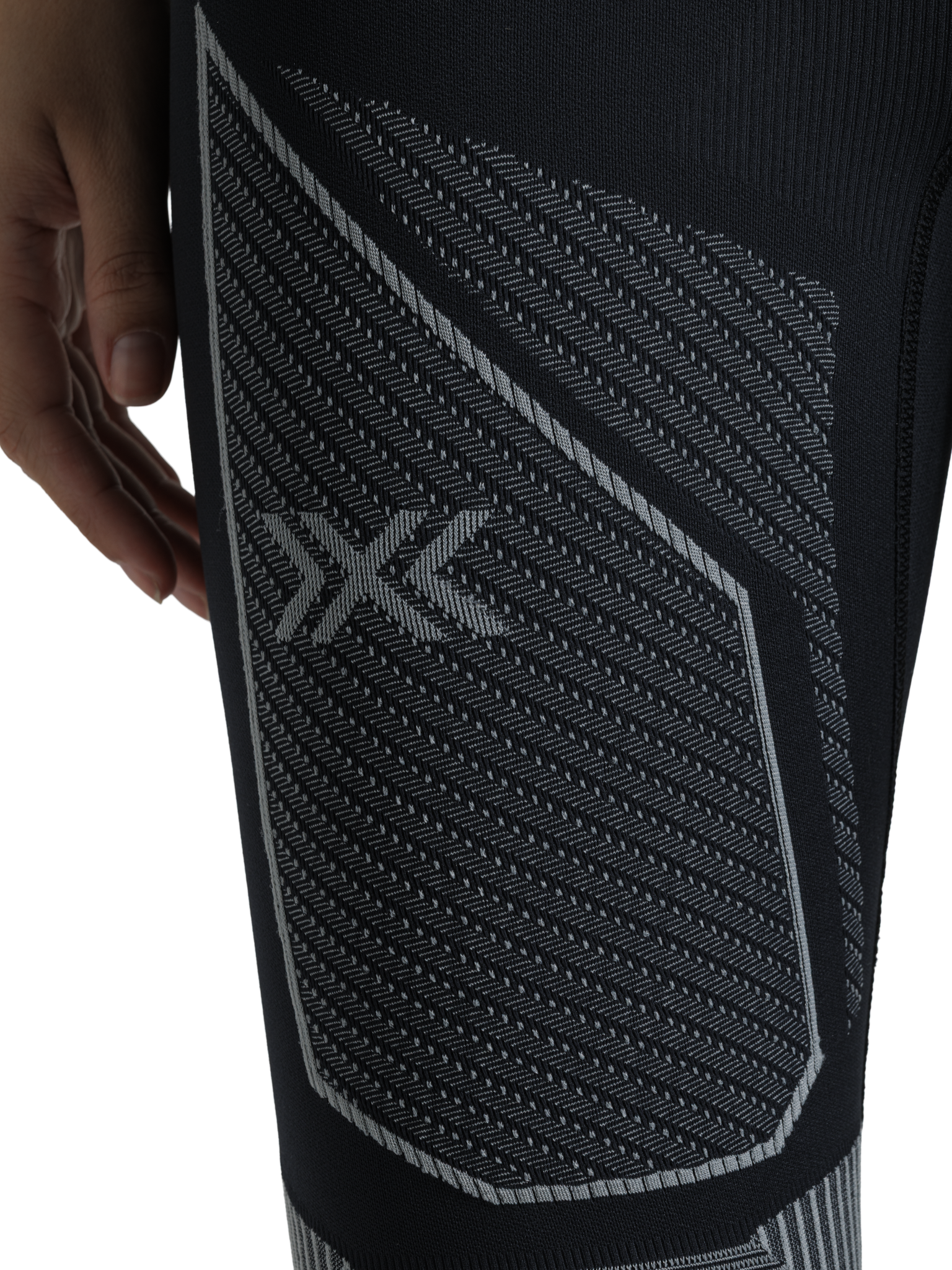
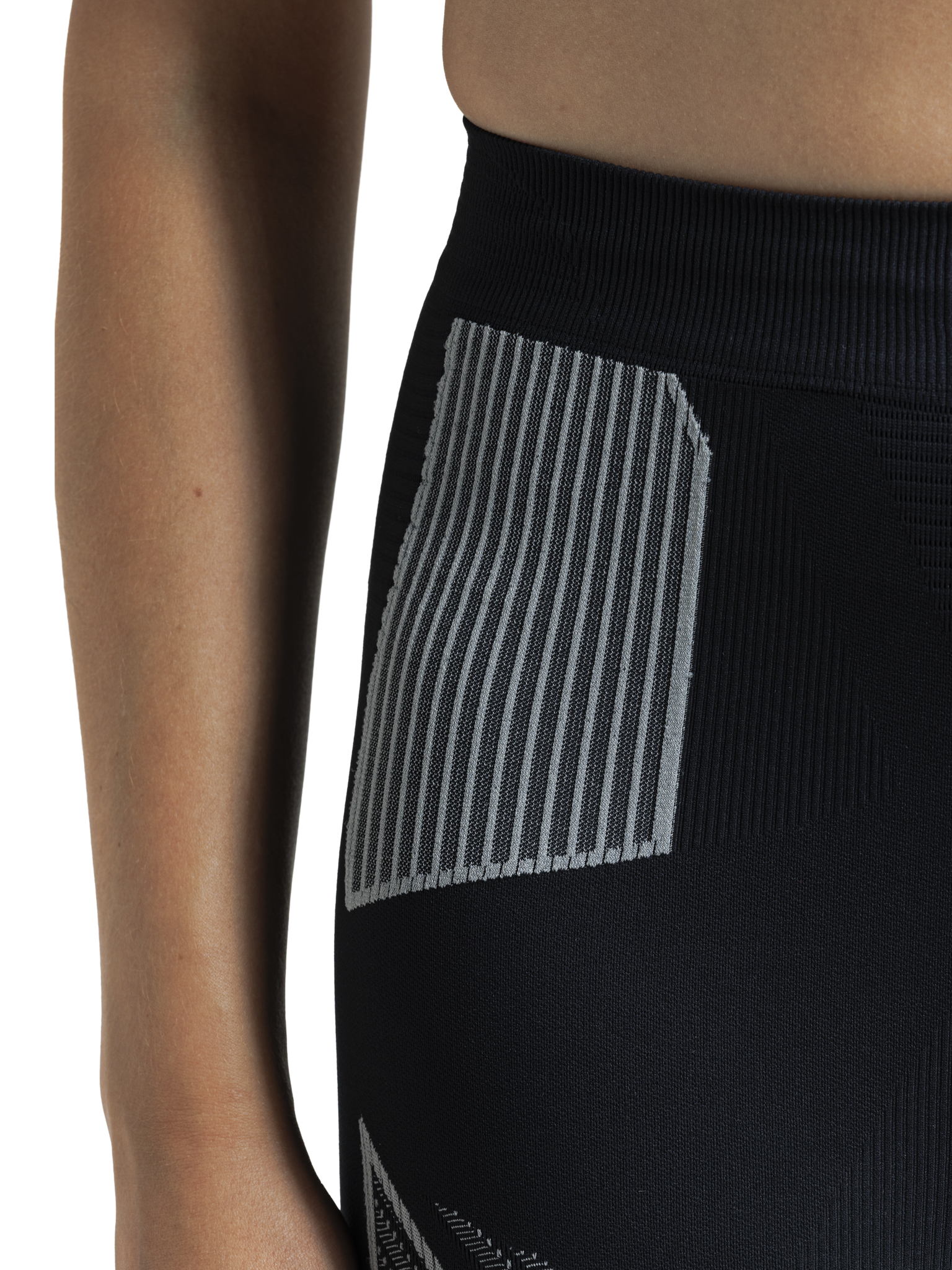
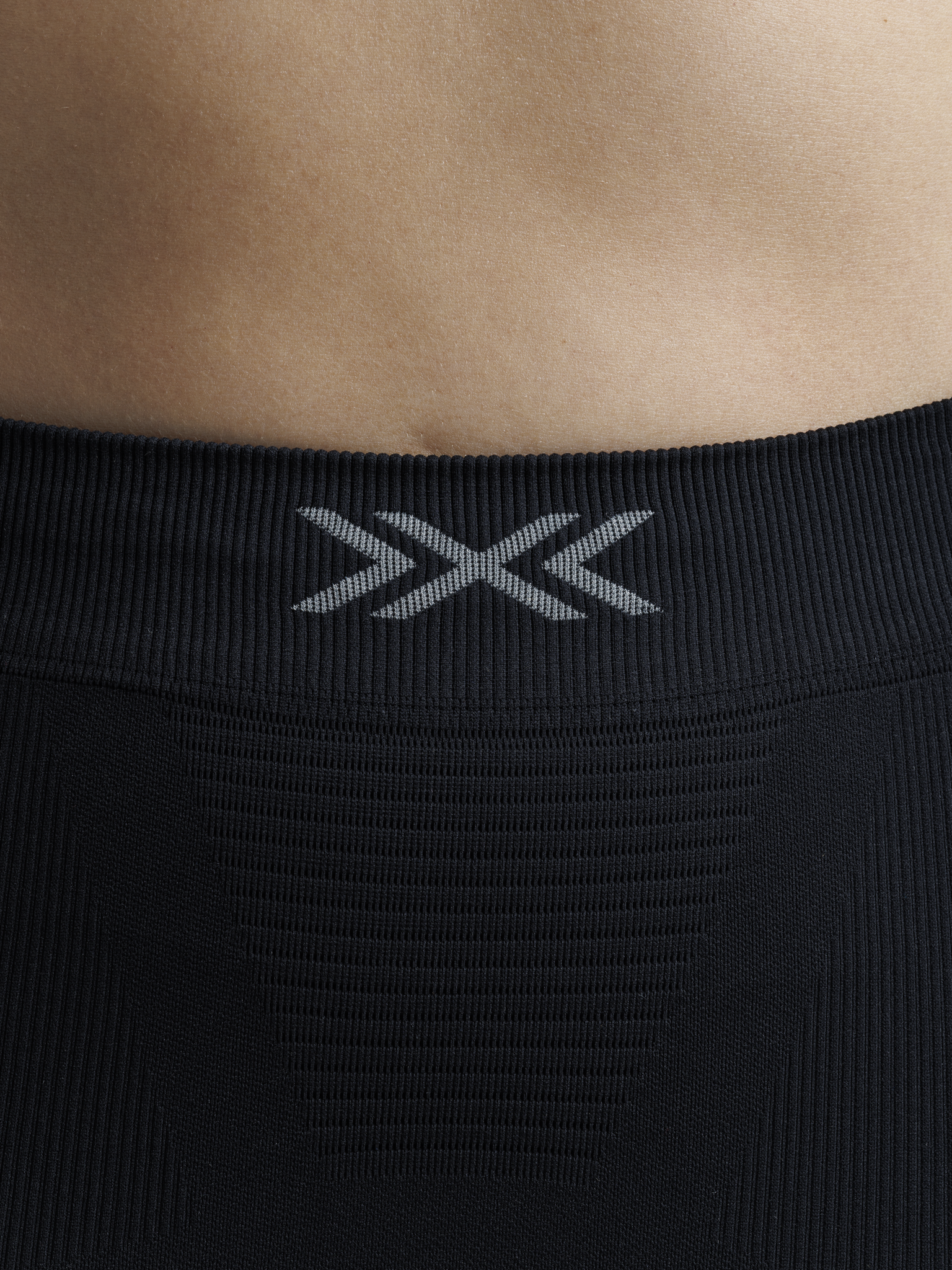
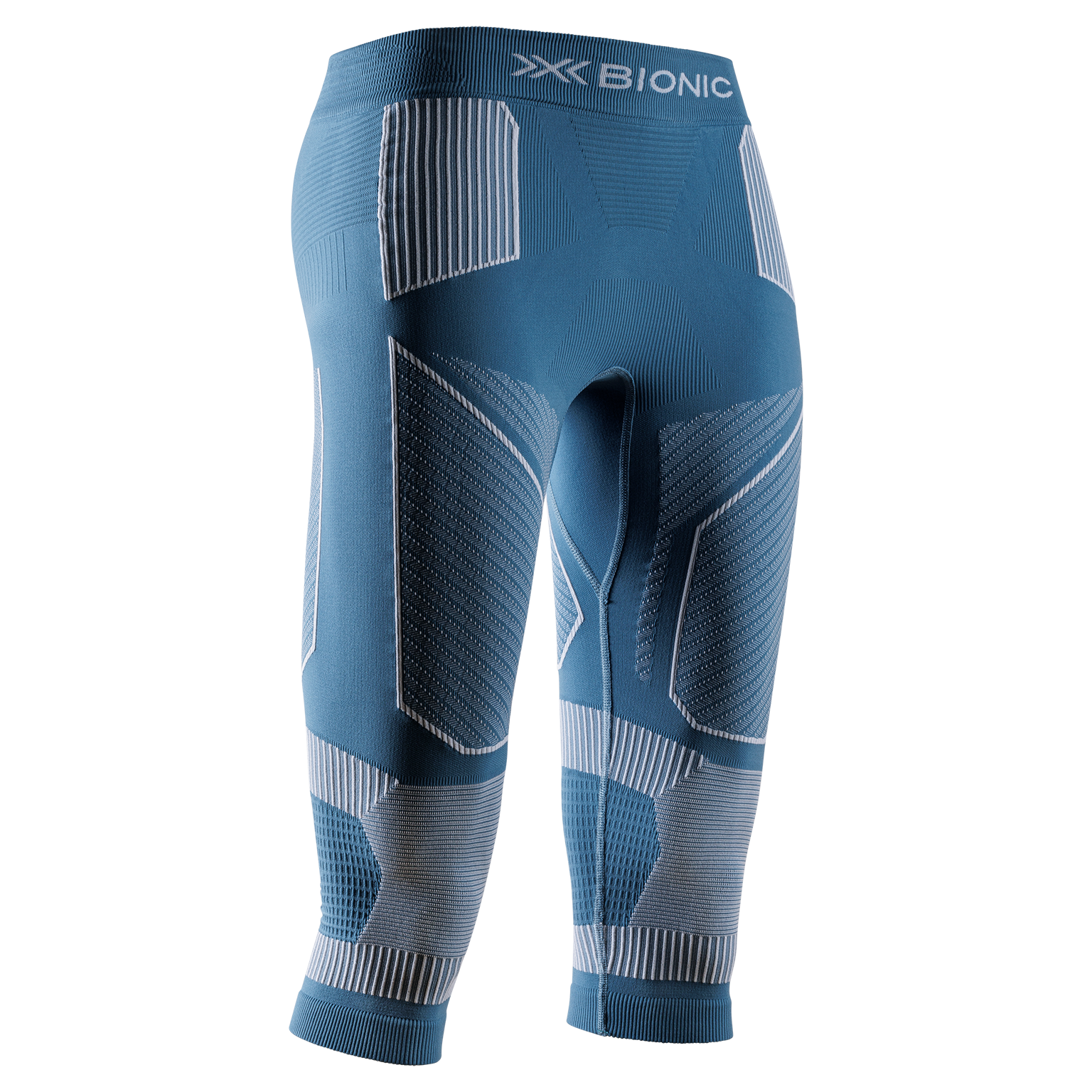
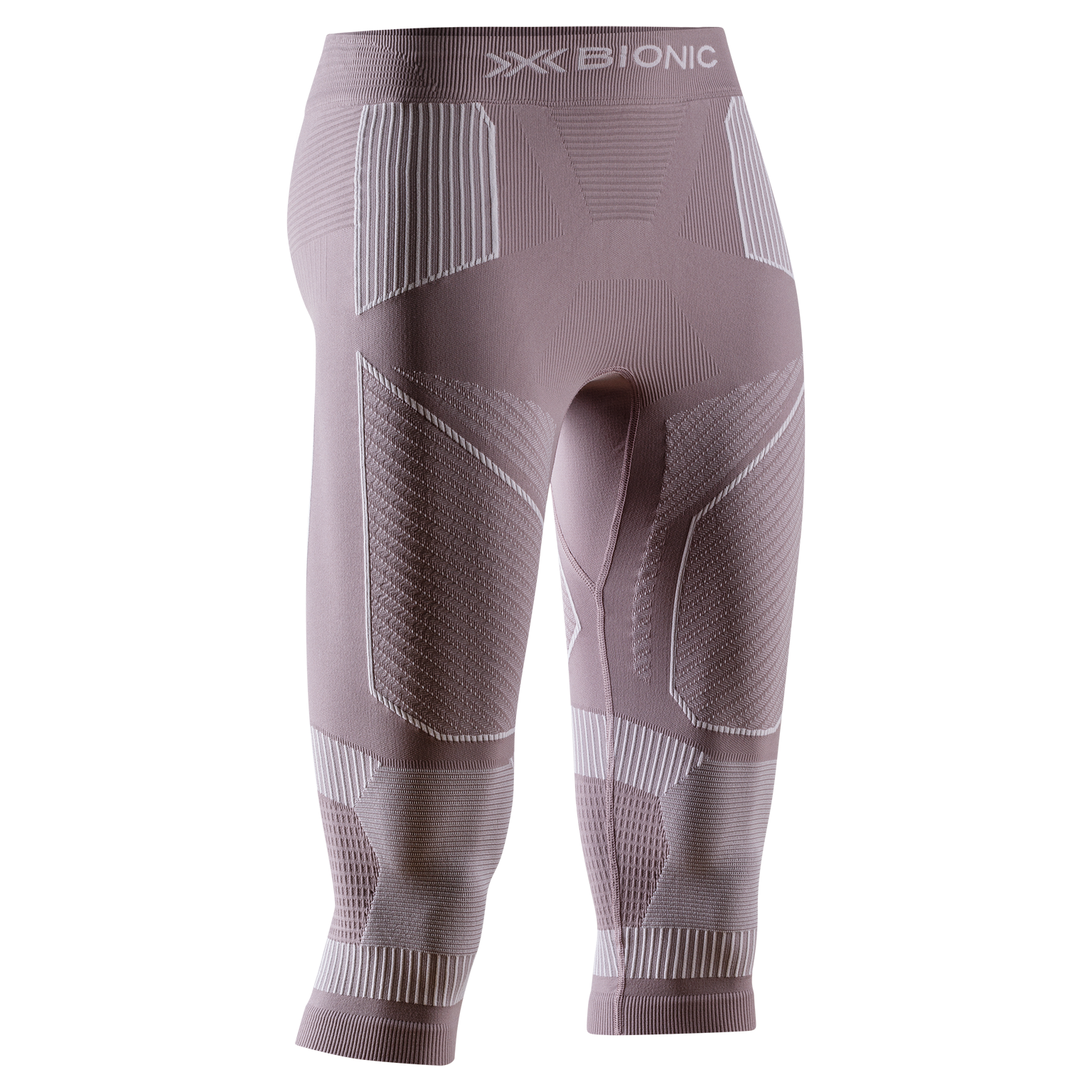
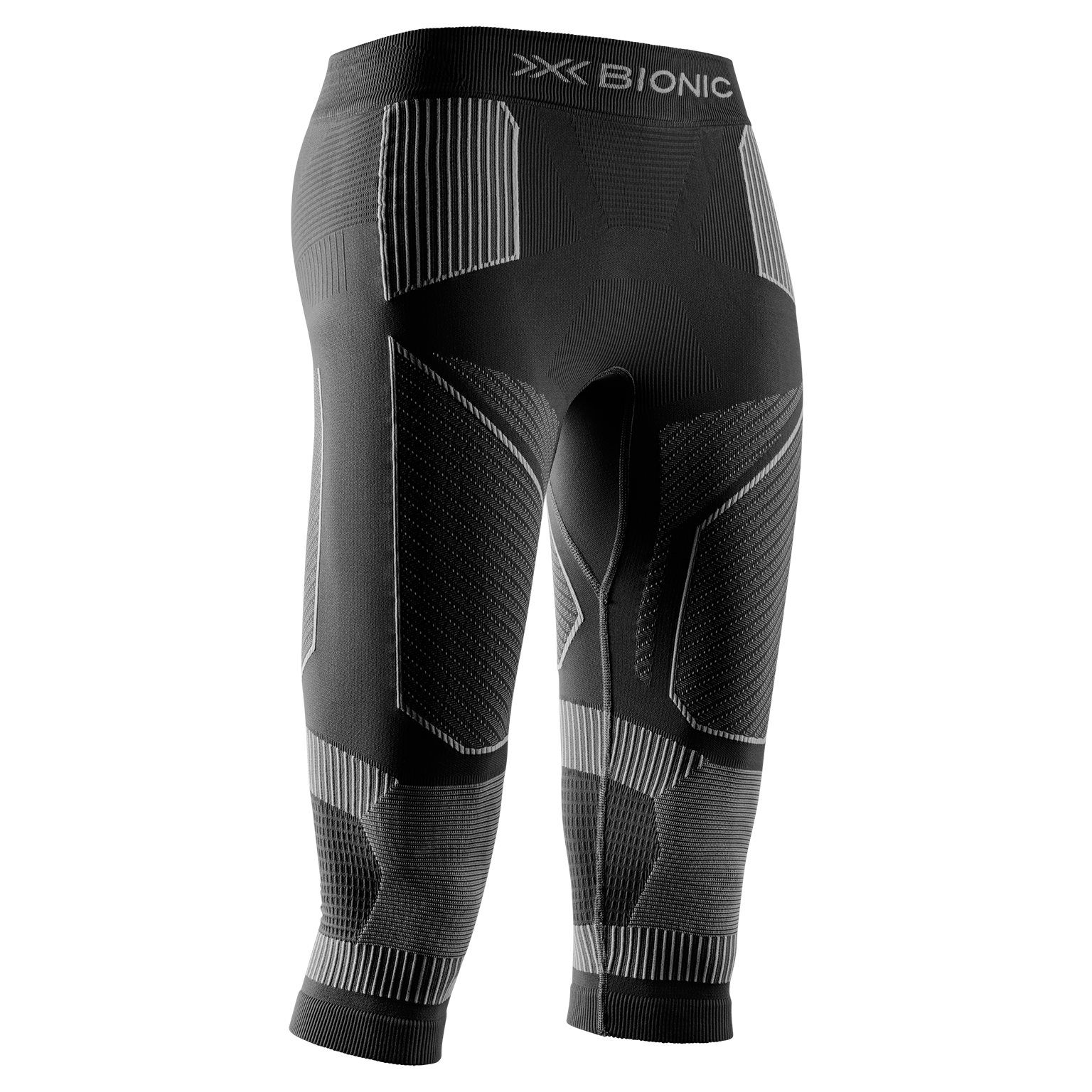
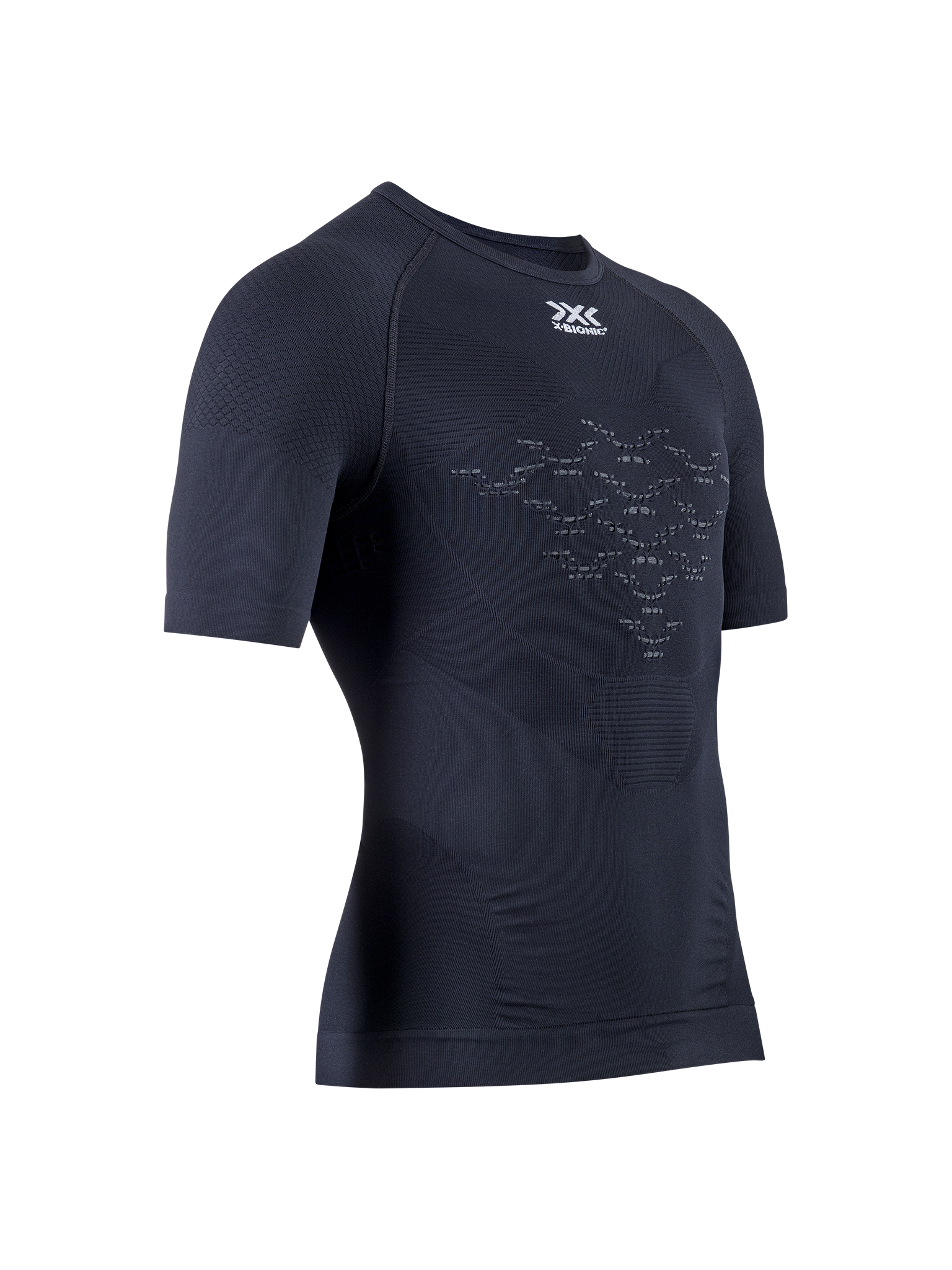
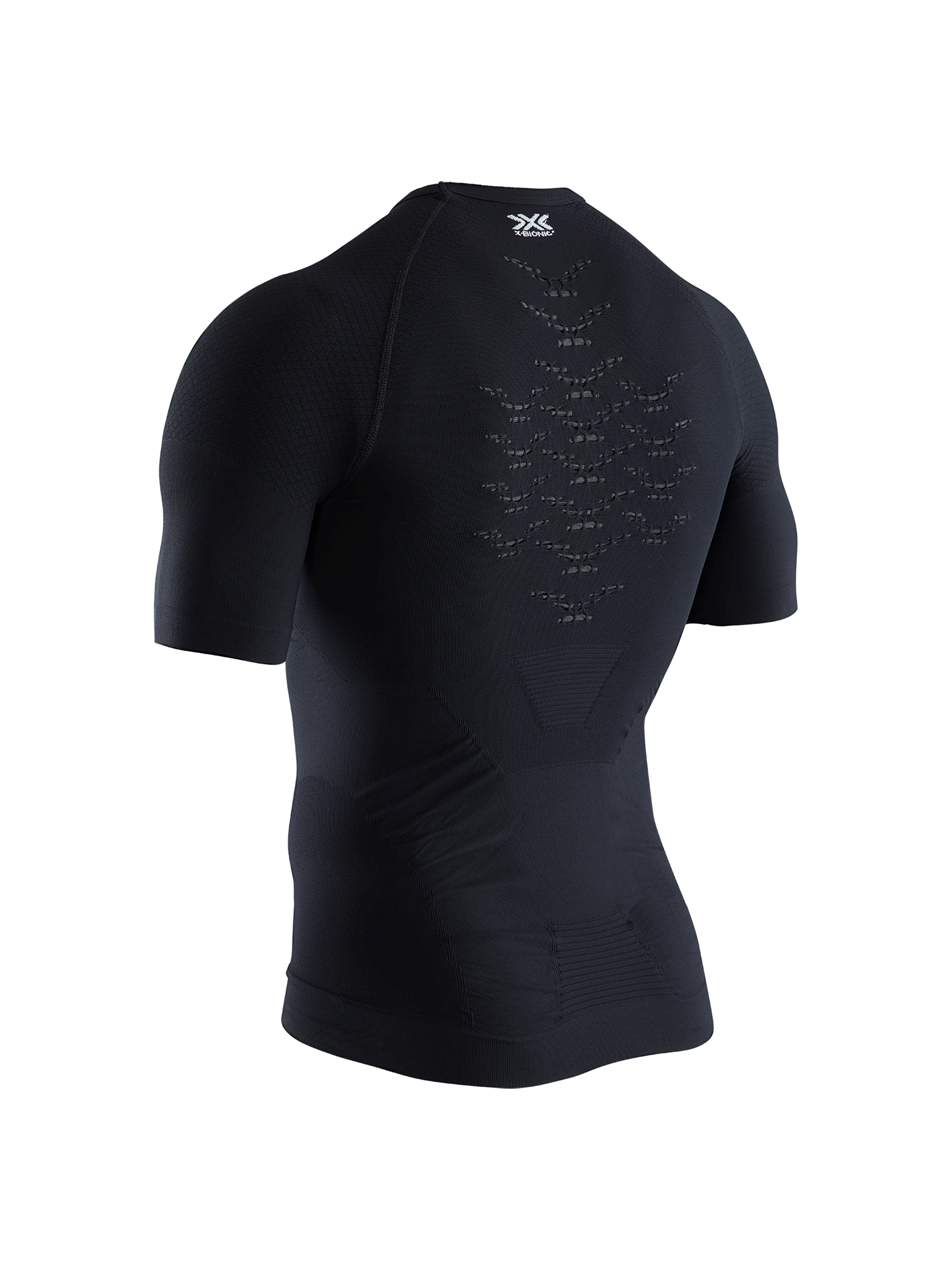
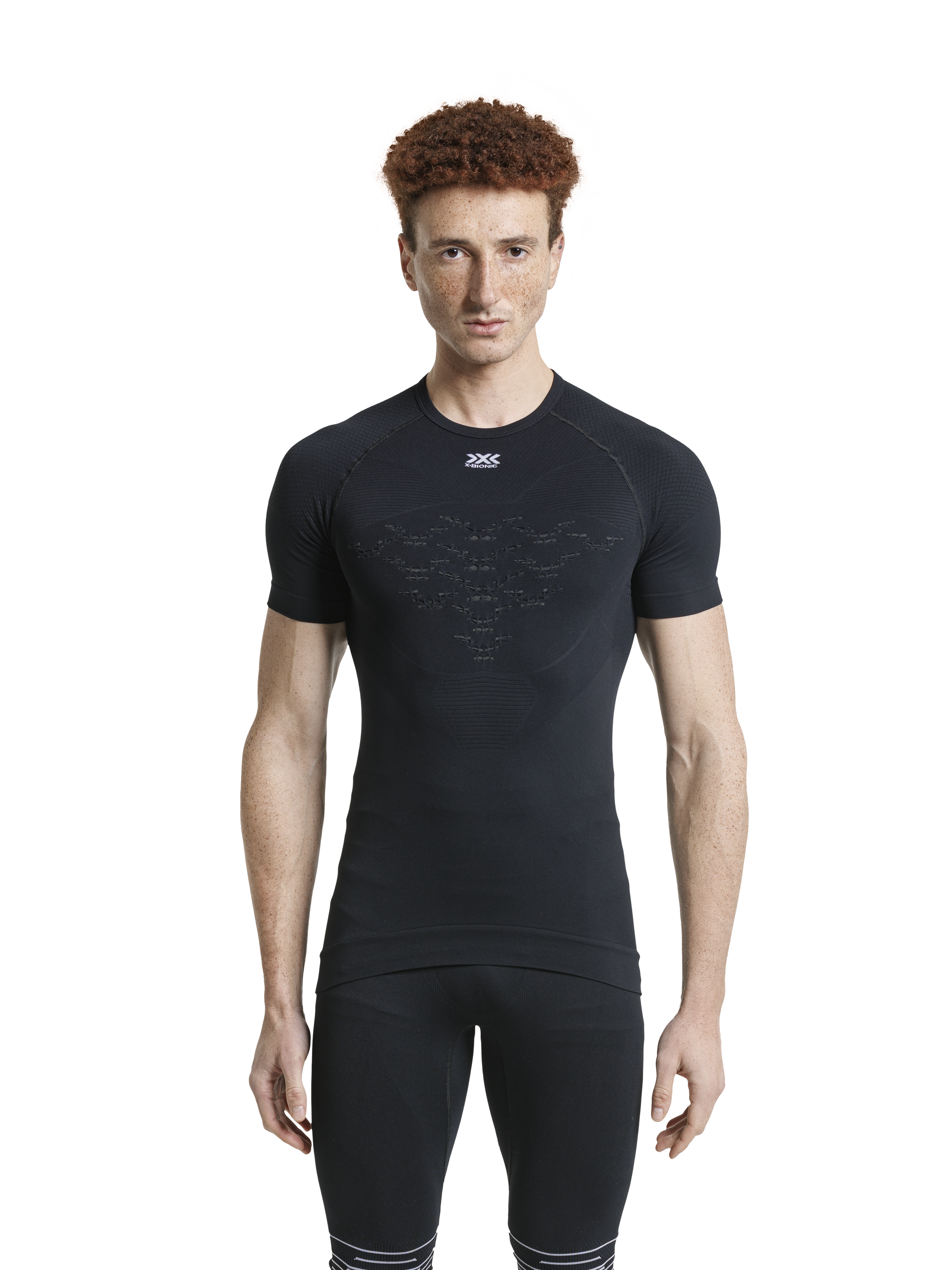
Your hiking base layer forms the cornerstone of every successful mountain adventure. This critical next-to-skin layer determines whether you stay dry and comfortable or struggle with temperature regulation throughout your hike.
Understanding the Foundation of Performance Hiking Systems
Unlike regular clothing, a proper base layer functions as an engineered system that manages moisture, regulates body heat, and supports your performance across changing conditions.
The science behind effective base layer clothing centers on thermoregulation. Your body generates heat during physical activity, producing moisture that must be managed to maintain your core temperature at optimal levels. When this system fails, you experience discomfort, reduced performance, and potential safety risks on the trail.
Every serious hiker needs a foundation layer that works as hard as they do. Whether you're planning day hikes or multi-day backpacking adventures, your base layer choice directly impacts your comfort, performance, and safety on the mountain.
Essential Base Layer Collection for Hiking
The right base layer transforms your hiking experience by providing moisture management and temperature control when you need it most. Professional hikers and mountaineers rely on engineered systems that move moisture away from your skin while maintaining insulation properties across a range of conditions.
Modern base layers utilize advanced synthetic materials and wool blends to create moisture-wicking performance that keeps you dry and comfortable. These technical fabrics wick moisture away from your skin through capillary action, allowing for rapid evaporation and consistent temperature regulation.
Choosing Your Perfect Hiking Base Layer System
Material Science: Synthetic vs. Wool Performance
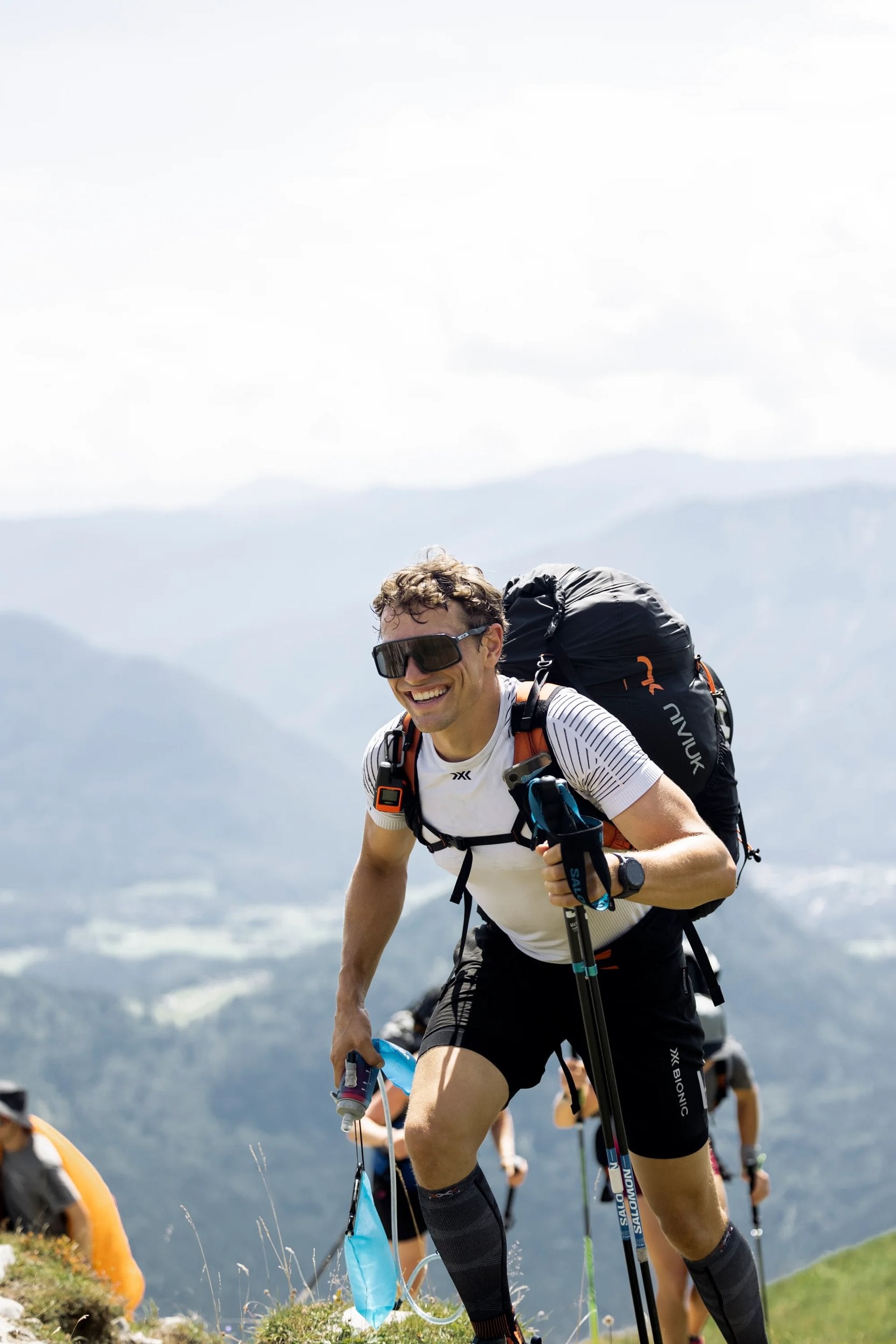
Synthetic base layers excel in moisture-wicking performance and quick-dry capabilities. These engineered fabrics use polyester fibers designed to pull sweat away from your skin and disperse it across the fabric surface for rapid evaporation. Synthetic materials maintain their insulating properties even when wet, making them ideal for high-intensity activities like hiking uphill or trail running.
Merino wool base layers offer natural odor resistance and excellent temperature regulation. Wool fibers can absorb up to 30% of their weight in moisture while still feeling dry against your skin. This natural breathable performance makes wool layers comfortable to wear across varying temperatures and activity levels.
Wool and synthetic blends combine the best features of both materials. These hybrid fabrics provide enhanced durability while maintaining the moisture management properties essential for multi-day hiking and backpacking adventures.
Weight Categories and Seasonal Selection
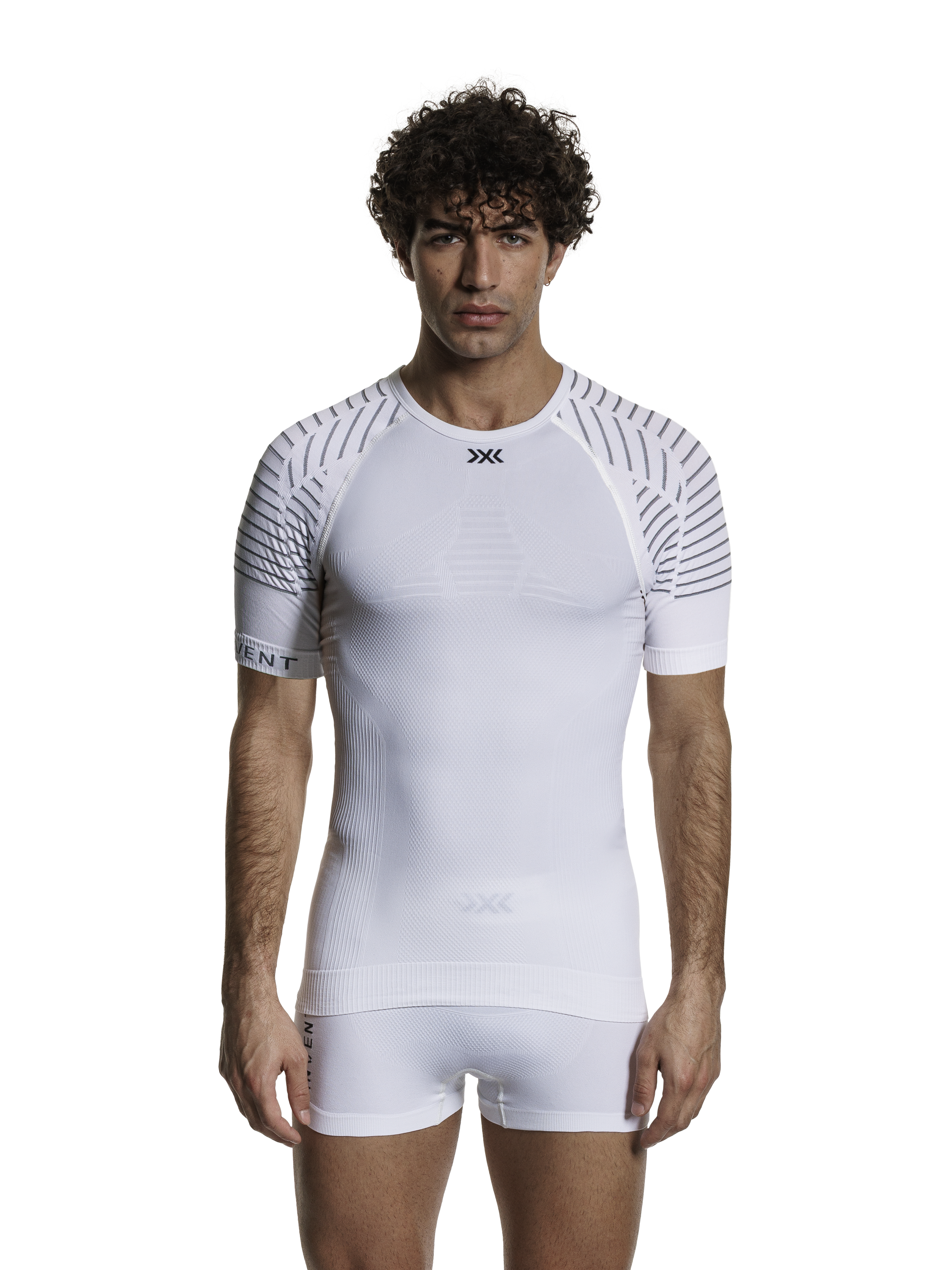
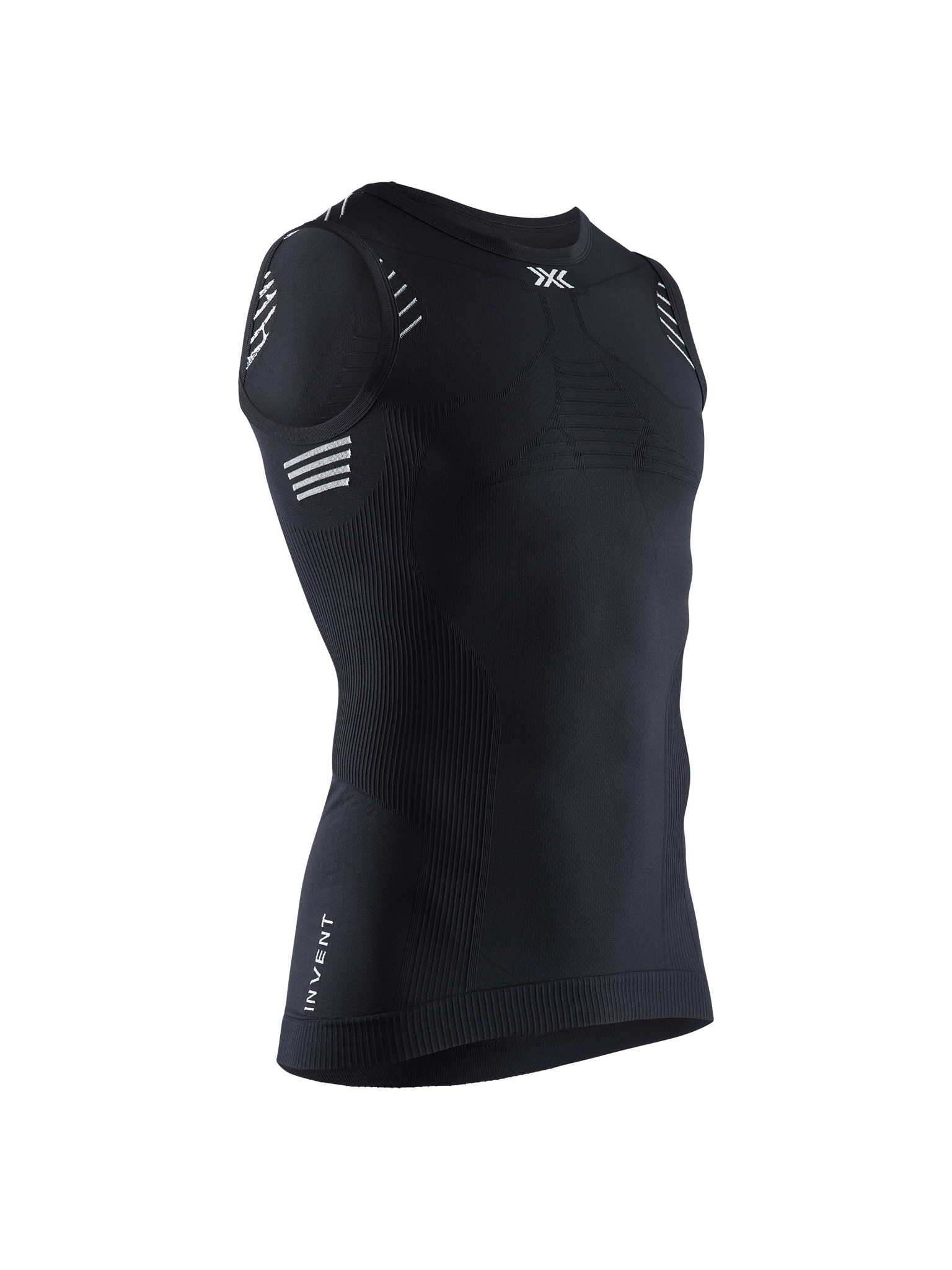
Lightweight base layers work best for warm weather hiking and high-output activities. These minimal-weight options prioritize moisture transfer and breathability over insulation. They're perfect for summer trail conditions and activities where you generate significant body heat.
Midweight options balance warmth with breathability for three-season use. A midweight top provides versatile performance across spring, summer, and fall conditions. These layers offer enough insulation for cold weather starts while maintaining moisture-wicking properties as temperatures rise.
Heavyweight base layers deliver maximum warmth for cold temperatures and winter conditions. These insulating layers work within your layering system to keep you warm during low-activity periods while still managing moisture during active phases.
Fit and Construction Details
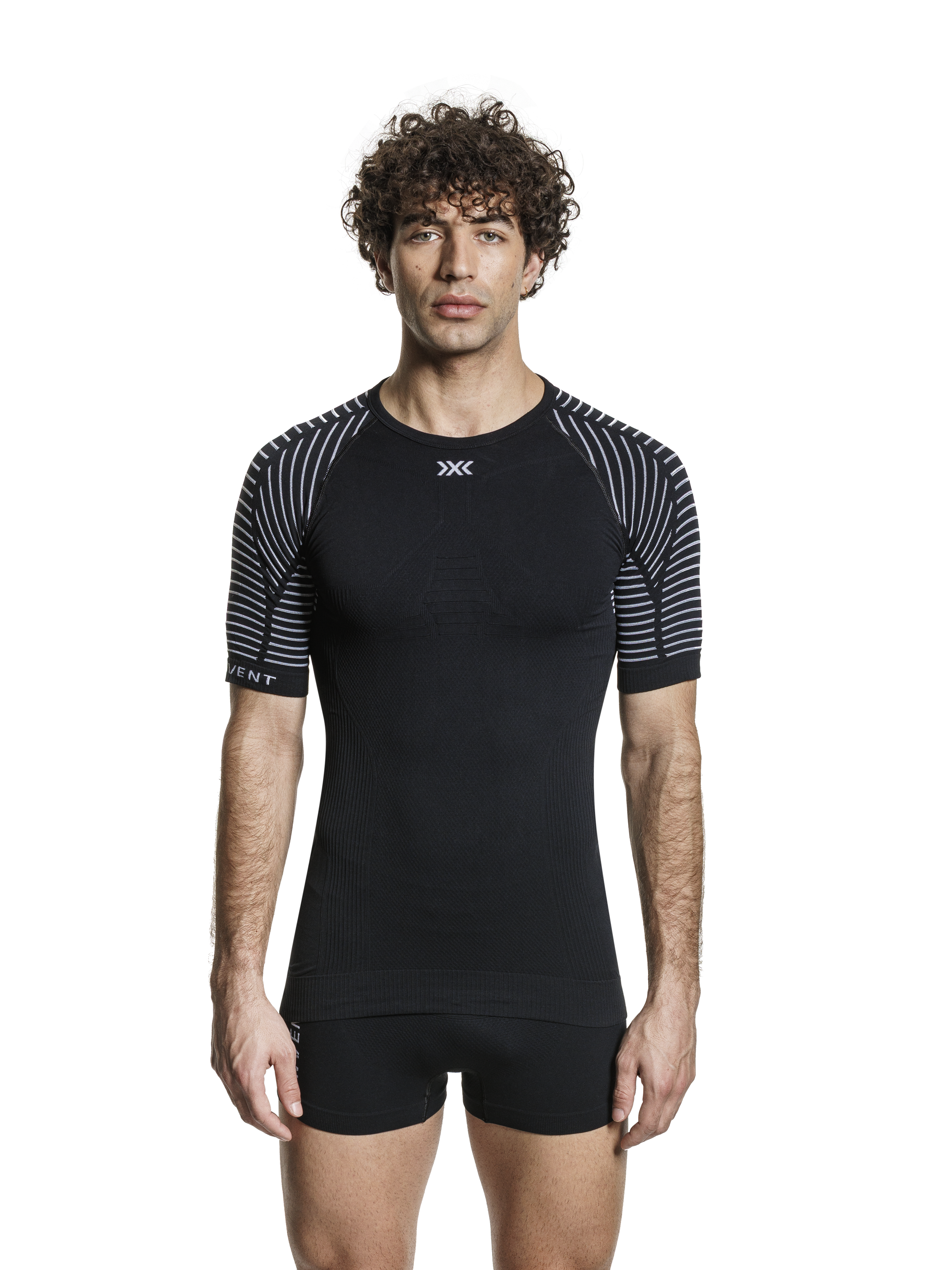
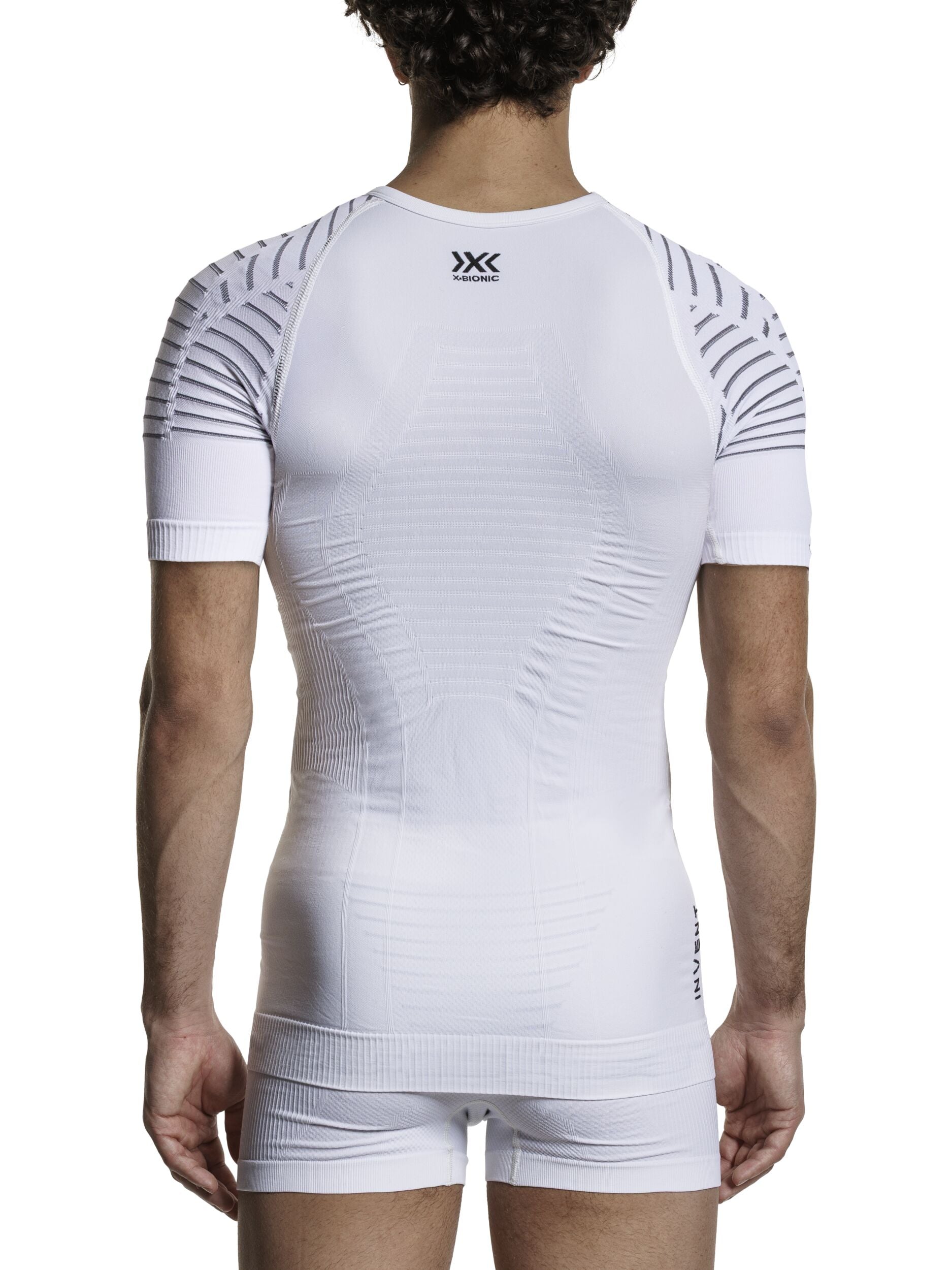
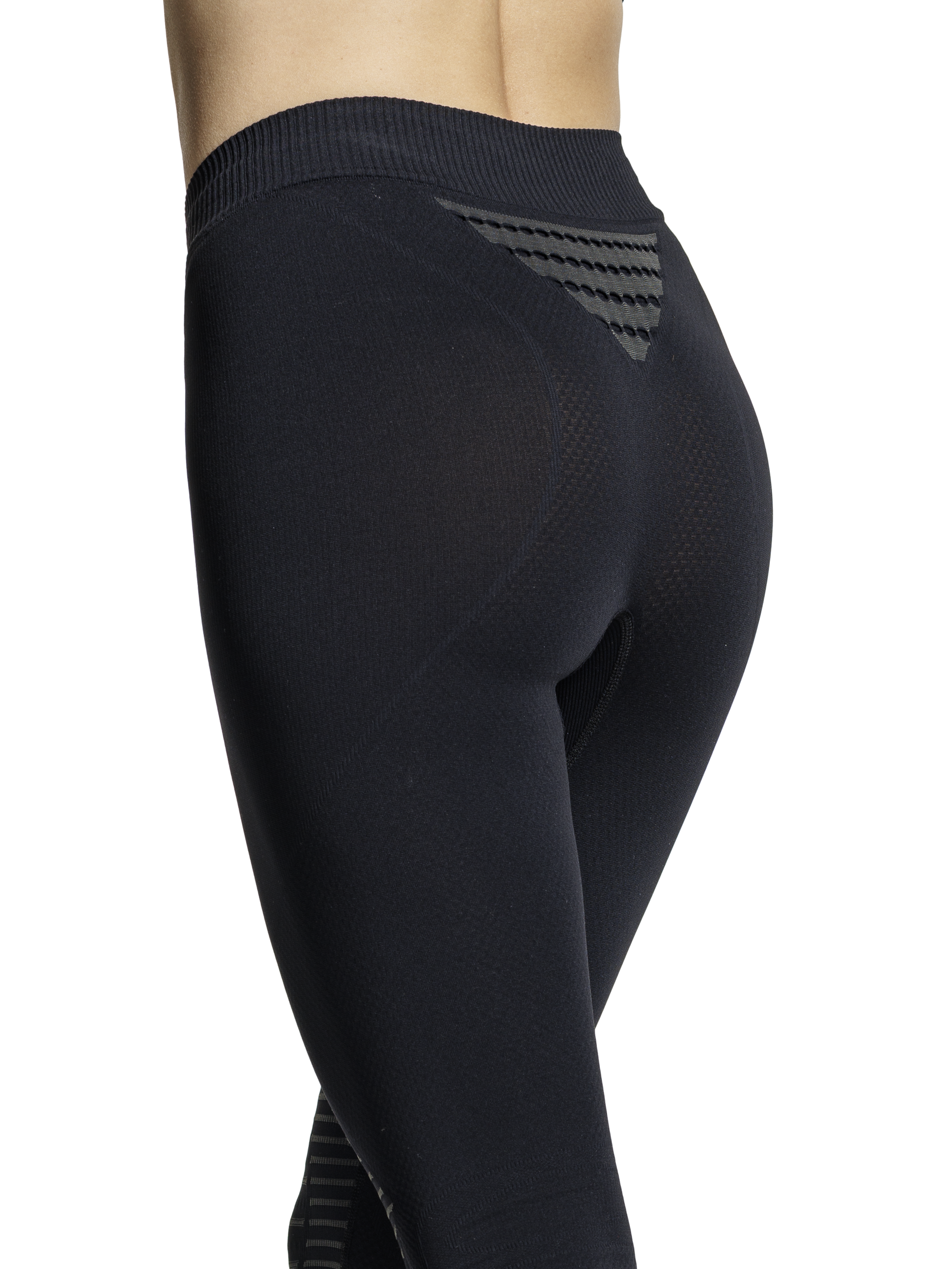
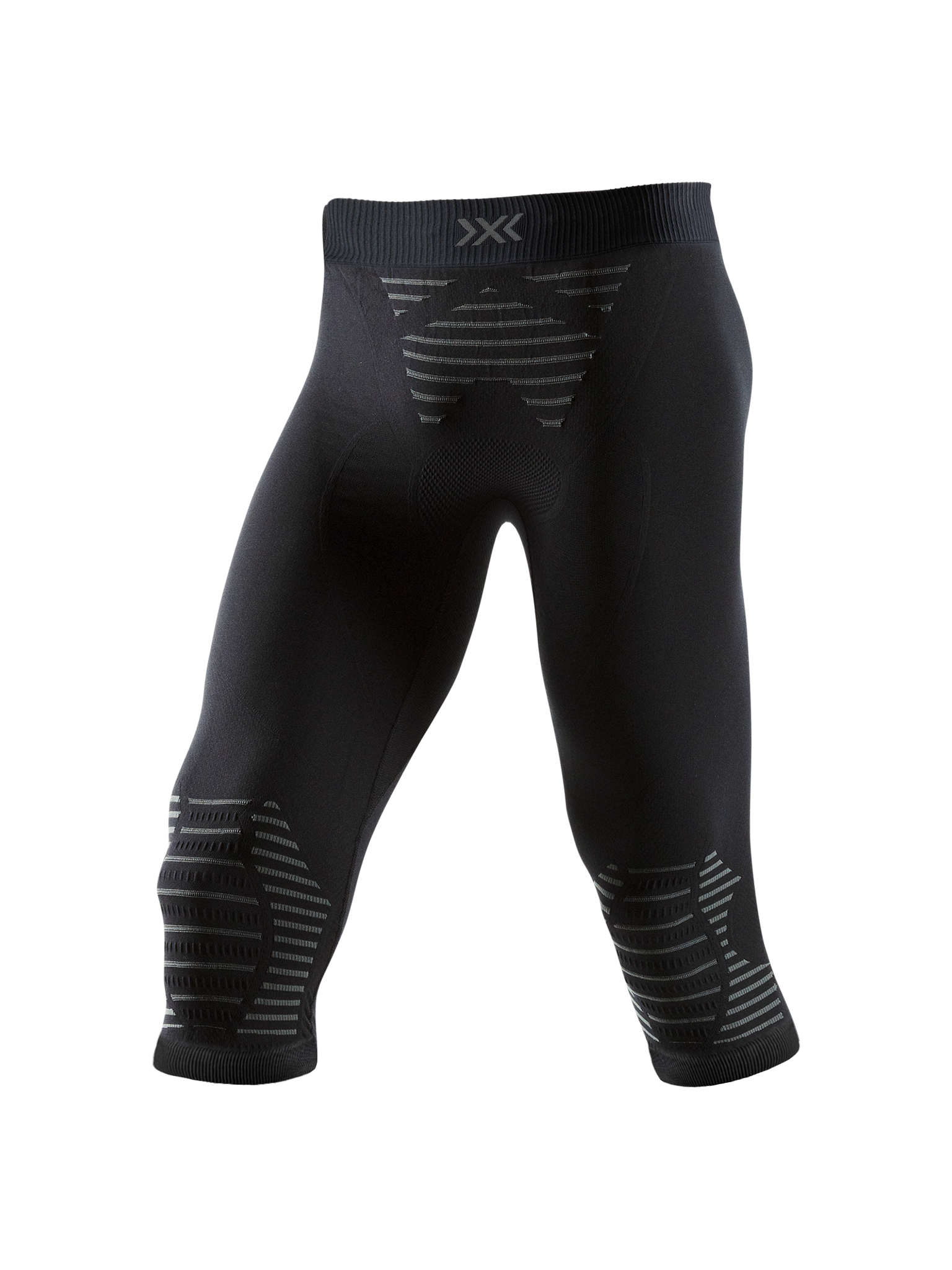
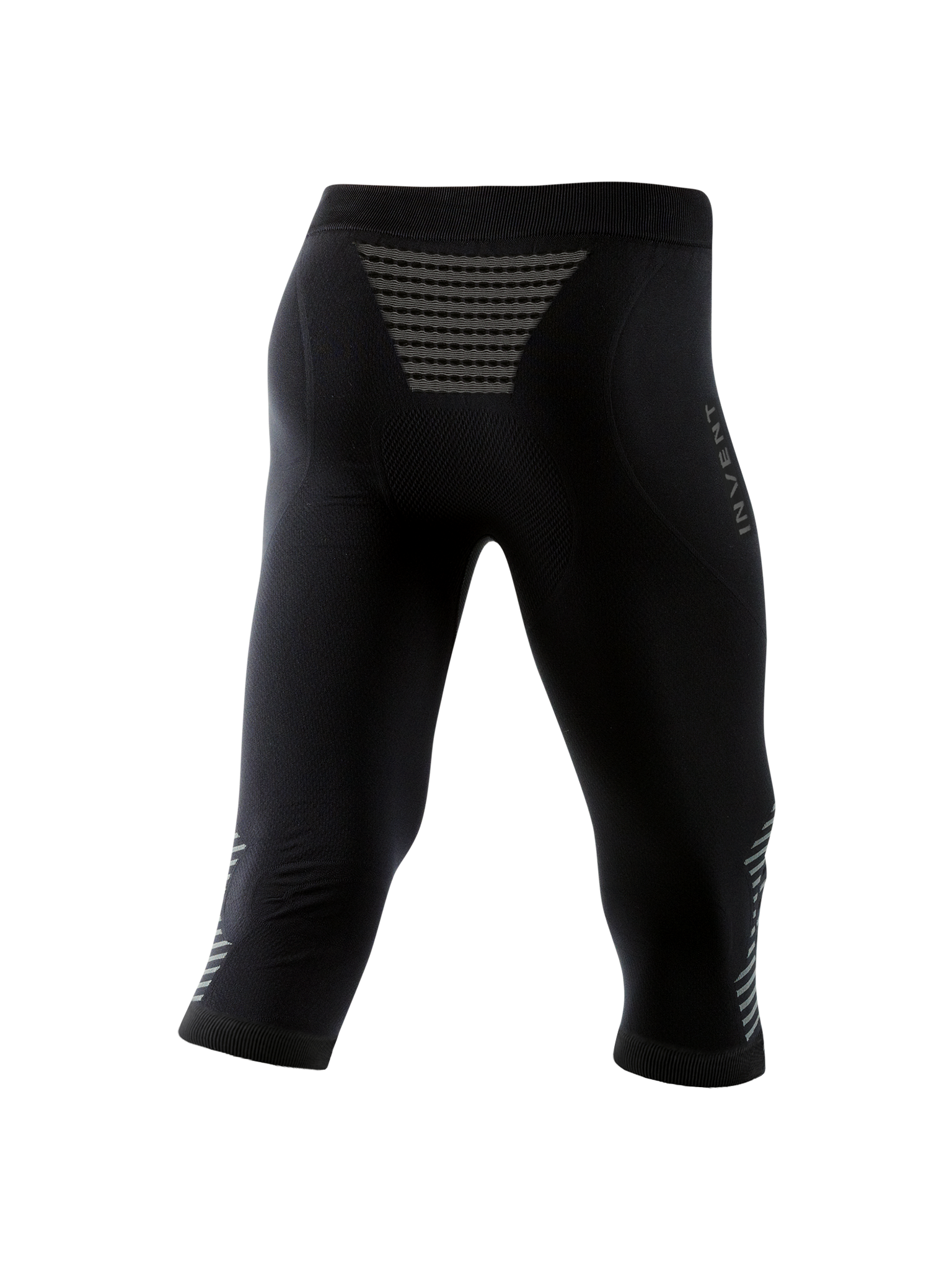
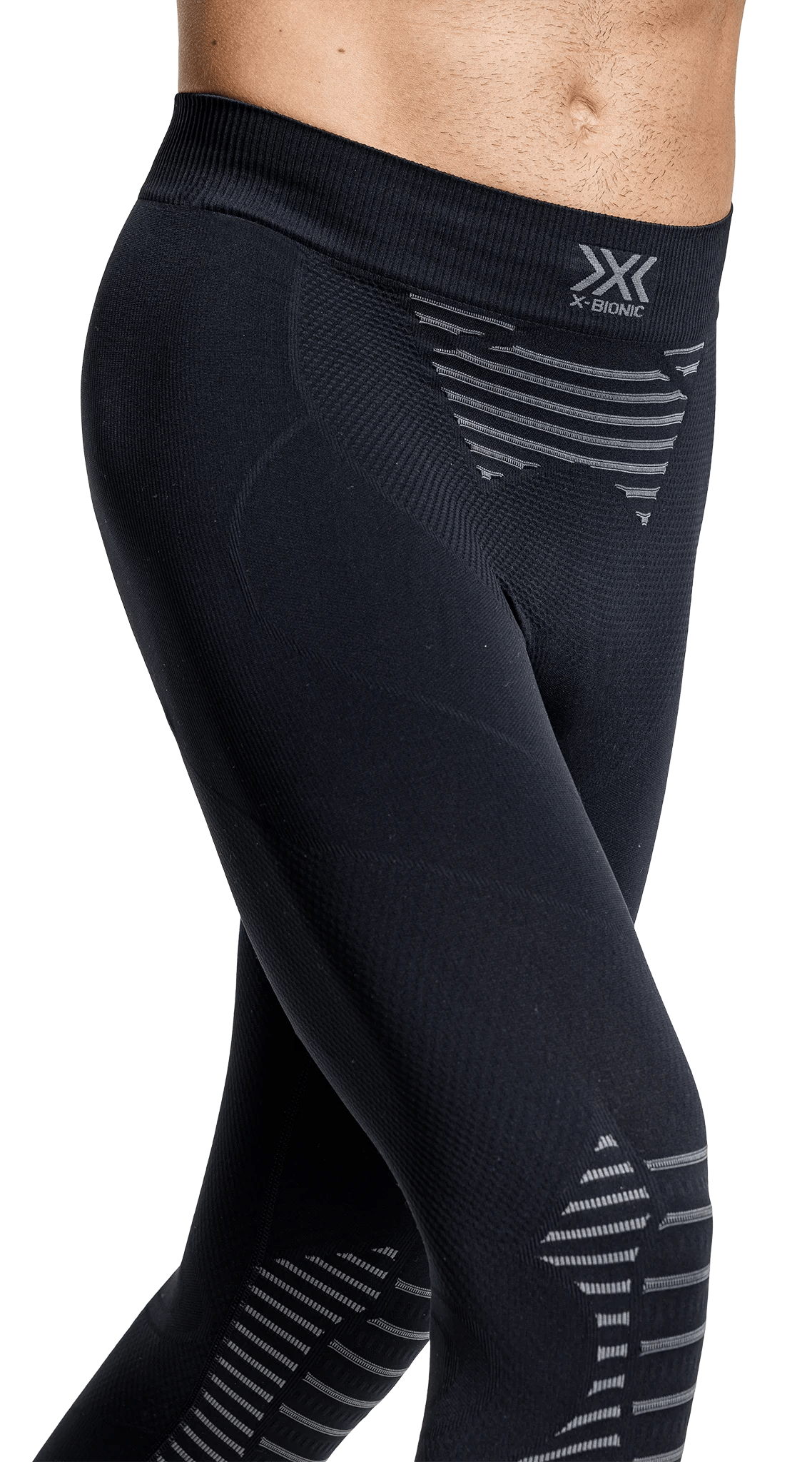
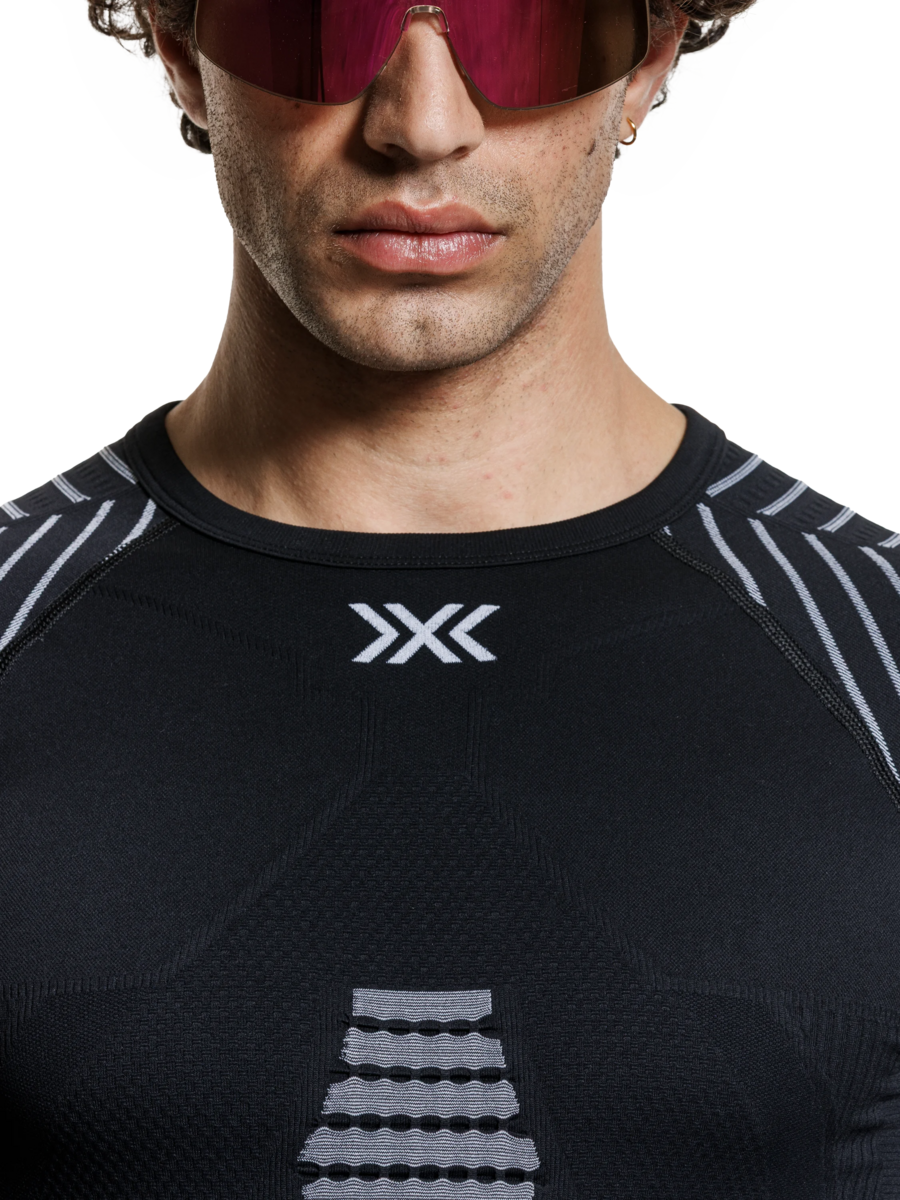
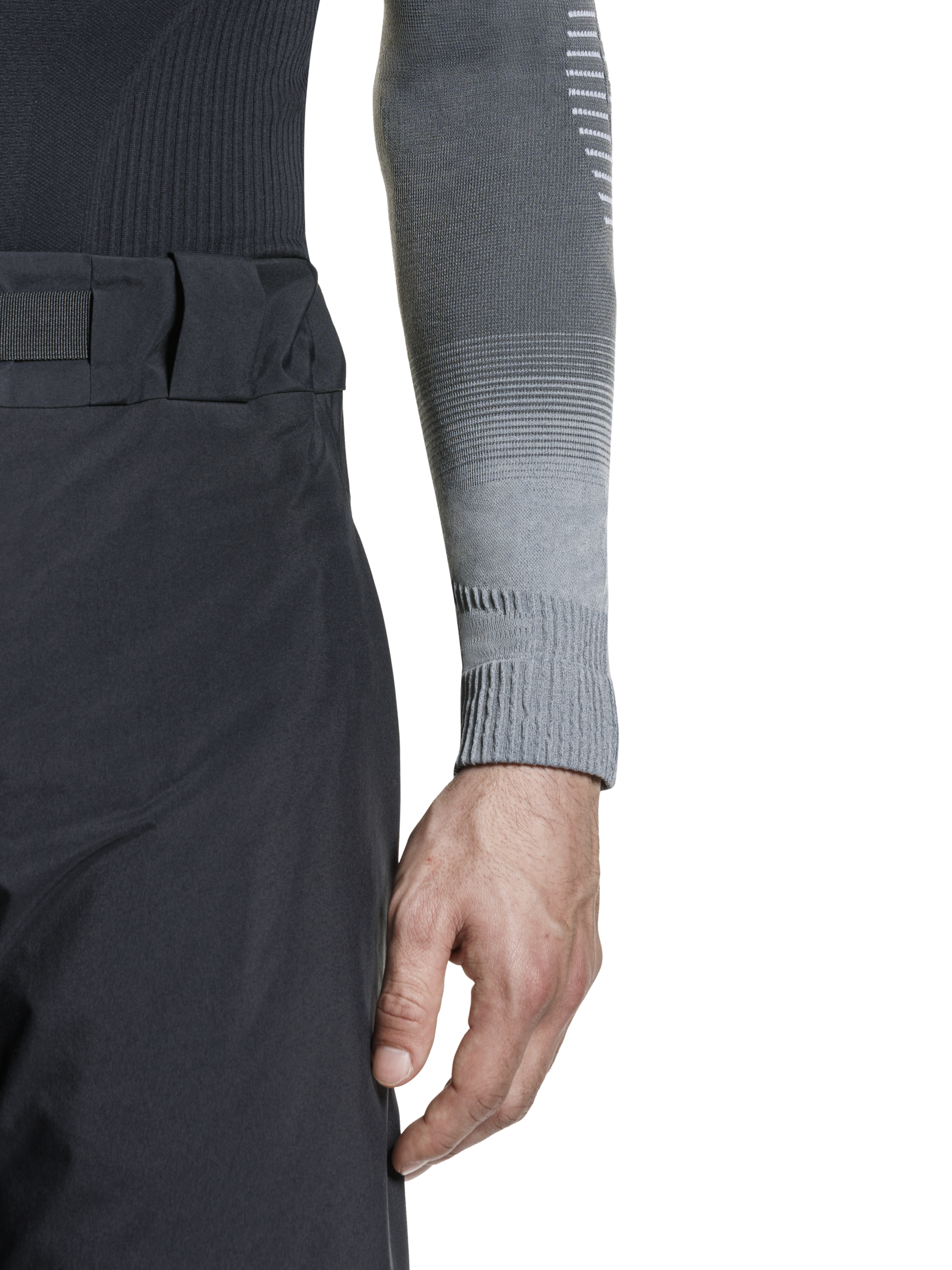
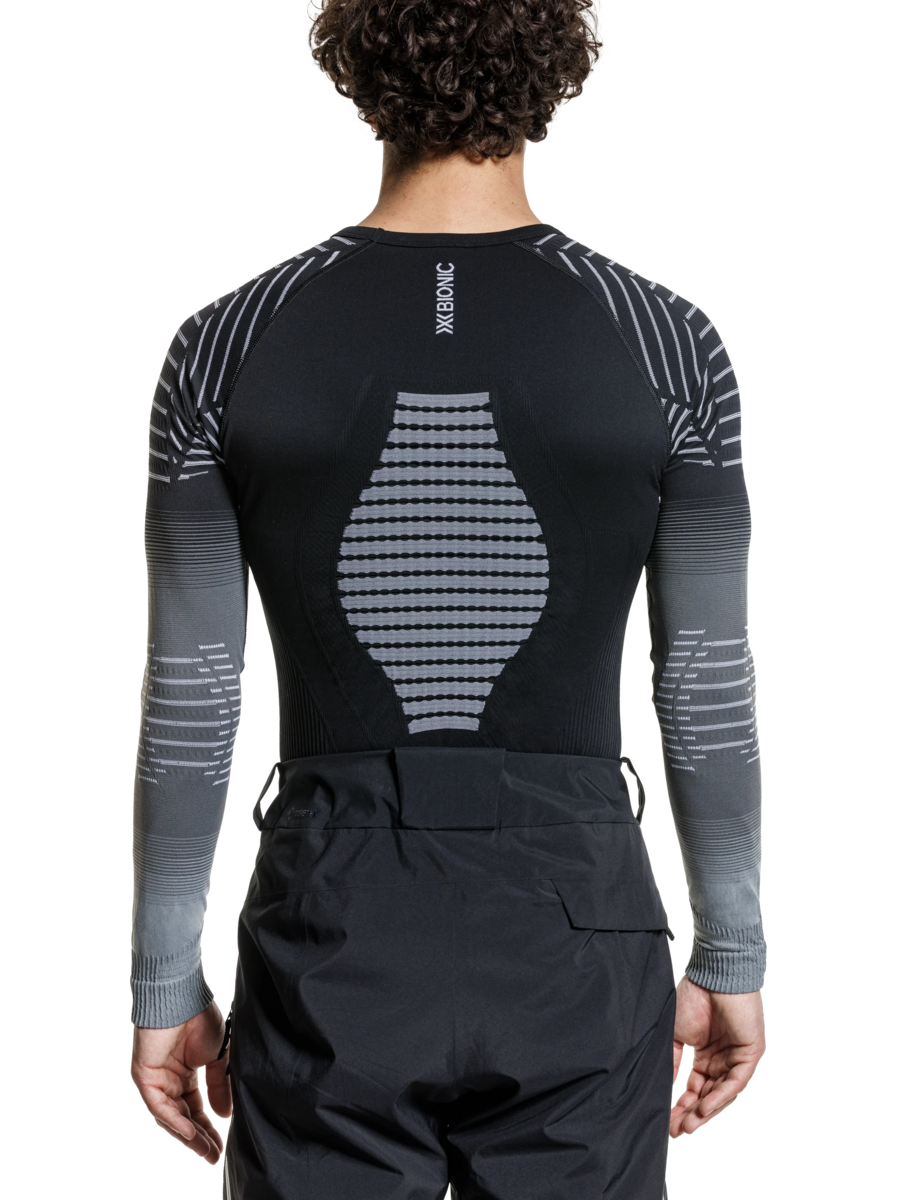
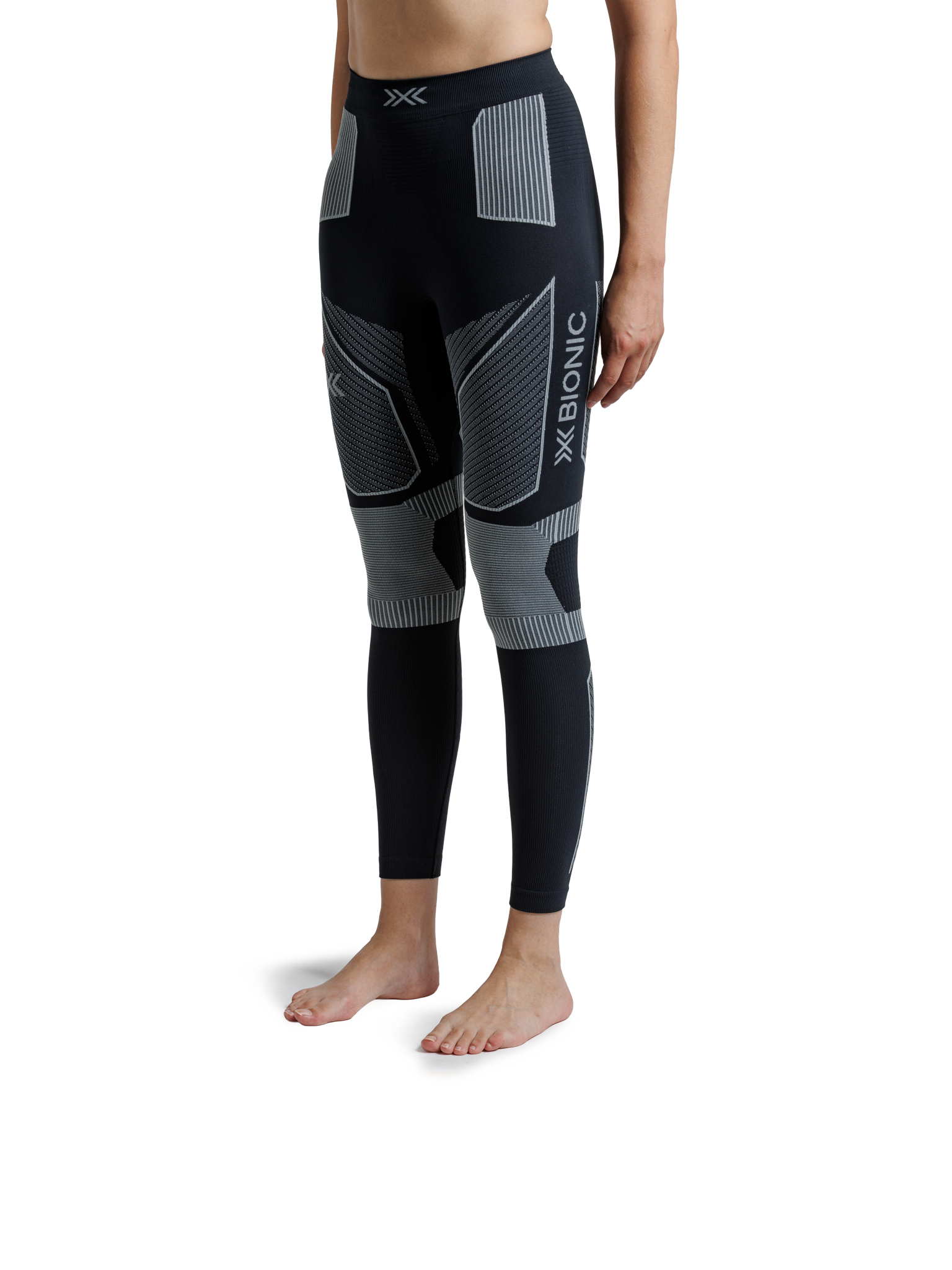
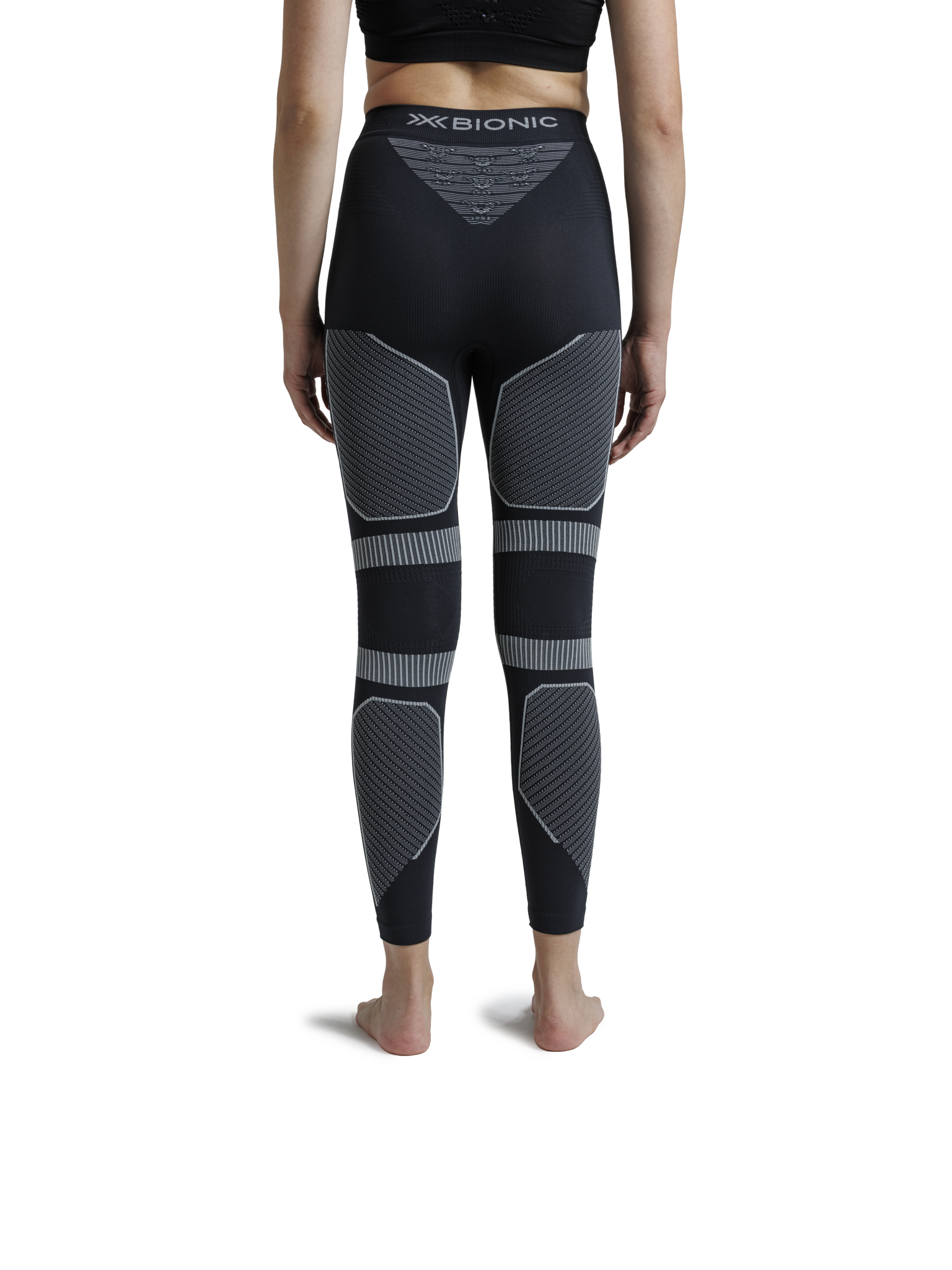
A proper snug fit ensures optimal moisture transfer and thermal regulation. Your base layer should feel like a second skin without restricting movement. Loose-fitting garments create air gaps that reduce moisture-wicking efficiency and temperature control.
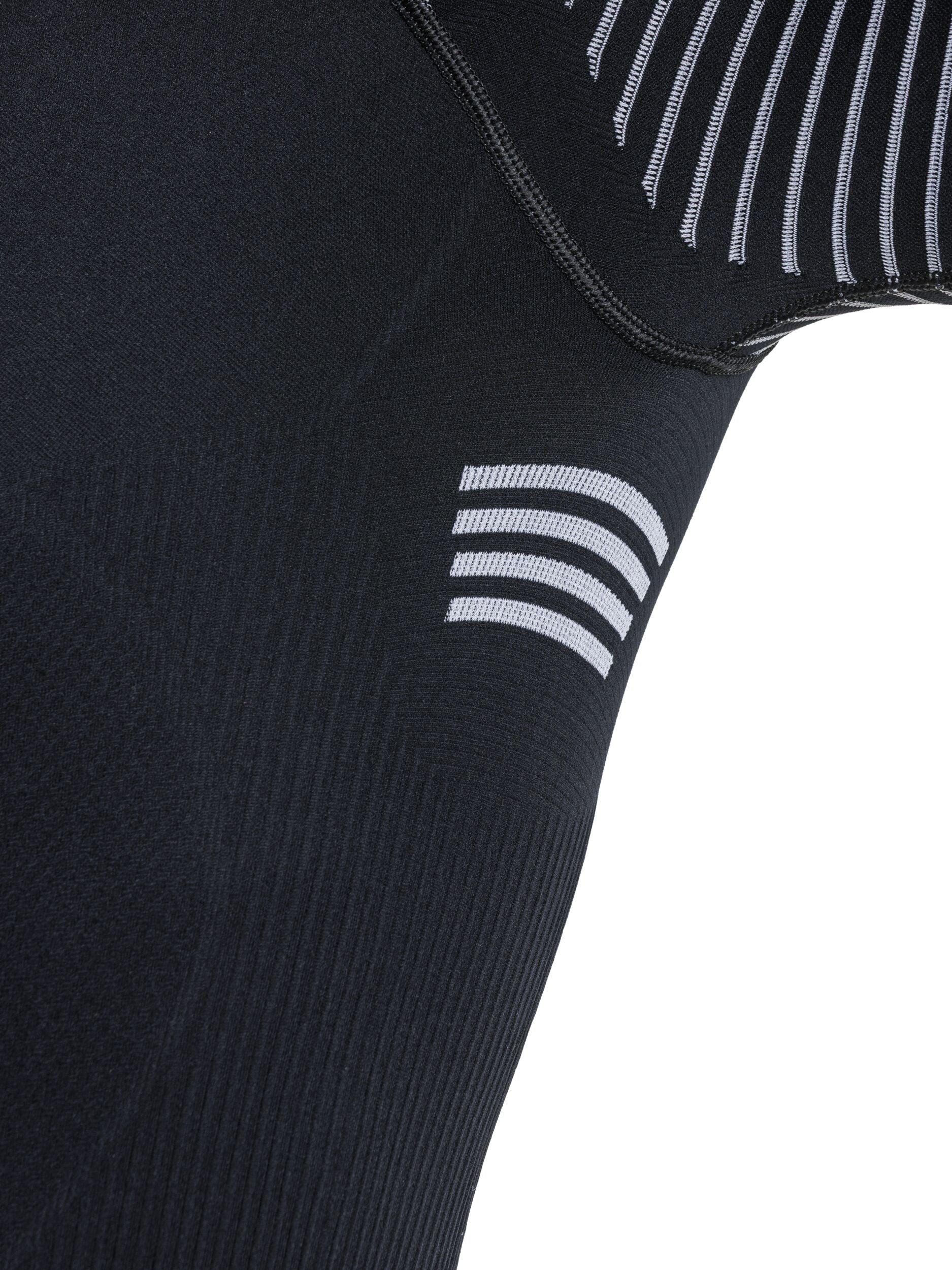
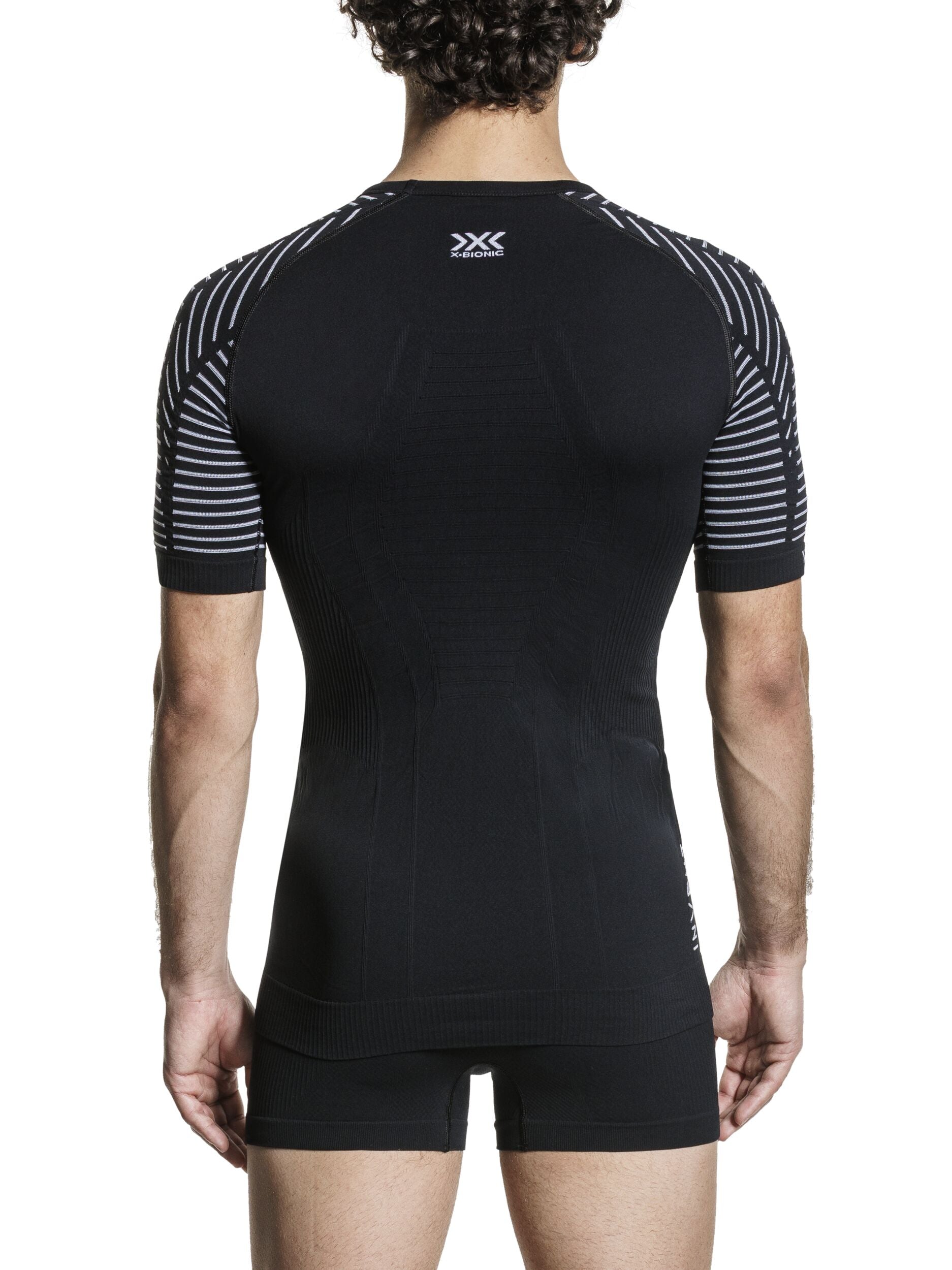
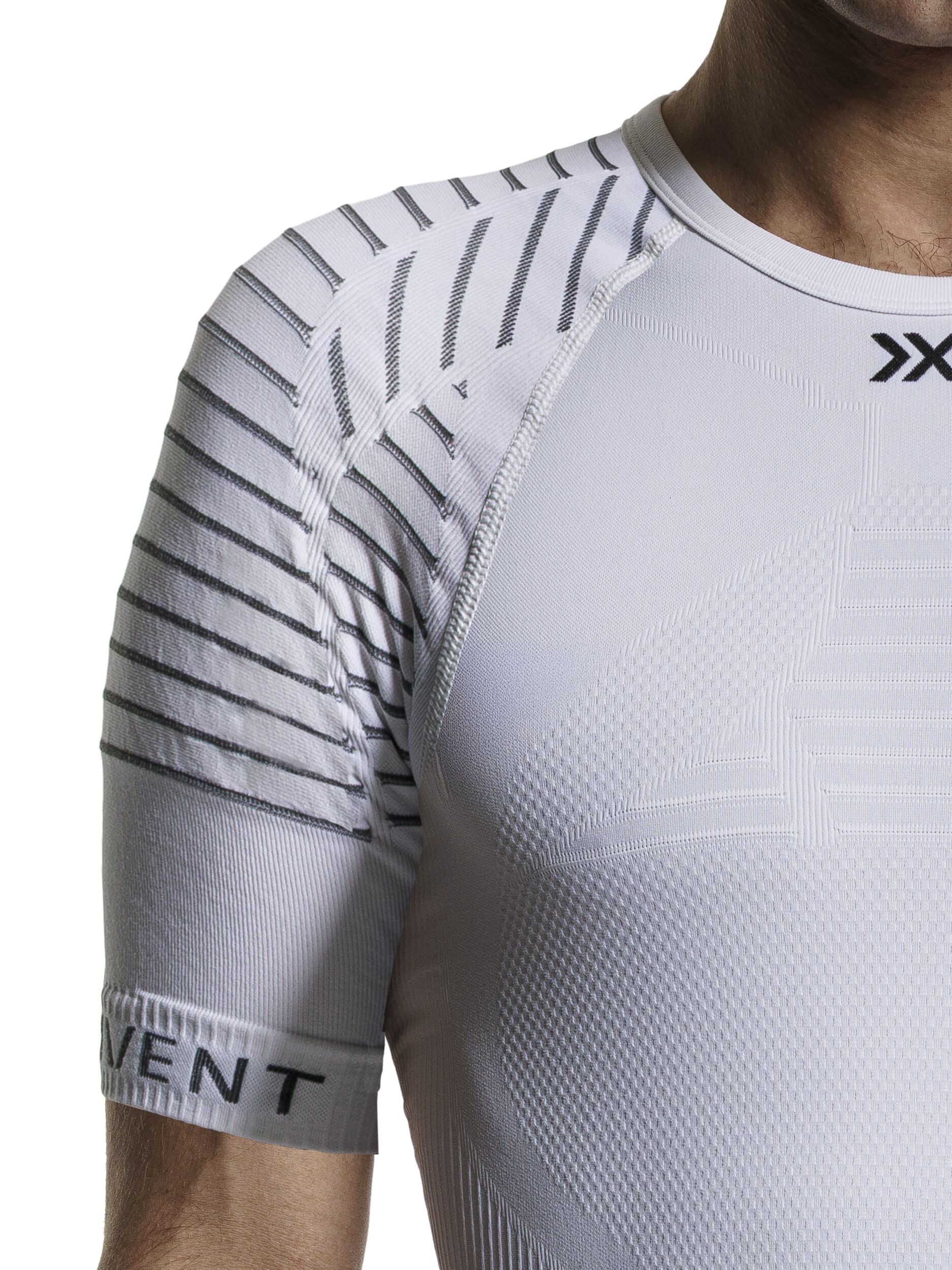
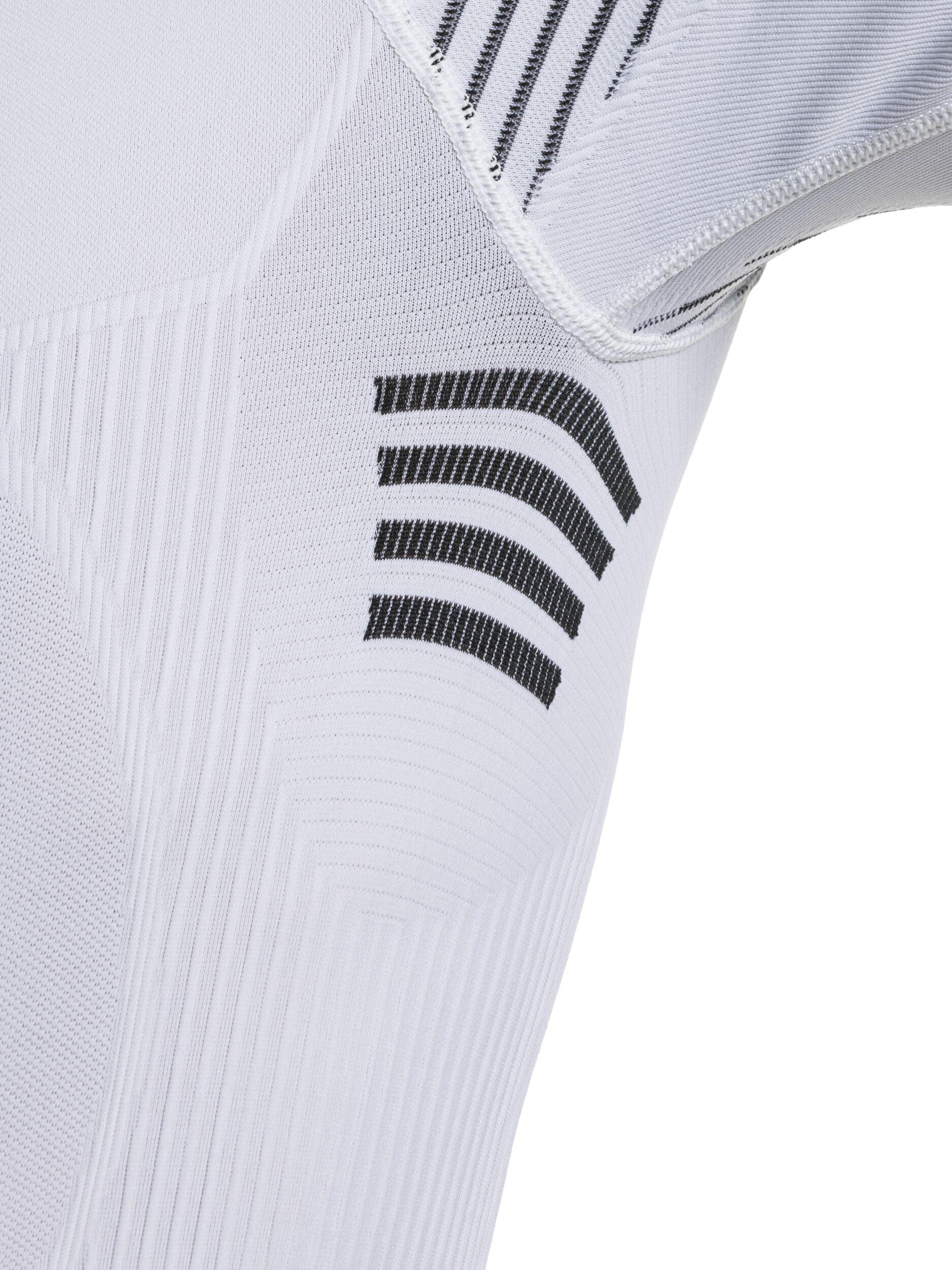
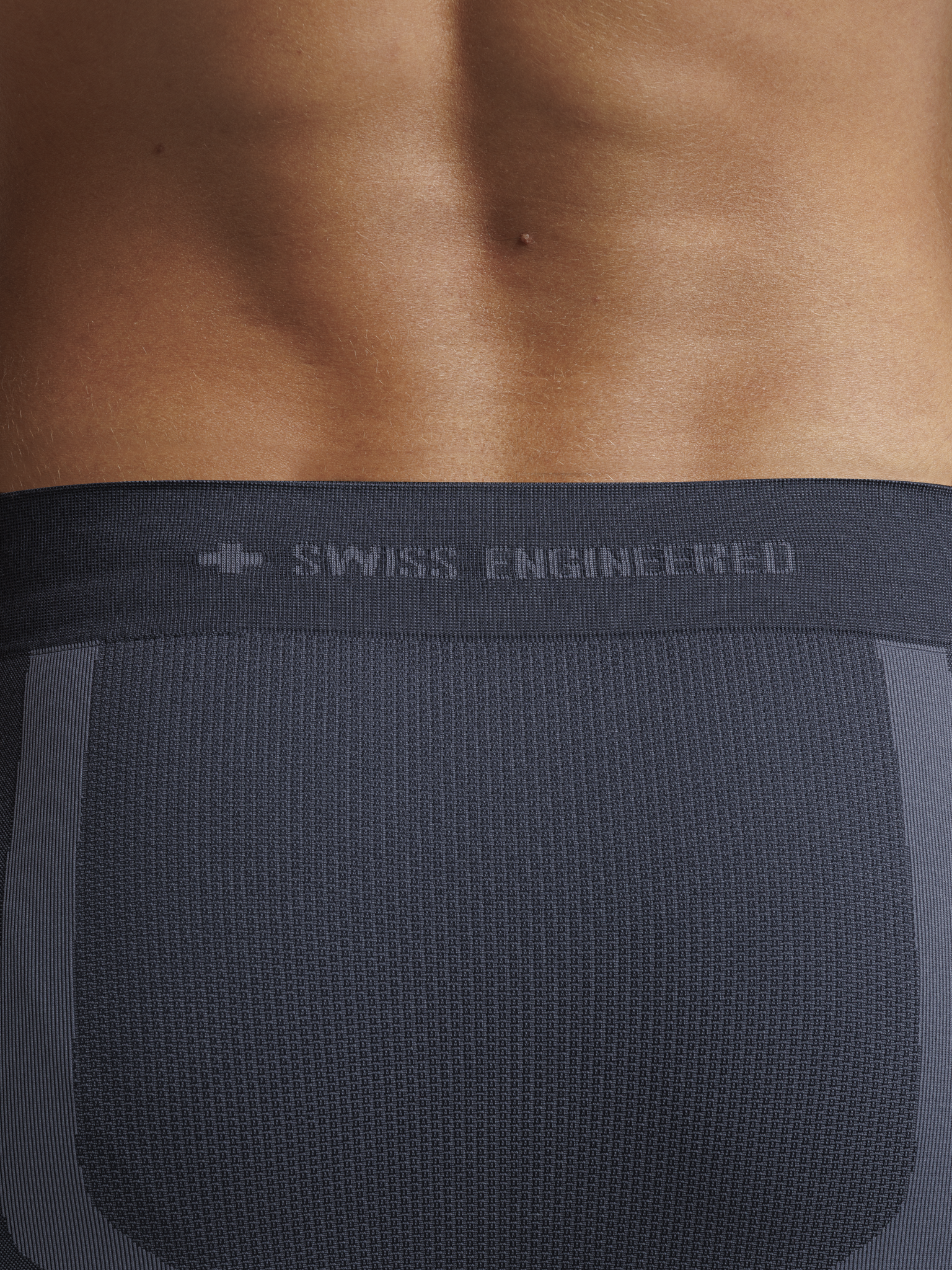
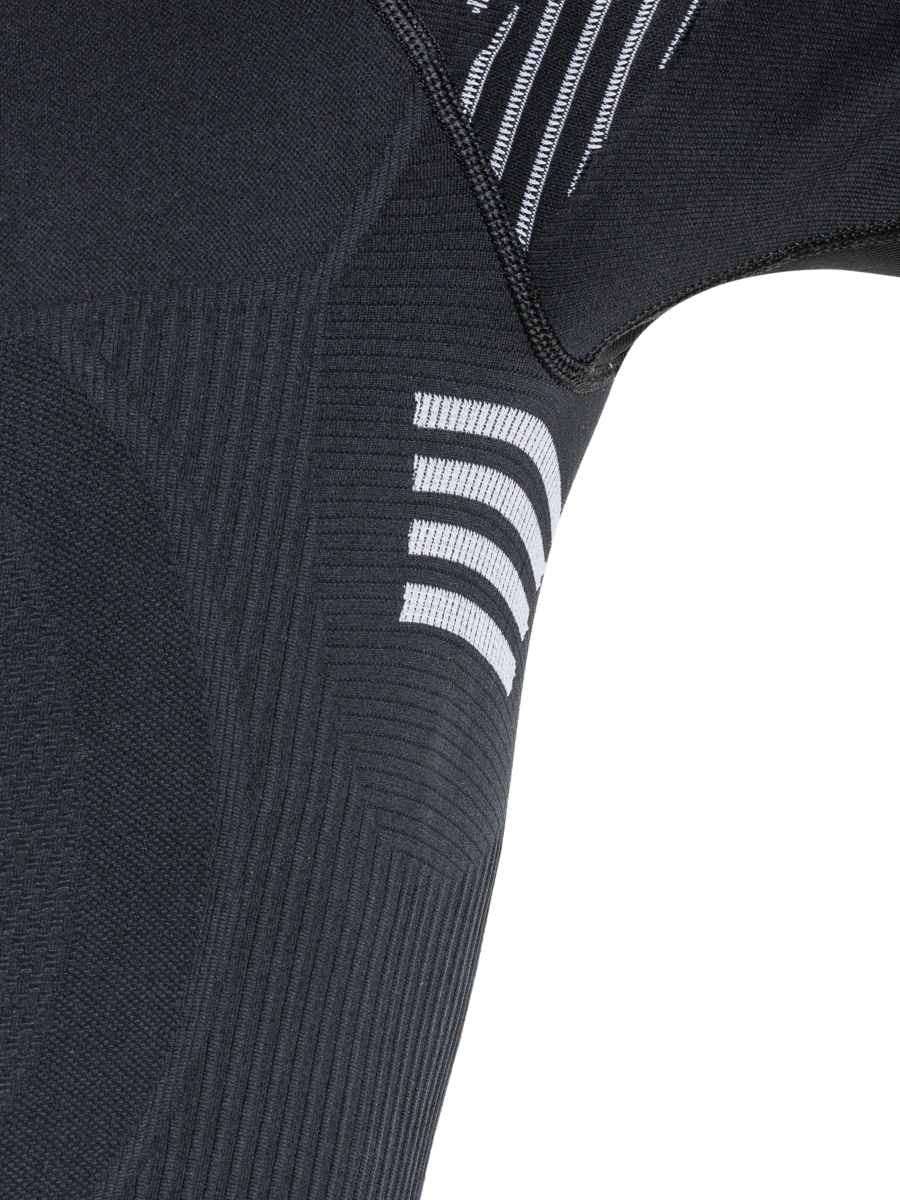
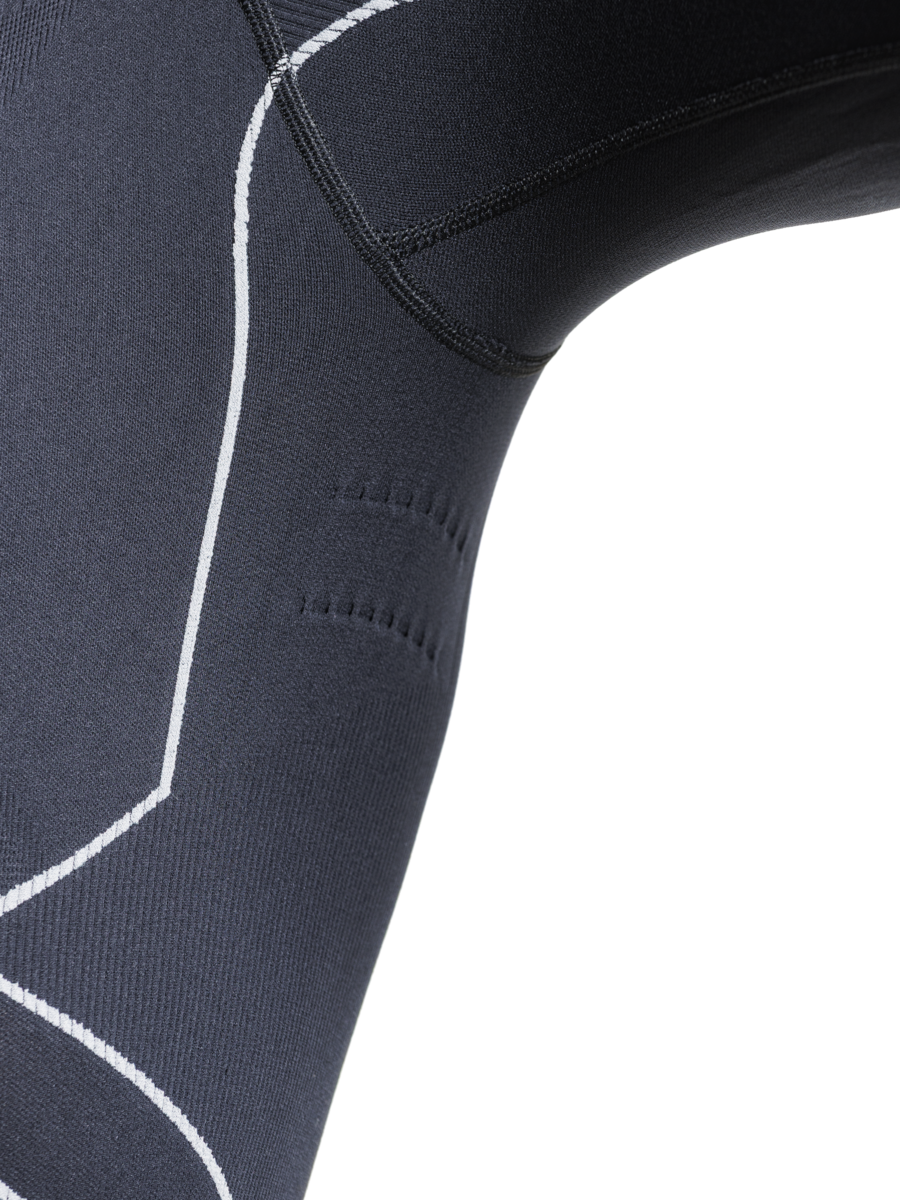
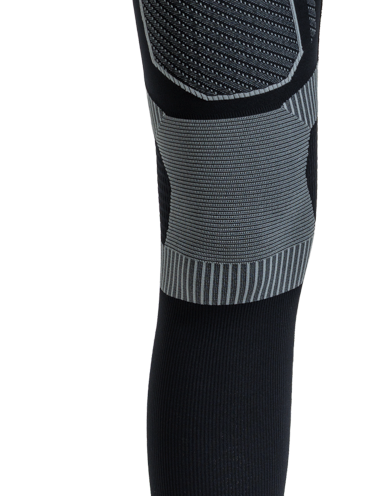
Flatlock seam construction prevents chafing during long days on the trail. Quality base layers feature minimal seaming and strategic placement to avoid pressure points where your pack straps and gear make contact.
Consider features like a zippered chest pocket for small essentials or thumb loops for hand coverage. A base layer top with a quarter-zip design allows for ventilation control as conditions change throughout your hike.
Building Your Complete Layering System
Your base layer integrates with your outer layers to create a complete thermal management system. The insulating layer above your base layer traps warm air while allowing moisture to pass through. Your outer shell protects against wind and precipitation while maintaining breathability.
This layering system approach allows you to adjust your comfort level by adding or removing layers as conditions change. Start with a moisture-wicking base layer, add fleece or wool for insulation, and top with a breathable shell for weather protection.
Don't forget your extremities in your layering strategy. Hiking socks should complement your base layer performance, wicking moisture away while providing cushioning and blister protection. Your hiking boots should accommodate the volume of your layering system without creating pressure points.
Frequently Asked Questions
How do I find the best base layer for hiking?
The best base layers match your activity level, climate conditions, and personal preferences. Consider synthetic base layers for high-intensity activities and quick-dry performance. Choose wool layers for multi-day trips where odor control matters. Test different materials and weights to find what keeps you most comfortable during your typical hiking conditions.
What's the difference between thermal underwear and base layers?
Modern base layers offer engineered moisture-wicking performance that classic thermal underwear lacks. While thermal underwear focuses primarily on insulation, technical base layers actively move moisture away from your skin while providing temperature regulation. Base layers use advanced synthetic materials or merino wool designed specifically for athletic performance.
Can I wear a base layer in warm weather?
Lightweight base layers actually help you stay cool in warm conditions by wicking moisture away from your skin and enabling evaporation. This moisture-wicking action creates a cooling effect while protecting your skin from UV exposure and chafing from pack straps. Choose breathable, quick-dry materials for summer hiking.
How tight should my base layer fit?
Your base layer should have a snug fit that feels comfortable to wear without restricting movement. The fabric should lay flat against your skin to maximize moisture transfer efficiency. Avoid loose areas that create air gaps, but ensure the garment doesn't bind or create pressure points during active movement.
Do I need different base layers for different activities?
Your activity level and conditions determine your base layer needs. High-output activities like hiking uphill require maximum moisture-wicking performance. Multi-day backpacking benefits from odor-resistant materials like merino wool. Cold-weather activities need heavier weight options for insulation. Having multiple base layers allows you to optimize your comfort for specific conditions.
How do I care for my hiking base layers?
Proper care maintains the performance properties of your base layers. Wash synthetic materials in cold water with technical detergents that don't leave residue. Wool base layers require gentle cycles and wool-specific cleaners. Avoid fabric softeners that can reduce wicking performance. Air dry when possible to preserve fabric integrity and extend garment life.
Discover our complete collection of engineered base layers designed for mountain athletes who demand proven performance. From lightweight moisture-wicking options to insulating wool systems, find the right foundation for your next adventure.